Choline plays a direct and measurable role in protecting the aging brain. It is a precursor to acetylcholine, the neurotransmitter most responsible for memory, attention, and cognitive processing — and it is the same neurotransmitter that deteriorates most severely in Alzheimer’s disease. Research now shows that moderate dietary choline intake, roughly 332 to 354 milligrams per day, is associated with 17 to 23 percent lower odds of developing dementia and meaningfully better performance on cognitive tests.
In practical terms, a person who consistently eats eggs, liver, and legumes — all high in choline — may be doing more for their long-term brain health than someone who buys expensive supplements but ignores their diet. This article covers what choline actually does inside the brain, what the clinical and population data say about its relationship to cognitive decline, who is most at risk from deficiency, and how to think practically about dietary and supplemental sources. It also addresses the limits of current evidence, including why choline is not a simple cure and why more is not always better.
Table of Contents
- How Does Choline Influence Brain Function and Cognitive Decline?
- What Does the Research Actually Show About Dementia Risk?
- Clinical Trial Evidence — Choline Alphoscerate and MCI
- How Much Choline Do You Actually Need, and Where Does It Come From?
- Who Is Most at Risk from Choline Deficiency?
- The Wider Brain Health Picture
- Where the Research Is Headed
- Conclusion
- Frequently Asked Questions
How Does Choline Influence Brain Function and Cognitive Decline?
Choline supports the brain through two distinct but related pathways. First, the body uses dietary choline to synthesize acetylcholine, the neurotransmitter that carries signals between neurons involved in memory formation, sustained attention, and processing speed. When choline levels in the blood fall, acetylcholine production drops with them — and low circulating acetylcholine is one of the defining biochemical features of Alzheimer’s disease pathology. This is not a new observation, but recent cohort and clinical research has sharpened just how consequential that drop appears to be. Second, choline is essential for the synthesis of phospholipids, particularly phosphatidylcholine and sphingomyelin, which form the structural backbone of neuronal cell membranes.
Neurons rely on intact membranes to transmit signals efficiently; when membrane integrity degrades, so does the speed and reliability of neural communication. Research has linked both total choline and phosphatidylcholine specifically to better cognitive test performance in frontal and temporal lobe tasks — the brain regions most associated with executive function and language. Think of it this way: if acetylcholine is the message, membrane phospholipids are the infrastructure the message travels through. A 2023 study from Arizona State University reinforced the Alzheimer’s connection directly, finding that low blood choline levels are associated with Alzheimer’s disease progression. When that finding is placed alongside cohort data showing that intake around 350 mg per day corresponds to the lowest risk of clinical Alzheimer’s dementia diagnosis in older adults, a coherent picture begins to emerge — though it is not yet a complete one.

What Does the Research Actually Show About Dementia Risk?
The most compelling population-level evidence comes from a 22-year prospective study conducted through the China Health and Nutrition Survey, published in MDPI Nutrients in 2024. Following middle-aged and elderly adults over more than two decades, researchers found that dietary choline intake was consistently associated with better cognitive function and delayed cognitive decline. Studies of this length are rare in nutritional research and lend considerable weight to conclusions that shorter studies can only suggest. A separate analysis published in ScienceDirect in 2024 found that total choline intake between 187 and 400 milligrams per day was associated with roughly a 50 percent reduction in the risk of low cognitive function compared to intakes below 187.6 milligrams per day. Moderate intake was also linked to 8 to 13 percent lower odds of poor performance on tests of visual attention, fluid intelligence, and complex processing speed. These are not trivial differences.
For reference, a large egg contains roughly 147 milligrams of choline, meaning a diet that includes two eggs daily, alongside other choline-containing foods, can realistically approach that protective range. However, the research has important limits. These are observational associations, not controlled interventions. People who eat more choline-rich foods may differ in other ways — they may have healthier diets overall, higher incomes, or more active lifestyles. More randomized clinical trials are needed before definitive prevention guidelines can be written. The current evidence is strongly suggestive, but translating population-level associations into individual clinical recommendations requires more controlled evidence than we currently have.
Clinical Trial Evidence — Choline Alphoscerate and MCI
The most specific clinical evidence for choline’s neuroprotective potential comes from research on choline alphoscerate, a compound that delivers choline to the brain more efficiently than dietary sources alone. A study published in Frontiers in Aging Neuroscience in 2025 followed 100 patients with mild cognitive impairment over three years. In the treated group, only 12.2 percent showed progression of cognitive deficits, compared to 39.1 percent in the untreated group. The Alzheimer’s conversion rate was 8.2 percent in the treated group versus 26.1 percent among those who received no treatment. A multicenter randomized controlled trial conducted in South Korea added further clinical support, finding that choline alphoscerate reduced cognitive decline scores by 2.34 points over 12 weeks compared to placebo.
That may sound modest, but in a 12-week window, it represents a measurable slowing of decline that patients and caregivers would likely notice in day-to-day function. These results are encouraging, but they come with an important contextual note. Choline alphoscerate is a pharmaceutical-grade compound, not something obtained through food or standard supplements. Its bioavailability and mechanism differ from dietary choline. Applying these clinical findings to everyday dietary choices requires caution. What the data does confirm is that the choline-acetylcholine pathway is a legitimate and responsive target for intervention — even in people who already show signs of cognitive impairment.

How Much Choline Do You Actually Need, and Where Does It Come From?
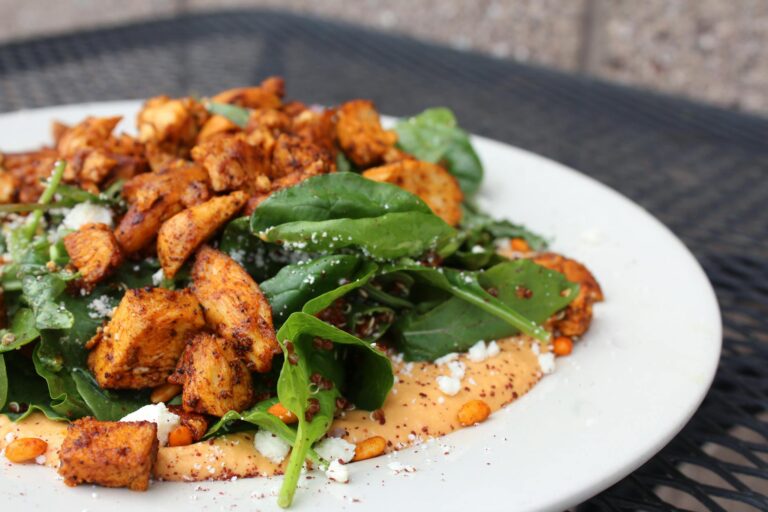
The officially recommended daily intake of choline is 425 milligrams for women and 550 milligrams for men. Interestingly, the research literature suggests a somewhat lower intake — around 350 milligrams per day — may represent the cognitive sweet spot, with the most favorable dementia-related outcomes clustering around that range. This does not mean the official recommendations are wrong; the recommendations account for a range of physiological needs, not just cognitive protection. In practice, the gap between what people consume and what they need is significant. Approximately 90 percent of Americans do not meet recommended choline intake levels. The best dietary sources are foods that many people eat infrequently: beef liver (356 milligrams per three-ounce serving), eggs (147 milligrams per large egg), salmon, shiitake mushrooms, soybeans, and kidney beans.
Someone who avoids eggs due to cardiovascular concerns, follows a plant-based diet, or simply does not eat organ meats faces a real challenge meeting even modest choline targets through food alone. In those cases, supplemental choline — typically in the form of choline bitartrate, CDP-choline, or alpha-GPC — becomes worth discussing with a physician. The tradeoff between food and supplement sources is not just about dosage. Food sources deliver choline alongside other nutrients — B vitamins, omega-3 fatty acids, protein — that may work synergistically for cognitive health. Isolated supplements deliver the compound efficiently but without that broader nutritional context. Neither approach is categorically superior; the right choice depends on an individual’s diet, health history, and risk profile.
Who Is Most at Risk from Choline Deficiency?
The most obvious risk group is older adults, who both eat less overall and often absorb nutrients less efficiently. But emerging 2025 research from ScienceDaily has flagged a surprising secondary population: young adults with obesity. Researchers found that this group shows low blood choline levels alongside early markers of brain cell injury — suggesting that choline-related cognitive risk may begin decades earlier than previously assumed. This is a meaningful shift in how the field thinks about prevention; if choline deficiency is already damaging neural tissue in people in their 20s and 30s, late-life supplementation may be starting too late. Pregnant women represent another high-risk group, though for different reasons.
Choline requirements increase substantially during pregnancy, as the developing fetal brain has high demands for choline in its own cellular architecture. Deficiency during this period may have downstream effects on the child’s cognitive development that persist into adulthood — a different dimension of the same problem. A critical warning applies here: people who supplement aggressively in the belief that more choline is always better should know that the data does not support that assumption. Research has identified a U-shaped relationship between choline intake and cognitive outcomes. Very high intakes do not confer additional benefit and may carry risks, including elevated trimethylamine N-oxide (TMAO) levels, a compound associated with cardiovascular disease. The goal is adequacy, not maximization.
The Wider Brain Health Picture
Choline does not operate in isolation, and it would be a mistake to treat it as a standalone solution to the problem of cognitive aging. The acetylcholine system that choline supports interacts continuously with other neurotransmitter systems — dopaminergic, serotonergic, glutamatergic — and with systemic factors like inflammation, vascular health, and sleep. A person who gets adequate choline but sleeps four hours a night and eats a diet otherwise high in ultra-processed food is not giving their brain what it needs.
Conversely, someone who exercises regularly, manages blood pressure, and maintains a diet rich in whole foods is already doing much of what supports acetylcholine function, even if they are not thinking explicitly about choline. The value of focusing on choline specifically is that it is measurable, achievable through ordinary food choices, and backed by a growing body of research that extends from basic biochemistry through long-term population studies to clinical trials. It gives people a concrete lever to pull — something more specific than the well-intentioned but vague advice to eat a healthy diet.
Where the Research Is Headed
The field is moving toward more targeted clinical trials. Given the strong observational data linking choline to dementia risk reduction, and the early but promising results from choline alphoscerate studies in MCI patients, there is now enough scientific foundation to justify larger, longer randomized trials. The question researchers are working toward answering is not whether choline matters — the evidence for that is already substantial — but whether choline intervention at specific life stages, in specific populations, can meaningfully delay or prevent Alzheimer’s diagnosis at a clinical level.
The 2025 finding about young adults with obesity and early brain injury markers may reshape future research priorities. If choline deficiency is already producing measurable harm in younger populations, intervention strategies may need to begin far earlier in life than current prevention frameworks anticipate. That would represent a significant shift in how dementia prevention is approached — not as a concern that begins at 65, but as a lifelong nutritional priority.
Conclusion
Choline is not a cure for dementia, and no single nutrient is. But the evidence for its role in protecting cognitive function — spanning mechanisms at the cellular level, long-term population cohorts, and clinical trials in people with mild cognitive impairment — is substantial enough to take seriously. Moderate dietary choline intake, in the range of 350 milligrams per day, is associated with meaningfully lower dementia risk and better performance on cognitive tests across multiple domains.
Given that nine in ten Americans fall short of recommended intake, this is not an abstract concern. For anyone caring for a family member with dementia, or concerned about their own cognitive trajectory, the practical steps are accessible: eat eggs, include legumes and fish in the diet, consider discussing supplementation with a physician if dietary sources are inadequate, and approach very high supplementation with the same caution as any intervention that follows a U-shaped dose-response curve. The research base will continue to strengthen, but the foundation for action already exists.
Frequently Asked Questions
Is choline the same as a B vitamin?
Choline is often grouped with B vitamins due to its similar metabolic roles, but it is technically classified as an essential nutrient rather than a true B vitamin. It shares functional overlap with folate and B12, particularly in methylation processes, but operates through distinct pathways.
Can you get enough choline on a vegan or plant-based diet?
It is more difficult but not impossible. Plant-based sources include soybeans, kidney beans, quinoa, shiitake mushrooms, and peanuts. However, the richest sources — eggs, liver, salmon — are animal products. People following strict plant-based diets should monitor intake carefully and may benefit from supplementation.
What form of choline supplement is most effective for brain health?
Alpha-GPC and CDP-choline (citicoline) are generally considered the most bioavailable forms for brain-specific benefit, as they cross the blood-brain barrier more effectively than choline bitartrate. Choline alphoscerate (a form of alpha-GPC) is the compound studied in the clinical trials cited in this article.
At what age should I start thinking about choline intake?
The traditional answer has been middle age onward, but 2025 research found early brain injury markers in young adults with obesity who had low choline levels. A reasonable precautionary approach is to ensure adequate intake throughout adulthood, not just in later years.
Does cooking destroy choline in food?
Choline is relatively heat-stable compared to some vitamins. Cooking methods like boiling can cause some loss through leaching into water, but sautéing, scrambling, or baking eggs retains most of the choline content. In practice, cooking-related losses are not large enough to undermine the value of choline-rich foods.
Should someone with dementia take choline supplements?
This is a conversation for a physician or neurologist. The clinical evidence discussed here — particularly the choline alphoscerate trials — involved pharmaceutical-grade compounds in supervised clinical settings. Over-the-counter supplementation in someone already diagnosed with dementia should be evaluated in the context of their full medication and health picture.