Antioxidants play a direct and measurable role in slowing brain aging by neutralizing reactive oxygen species — the unstable molecules that accumulate with age and damage neurons, proteins, and DNA. The brain is disproportionately vulnerable to this kind of oxidative damage: though it accounts for roughly 2% of body weight, it consumes approximately 20% of the body’s oxygen supply. That metabolic intensity makes it a prime target for oxidative stress, and as the brain’s own antioxidant defenses weaken with age, the imbalance compounds. Research published in Oxford’s Brain Communications (2024) confirms that this oxidative burden is not incidental to brain aging — it is one of its primary drivers.
The clinical evidence behind antioxidant intervention has moved well beyond theory. A 12-month trial involving 100 participants with a mean age of 65.2 found that antioxidant supplementation raised Mini-Mental State Examination (MMSE) scores from 24.1 to 26.8 and Montreal Cognitive Assessment (MoCA) scores from 21.5 to 24.9 — statistically significant gains in real-world cognitive function. These are not small, ambiguous shifts. They represent a meaningful difference in a person’s ability to recall, reason, and process information. This article examines which antioxidants carry the strongest evidence, how they work in the brain, what the limits of current research are, and what practical steps may be worth considering.
Table of Contents
- Why Is the Brain So Vulnerable to Oxidative Damage, and What Do Antioxidants Actually Do?
- Which Specific Antioxidants Have the Strongest Evidence for Brain Protection?
- How Do Antioxidants Interact With Neuroinflammation and Brain Cell Survival?
- What Are the Practical Dietary Sources of Brain-Protective Antioxidants?
- What Are the Limits of Current Antioxidant Research, and What Can Go Wrong?
- What Does Emerging Research Suggest About Next-Generation Antioxidant Approaches?
- How Might Antioxidant Strategies Fit Into the Broader Picture of Dementia Prevention?
- Conclusion
- Frequently Asked Questions
Why Is the Brain So Vulnerable to Oxidative Damage, and What Do Antioxidants Actually Do?
Oxidative stress is not a vague concept — it describes a specific biochemical imbalance in which reactive oxygen species (ROS) outpace the body’s ability to neutralize them. ROS are a normal byproduct of cellular metabolism, and under healthy conditions the brain manages them through its own enzymatic defenses. The problem is that this capacity declines with age. As antioxidant enzyme activity drops, ROS accumulate and begin degrading the lipid membranes of neurons, fragmenting DNA, and disrupting mitochondrial function. Over time, this contributes to the kind of structural neuronal damage associated with cognitive decline and neurodegenerative disease. Antioxidants counter this process by donating electrons to ROS molecules, stabilizing them before they cause cellular harm. Some antioxidants work directly — vitamin C, for instance, neutralizes free radicals in the aqueous environment of cells, while vitamin E operates in fatty, lipid-rich cell membranes.
Others work indirectly by activating the brain’s own protective pathways or reducing neuroinflammation. The distinction matters because no single antioxidant covers every mechanism. A person relying only on vitamin E supplementation, for example, would be addressing only one aspect of a multi-pathway problem. The population-level data underscores why this matters at scale. The World Health Organization estimated 46.8 million global dementia cases as of 2015, with projections reaching 131.5 million by 2050. Consistently across population studies, including NHANES data analyzed through 2024, individuals with higher total antioxidant capacity show measurably lower rates of cognitive impairment. Lower antioxidant levels are a recurring feature in both cognitively impaired individuals and frail older adults compared to healthy controls.

Which Specific Antioxidants Have the Strongest Evidence for Brain Protection?
Not all antioxidants are equally supported by clinical research, and it is worth distinguishing between those with robust trial data and those that remain promising but preliminary. Curcumin, the active compound in turmeric, stands out in randomized double-blind trials that have shown reductions in amyloid-beta (Aβ) plaques — one of the hallmarks of Alzheimer’s pathology — alongside measurable improvements in cognition in patients with mild-to-moderate Alzheimer’s disease. Ginkgo biloba, specifically its ginkgolide compounds, has shown cognitive improvements in early-stage Alzheimer’s and may slow progression, though benefits appear most pronounced when initiated early. Hydroxytyrosol and resveratrol, both found in the Mediterranean diet, have been shown in a 2022 MDPI study to delay cognitive brain aging and reduce oxidative burden. Flavonoids — found in berries, dark chocolate, green tea, and citrus — operate through several distinct mechanisms simultaneously: they regulate neurotransmission, support neurogenesis, improve synaptic plasticity, and promote neuronal survival.
Ergothioneine, a lesser-known compound found in mushrooms, has shown links between daily supplementation and improvements in both memory and attention in clinical settings. However, a critical limitation applies across this field: most trials are relatively short in duration, conducted in specific populations, and often use supplemental doses that do not correspond directly to what a person could reasonably obtain through diet alone. Curcumin, for example, has notoriously poor bioavailability in standard form — the body absorbs very little of it unless formulated with piperine or in liposomal preparations. The trial results for curcumin reflect these enhanced formulations, not a standard turmeric capsule from a pharmacy shelf. Conflating supplement marketing with clinical trial conditions is one of the most common errors people make when evaluating antioxidant research.
How Do Antioxidants Interact With Neuroinflammation and Brain Cell Survival?
Oxidative stress and neuroinflammation are not separate problems — they are mutually reinforcing. When ROS damage neurons, this triggers an immune response in the brain, activating microglia (the brain’s resident immune cells) and driving the release of pro-inflammatory cytokines. That inflammatory cascade then generates more oxidative stress, creating a cycle that accelerates neurodegeneration. Antioxidants interrupt this loop at multiple points, which helps explain why certain compounds show neuroprotective effects beyond simple free radical scavenging. Flavonoids are a useful illustration. Research reviewed in a 2025 Frontiers in Pharmacology paper confirms that polyphenols — the broader class that includes flavonoids — modulate neuroinflammatory pathways alongside their antioxidant effects.
Specific flavonoids like quercetin and luteolin have been shown to inhibit the activation of NF-κB, a transcription factor that drives inflammatory gene expression in the brain. By dampening this response, they may reduce the long-term neuronal attrition that contributes to diseases like Alzheimer’s and Parkinson’s. Neurogenesis — the process by which new neurons form, primarily in the hippocampus — is also influenced by oxidative stress. Elevated ROS suppress the proliferation and survival of newborn neurons, a finding with direct implications for memory and learning. Antioxidants that cross the blood-brain barrier effectively, such as certain flavonoids and resveratrol, may support hippocampal neurogenesis not only by reducing oxidative damage but by upregulating growth factors like BDNF (brain-derived neurotrophic factor). This is an area of active research with growing mechanistic support, though long-term human trial data remains limited.
What Are the Practical Dietary Sources of Brain-Protective Antioxidants?
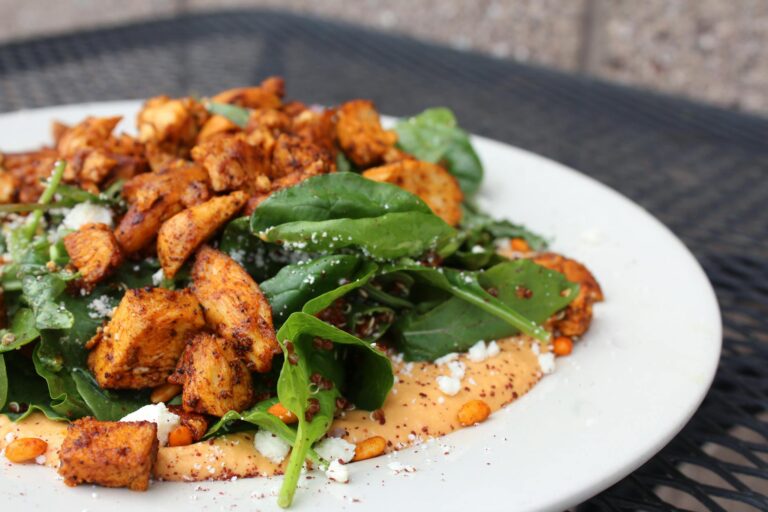
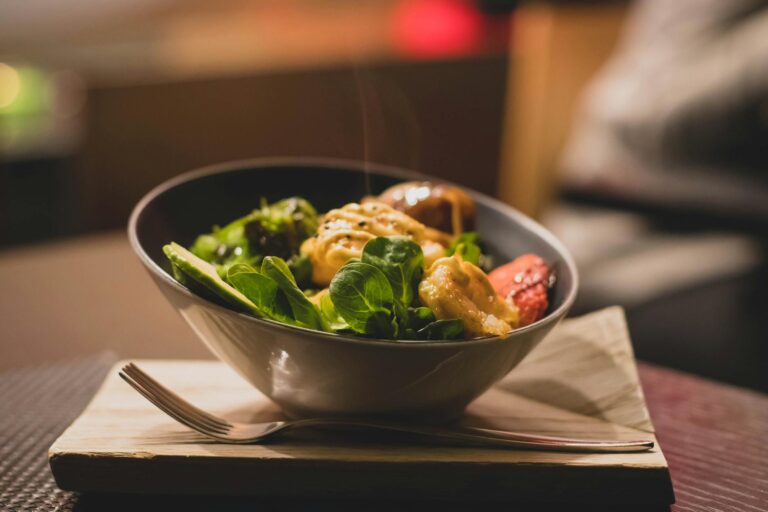
For most people, the most sustainable and evidence-informed strategy for increasing antioxidant intake is dietary rather than supplemental. Diets rich in vitamin C, vitamin E, and carotenoids are positively associated with cognitive efficiency and reduced dementia risk across multiple large studies. The Mediterranean dietary pattern consistently outperforms Western diets in cognitive aging research, and its antioxidant density — olive oil, leafy greens, berries, nuts, fish, legumes — is considered a primary mechanism behind that advantage. Specific food sources worth prioritizing based on their antioxidant content and brain health evidence include: blueberries and other dark berries (flavonoids), extra-virgin olive oil (hydroxytyrosol and oleuropein), turmeric used in cooking (curcumin, especially combined with black pepper), green tea (EGCG, a potent catechin), mushrooms particularly lion’s mane and shiitake (ergothioneine), and walnuts (vitamin E and polyphenols). For people who struggle to maintain dietary variety or have documented deficiencies, supplementation of specific compounds may be reasonable — but the dose-response relationships established in clinical trials are not always achievable through over-the-counter products.
The tradeoff between food sources and supplements is worth understanding clearly. Whole foods deliver antioxidants within a matrix of fiber, other phytonutrients, and co-factors that often enhance absorption and activity. Isolated supplements may deliver higher concentrations of a single compound but miss this synergistic context and introduce questions about bioavailability and formulation quality. A person taking a generic resveratrol capsule, for example, will absorb a fraction of the dose compared to what has been used in trial conditions. Where supplements are considered, pharmaceutical-grade formulations or those tested for bioavailability are meaningfully different from standard retail options.
What Are the Limits of Current Antioxidant Research, and What Can Go Wrong?
The enthusiasm surrounding antioxidant research has outpaced clinical certainty in some areas, and it is important to acknowledge where the evidence has gaps or has failed to hold up. Several large-scale trials of antioxidant supplementation for general health and cancer prevention — including the ATBC trial with beta-carotene and the SELECT trial with vitamin E and selenium — not only failed to show benefit but found harm in certain populations. High-dose supplemental beta-carotene, for instance, increased lung cancer risk in smokers. These findings are a reminder that antioxidant molecules operate within complex biological systems, and saturating those systems with high doses of isolated compounds does not simply amplify the benefits of dietary intake. For brain-specific outcomes, the picture is more nuanced but still evolving. Many of the positive trial results for compounds like curcumin and ginkgo biloba come from smaller studies, often with selected populations and short follow-up periods.
Larger, longer randomized controlled trials have produced more mixed results. The GuidAge trial, one of the largest ginkgo biloba studies conducted, found no significant reduction in Alzheimer’s incidence over five years in a general elderly population. This does not invalidate the compound’s potential, but it illustrates the gap between mechanistic promise and clinically confirmed, scalable prevention. A further limitation is that cognitive assessments like the MMSE and MoCA, while validated and widely used, measure only a subset of cognitive functions. Improvements on these scales do not automatically translate to preserved independence, better quality of life, or slowed dementia progression over the long term. Researchers and clinicians increasingly call for trials with longer follow-up periods and harder endpoints — such as conversion from mild cognitive impairment to diagnosed dementia — rather than relying solely on score changes over 12-month windows. Anyone evaluating antioxidant interventions for a family member or themselves should keep this context in mind.

What Does Emerging Research Suggest About Next-Generation Antioxidant Approaches?
Beyond dietary polyphenols and vitamins, a new generation of antioxidant compounds is being studied for their potential to target oxidative stress more precisely within the brain. Mitochondria are a central focus: because mitochondria are both the primary site of ROS production and essential for neuronal energy supply, compounds that protect mitochondrial function are considered high-priority targets. MitoQ, a mitochondria-targeted antioxidant that accumulates specifically within the mitochondrial membrane, has shown early promise in animal models for reducing neurodegenerative pathology, though human trial data remains limited.
Selegiline, a monoamine oxidase inhibitor used in Parkinson’s treatment, also has antioxidant properties and has been studied for its effects on brain aging. A 2026 study published in Biogerontology (Springer) examined combined antioxidant treatments and found that multi-compound approaches can mitigate aging-related oxidative stress and molecular alterations in brain tissue more effectively than single-compound interventions — a finding that supports the concept of combination therapy rather than the search for a single “best” antioxidant. The modulation of mitochondrial biogenesis, the process by which cells generate new mitochondria, is emerging as a related and potentially significant target in this field.
How Might Antioxidant Strategies Fit Into the Broader Picture of Dementia Prevention?
Antioxidant intervention is most convincingly understood as one component of a broader preventive framework rather than a standalone solution. Cognitive aging is influenced by vascular health, sleep quality, physical activity, social engagement, chronic stress, and metabolic factors like blood glucose regulation — all of which interact with oxidative stress in complex ways. Regular aerobic exercise, for example, upregulates the brain’s endogenous antioxidant enzyme systems and promotes BDNF expression, making it a potent “antioxidant” strategy in its own right.
The most defensible current position is that diets rich in diverse, plant-based antioxidants — consumed consistently over decades — are associated with meaningfully better cognitive aging outcomes, and that this effect is plausibly explained by the mechanisms described above. Whether antioxidant supplementation can replicate or extend these benefits for people who do not eat such diets, or for those who are already showing cognitive decline, is a more open question that research is actively working to resolve. The urgency is real: with over 130 million projected dementia cases by 2050, the cost of inaction is measured in millions of lives.
Conclusion
Antioxidants protect the aging brain by neutralizing reactive oxygen species that accumulate as the brain’s own defenses decline, interrupting the cycle of oxidative damage and neuroinflammation that drives cognitive deterioration. The evidence base includes clinical trial data showing measurable cognitive improvements, population studies linking higher antioxidant capacity to lower rates of impairment, and mechanistic research identifying specific compounds — curcumin, flavonoids, hydroxytyrosol, resveratrol, ergothioneine, and others — that work through distinct and complementary pathways. The strongest foundation remains dietary: consistent consumption of Mediterranean-style food patterns provides a broad, synergistic antioxidant profile that supplements struggle to fully replicate.
At the same time, the field has real limitations. High-dose isolated supplementation has not always borne out its promise in large trials, bioavailability varies significantly by formulation, and many of the most compelling findings come from shorter-term studies that leave long-term questions open. For individuals concerned about cognitive aging, the most evidence-aligned steps are building an antioxidant-rich diet as a sustained habit, discussing targeted supplementation with a physician where appropriate, and treating antioxidant strategies as part of a broader approach to brain health rather than a singular fix.
Frequently Asked Questions
Can taking antioxidant supplements prevent Alzheimer’s disease?
No supplement has been proven to prevent Alzheimer’s disease. Some compounds, particularly curcumin and ginkgo biloba, have shown benefits in early or mild-to-moderate stages in certain trials, but large-scale prevention trials have produced mixed results. Dietary antioxidant intake is more consistently associated with reduced risk than supplementation.
What foods have the highest antioxidant content for brain health?
Blueberries, dark leafy greens, extra-virgin olive oil, walnuts, green tea, and mushrooms are among the most evidence-supported sources. These provide flavonoids, hydroxytyrosol, vitamin E, ergothioneine, and other compounds with demonstrated neuroprotective properties.
Is it safe to take multiple antioxidant supplements together?
Not necessarily. High doses of individual antioxidants can be harmful — beta-carotene supplementation, for example, increased cancer risk in smokers in large trials. Combination approaches are being studied, but should be discussed with a physician rather than self-directed, particularly at high doses.
At what age should someone start paying attention to antioxidants for brain health?
Oxidative stress begins accumulating well before symptoms of cognitive decline appear. Research suggests that dietary patterns established in midlife — and sustained — have the greatest impact on late-life cognition. There is no single “right age,” but earlier, consistent dietary habits carry more weight than late-life supplementation.
How do flavonoids specifically protect the brain?
Flavonoids work through several mechanisms simultaneously: they regulate neurotransmission, support the formation of new neurons (neurogenesis), improve synaptic plasticity, reduce neuroinflammation by inhibiting inflammatory signaling pathways, and promote neuronal survival. This multi-pathway action makes them among the more broadly effective antioxidant compounds studied in brain health research.