The connection between the Iran War and Houthi attacks on commercial ships is direct and operational: Iran’s Revolutionary Guards provide military command, weapons, targeting intelligence, and strategic direction for Houthi assault operations in the Red Sea. Since November 2023, the Iranian-backed Houthi militia has launched over 100 attacks against merchant vessels and warships, deliberately targeting global commerce moving through one of the world’s most critical shipping chokepoints. This isn’t merely a proxy relationship—it’s active command and control, with IRGC officers stationed in Yemen directly overseeing operations.
The escalation reflects Iran’s broader conflict with the United States and Israel, with the Houthis serving as an extended arm of Iranian military strategy against Western interests. The article ahead explains how this command relationship works, the scale of attacks and their economic impact, the recent strategic pause in operations, and what intelligence agencies believe Iran is positioning the Houthis to do next. Understanding this connection is essential for grasping how regional warfare reaches across oceans to affect global supply chains and economic stability.
Table of Contents
- How Does Iran Maintain Direct Control Over Houthi Shipping Attacks?
- The Attack Timeline and Current Strategic Pause
- The Economic and Maritime Impact on Global Commerce
- Iran’s Strategic Leverage Theory and the Pause in Operations
- Evidence of Direct Iranian Command and Weapons Supply
- The Weapons and Capabilities Behind Red Sea Attacks
- Future Outlook and Strategic Implications of Iranian Support
- Conclusion
How Does Iran Maintain Direct Control Over Houthi Shipping Attacks?
Iran does not sponsor the houthis from a distance. Iranian Revolutionary Guards (IRGC) commanders and military advisors maintain a physical presence in Yemen, where they actively oversee and direct Houthi attack operations against commercial shipping. According to The National’s analysis of 2026 intelligence, IRGC officers are embedded within Houthi operational structures, providing real-time command authority over the Red Sea assault campaign. This arrangement means that major Houthi military decisions—which ships to target, when to attack, and how to coordinate operations—flow through Iranian military chains of command.
The weapons and intelligence feeding these operations also come directly from Iran. The houthis rely on Iranian-supplied weaponry and targeting information to execute attacks on vessels transiting the Red Sea and Bab al-Mandab strait. Long-range Houthi capabilities depend on smuggling routes that flow from the Horn of Africa, with Iran orchestrating both the supply pipelines and the intelligence needed to identify and strike commercial targets. A comparison illustrates the depth of this support: while the Houthis operate the weapons, Iran operates the strategy. Without Iranian command authority and resupply, the Houthis would lack both the operational sophistication and the sustained capability to wage a campaign that has disrupted one-fifth of global maritime commerce.

The Attack Timeline and Current Strategic Pause
Houthi attacks on commercial shipping began in October 2023 but accelerated substantially through 2024. Over 100 verified attacks occurred between November 2023 and December 2024, targeting everything from cargo ships to container vessels to warships. The campaign was aggressive and coordinated—classic indicators of external command structure rather than spontaneous militia activity. However, the assault campaign paused in early 2025 following the Gaza ceasefire agreement that took effect on October 10, 2025. Intelligence agencies noted a dramatic reduction in attack frequency, and since September 2025, there have been no recorded Houthi incidents against commercial shipping.
This pause is significant precisely because it appears strategic rather than operational. If the Houthis were acting independently, a pause would suggest either resource constraints or tactical reassessment. Instead, evidence points to iranian control—specifically, Iran deliberately holding back Houthi attack capability as strategic leverage. On February 28, 2026, senior Houthi politburo member Mohammed al-Bukhaiti threatened to resume attacks in response to US-Israeli military action against Iran, signaling that the pause itself is a controlled political decision, not an absence of capability. The warning stated that the Houthis would target vessels belonging to “aggressor countries” and would consider implementing a naval blockade of critical shipping lanes. This threat only makes sense if someone with authority—Iran—has been restraining the Houthis while keeping that military capability in reserve.
The Economic and Maritime Impact on Global Commerce
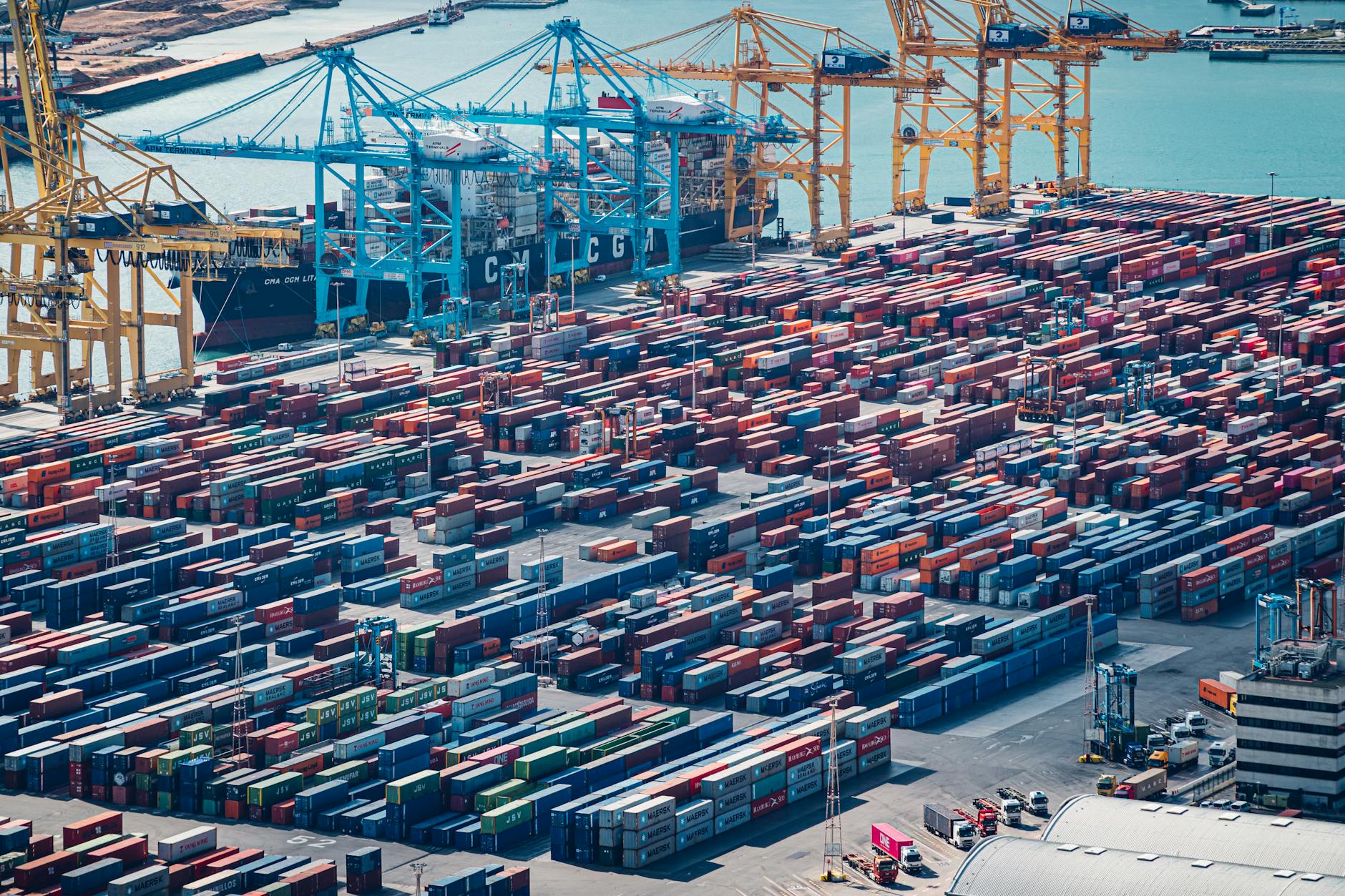
The Houthi campaign created extraordinary disruption to global shipping despite attacking only a fraction of vessels transiting the region. As ships faced sustained missile and drone assaults, many opted for longer, safer routes around the Cape of Good Hope instead of the 6,000-mile shortcut through Suez and the Red Sea. This avoidance behavior cascaded into measurable economic consequences. Transit volume through Bab al-Mandab—the narrow strait between Yemen and Djibouti that serves as the gateway to the Suez Canal—hit a record low in June 2025, down 65 percent from June 2023 levels. To put this in perspective: a single year of Houthi operations reduced shipping through this critical chokepoint by nearly two-thirds.
The economic ripple effects touch industries far beyond maritime shipping. Higher shipping costs filter into consumer prices, supply chain delays affect manufacturing, and insurance premiums for vessels transiting the Red Sea increased substantially. Energy markets felt pressure as well, since oil shipments through the region face elevated risk. However, it’s important to note that while the Houthis’ capability to disrupt commerce is genuine, their actual hit rate—the percentage of vessels successfully struck—remained relatively low. The damage comes not from direct hits but from the psychological effect: one successful attack creates the perception that any ship might be next, and that perception alone is enough to redirect trillions of dollars in annual commerce away from the most efficient shipping route on Earth.
Iran’s Strategic Leverage Theory and the Pause in Operations
Intelligence analysts, including the Soufan Center, have developed a coherent theory about why Iran is restraining Houthi attacks despite maintaining full operational capability. The theory rests on a simple strategic principle: Iran is holding Houthi attack capability in reserve as a pressure tool and potential escalation option. By pausing operations for months while keeping weapons and command structure intact, Iran demonstrates both its influence over the Houthis and the magnitude of disruption it could unleash at will. This strategic pause serves multiple Iranian interests. First, it allows Iran to negotiate from a position of strength—implicitly threatening to restart Houthi attacks if adversaries take certain actions.
Second, it reduces international naval presence in the Red Sea, since the perceived threat diminishes when attacks stop. Third, it prevents the Houthis from suffering losses that would degrade their operational capacity. The difference between this controlled pause and a negotiated ceasefire is critical: with a ceasefire, both sides typically accept mutual constraints. With a strategic pause controlled by a single actor (Iran), only the Houthis are constrained, while their capability remains ready for activation. Houthi leader Abdul Malik al-Houthi’s declaration that the group was prepared to enter the Iran war directly signals this readiness—the militia is positioned to escalate operations as Iran’s broader regional conflict intensifies.
Evidence of Direct Iranian Command and Weapons Supply
The evidence that connects Iran’s IRGC to Houthi operations is not circumstantial; it is operational. Multiple intelligence reports from Western agencies and regional analysts document IRGC officers in Yemen, direct military coordination with Houthi command structures, and Iranian weapons systems integrated into Houthi arsenals. The specificity of Houthi targeting—which ships get attacked and when—matches Iranian strategic priorities rather than random Houthi decision-making. For example, early attacks targeted vessels with connections to Israel or the United States, consistent with Iran’s declared enemies, rather than attacking based on cargo type or shipping company. This targeting pattern reveals a guiding hand. The weapons themselves provide physical evidence.
Houthis have deployed anti-ship missiles, drones, and coastal defense systems that did not originate in Yemen’s marketplace. These weapons require training, maintenance, and targeting systems—all provided by Iran. The smuggling routes that bring Iranian weapons into Yemen flow through Oman and the Horn of Africa, routes that require either Iranian logistical coordination or independent trafficking networks sophisticated enough to sustain a maritime supply line. However, if those networks were independent, the Houthis would face unpredictable weapon availability and supply interruptions. The consistency of their operations suggests centralized logistics—meaning Iranian control of the supply chain. This is a limitation worth noting: without direct Iranian supply and logistics, Houthi attacks would become sporadic and eventually cease due to ammunition depletion and equipment degradation.

The Weapons and Capabilities Behind Red Sea Attacks
Houthi attacks have employed missiles, drones, and coastal defense systems that demonstrate technical sophistication beyond what a non-state militia would typically develop independently. Anti-ship missiles fired at commercial vessels require targeting data, navigation systems, and maintenance expertise. Unmanned drones require design, manufacturing, and operational control that suggests either technology transfer from a state actor or direct provision of complete systems. The variety and consistency of weapons employed—multiple missile types, drone variants, and coordinated multi-platform attacks—point to Iranian provisioning rather than locally-fabricated or captured equipment.
A specific example demonstrates this point: the January 2024 attack on the M/V Galaxy Leader reportedly involved both anti-ship missiles and naval commandos, a coordinated operation mixing stand-off weapons and close assault that reflects Iranian military doctrine rather than Houthi organizational traditions. The execution quality and equipment involved in such operations exceeds what armed groups operating from improvised facilities in Yemen could produce. However, one important limitation applies: the Houthis have also captured or repurposed civilian technology and weaponry from earlier conflicts, so not every weapon in their arsenal represents new Iranian supply. The baseline capability—the ships they consistently target and the patterns they maintain—rests on Iranian support, but tactical variations and improvised munitions suggest limited Houthi autonomy in execution.
Future Outlook and Strategic Implications of Iranian Support
As of March 2026, the critical question is whether Iran’s strategic pause will continue or whether the escalating Iran War will trigger Houthi attack resumption. Iran’s new supreme leader has signaled willingness to open “new fronts” in the conflict with the United States and Israel. For Iran, the Houthi militia represents exactly such a front—a proven, equipped, and Iranian-controlled force capable of projecting power across thousands of miles and disrupting global commerce without exposing Iran’s own territory to proportional retaliation. If the Iran War escalates further, the incentive to keep Houthi attacks paused erodes.
The most likely scenario involves Iran using or threatening Houthi attacks as a bargaining tool in broader negotiations or conflicts. If direct Iran-Israel or Iran-US military confrontation intensifies, the Houthis’ capability becomes too valuable to hold in reserve indefinitely. This positions the Red Sea as a potential flashpoint—not primarily because the Houthis want to fight there, but because Iran’s command authority makes the Houthis available as a strategic asset. For global commerce, this means uncertainty will persist: shipping companies and insurers must plan for the possibility that Houthi attacks could resume on short notice, with full Iranian logistical and command support backing the campaign.
Conclusion
The connection between the Iran War and Houthi attacks on commercial shipping is direct, operational, and rooted in active Iranian command authority. Iranian Revolutionary Guards officers in Yemen provide targeting, strategy, and weapons supply to the Houthi militia, making the attacks an extension of Iranian military policy rather than independent Houthi operations. Since November 2023, over 100 attacks have disrupted global maritime commerce and reduced critical shipping lane transits by 65 percent, demonstrating the real-world impact of this command relationship.
Understanding this connection matters because it reveals how regional conflicts propagate into global disruptions. The current strategic pause in Houthi attacks does not mean the capability has disappeared—it means Iran is holding that capability in reserve as a pressure tool in the broader Iran War. As that conflict evolves, so too will the likelihood that Iran deploys its Houthi forces to escalate maritime attacks. Monitoring Iranian decision-making and Houthi threat statements provides early warning of potential disruptions to shipping, energy supplies, and economic stability worldwide.
You Might Also Like
- Why Is the MQ-9 Reaper Drone Playing a Bigger Role in Iran Than in Any Previous War
- Why Is the Iran War Destroying More Targets With Fewer Sorties Than Desert Storm
- Why Is the Iran War Accelerating the Shift Away From Fossil Fuels
For more, see National Institute on Aging.