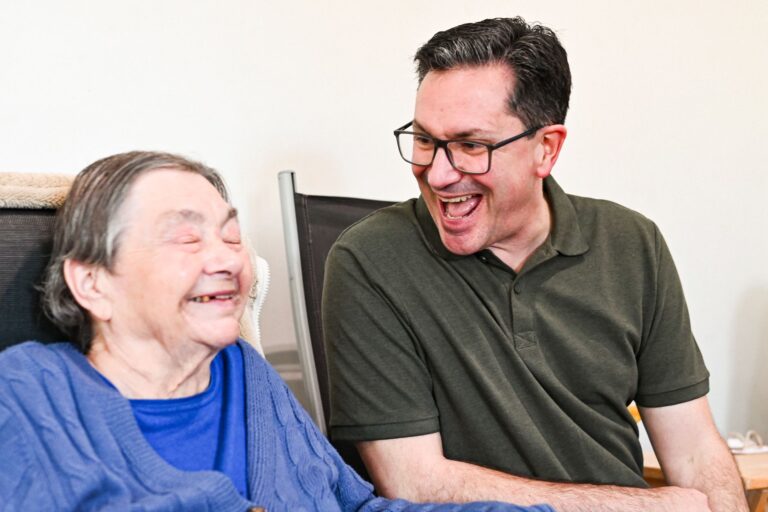
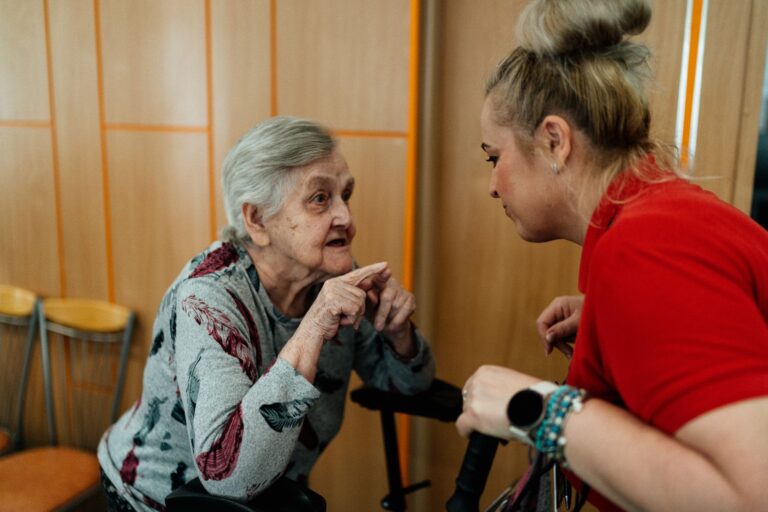
Frontotemporal dementia (FTD) is a group of brain disorders caused by degeneration of the frontal and temporal lobes, which control behavior, speech and language, and it worsens over time. For caregivers, the key difference is that FTD usually begins with personality, behavior or communication changes with memory relatively spared, while Alzheimer disease usually starts after age 65 with short-term memory loss, according to the Banner Health overview Banner Health's FTD guide.
That contrast shapes daily care. Memory aids help early Alzheimer disease, but FTD care centers on behavior, judgment, language and safety. Caregivers often need different rules for communication, routines and medical decisions.
Medical information disclaimer: This article is for general educational purposes only and does not provide medical advice, diagnosis, or treatment. Always consult a physician or other qualified health professional about symptoms, medications, tests, or treatment decisions.
Table of Contents
- How do early signs look different?
- Who tends to get FTD, and when?
- Why do treatments differ?
- What helps caregivers day to day?
How do early signs look different?
Behavioral FTD commonly causes disinhibition, apathy, loss of empathy, poor judgment and compulsive behaviors. A person may act rude, withdraw, make risky choices or repeat actions. Language variants cause progressive difficulty speaking, understanding, finding words or reading, according to Mayo Clinic Mayo Clinic's symptoms page. Alzheimer disease more often starts with short-term memory loss.
The person repeats questions, forgets recent events or loses items. In FTD, memory may seem intact while personality or language shifts first. That pattern can confuse families. Friends may blame stress, midlife change or hearing trouble. Track specific behaviors, language slips and safety lapses for the doctor.
Who tends to get FTD, and when?
FTD accounts for up to 10% of dementias and typically starts at ages 55-65, younger than Alzheimer disease, affecting men and women about equally. Work, parenting and finances may still be active at that stage. An early change can therefore hit jobs, driving and household roles hard. Alzheimer disease is the most common cause of dementia, accounting for an estimated 60-80% of cases.
Most books, classes and tips assume memory-first illness. FTD caregivers may find that advice fits poorly. Ask for FTD-specific guidance early. A specialist team understands younger-onset needs, behavior risks and language support. Peer groups for FTD can also feel more relevant.
Why do treatments differ?
There is no cure for FTD and no treatment slows, stops or prevents it, according to the National Institute on Aging NIA's treatment guidance. Care uses a specialist team to manage symptoms with behavior strategies plus speech, physical and occupational therapy. Goals are safety, communication, movement and daily function. Medicines used to treat or slow Alzheimer disease do not help FTD and some may worsen symptoms.
Selected other medicines plus speech therapy can help manage FTD symptoms. Never start or stop a dementia drug without specialist advice. Bring a full medicine list to visits. Report agitation, sleep change, rigidity, falls, speech loss or eating shifts. Small dose or therapy changes can alter safety fast.
What helps caregivers day to day?
Keep days structured and choices simple. Use short sentences, one step at a time and steady sleep, meal and activity times. Explain changes in plain terms and redirect rather than argue.
Plan for judgment and impulse risks. Limit cash access, review driving, lock tools and medicines, and supervise cooking and walking when needed. For compulsive eating, offer planned portions, store food out of sight and supervise meals. Support groups and respite care reduce distress and improve safety for both caregiver and person with FTD.
- Use a fixed daily routine with written steps.
- Offer two clear choices, not open questions.
- Redirect with an activity instead of correcting.
- Simplify bills, driving and kitchen tasks early.
- Schedule support groups and respite care before burnout.