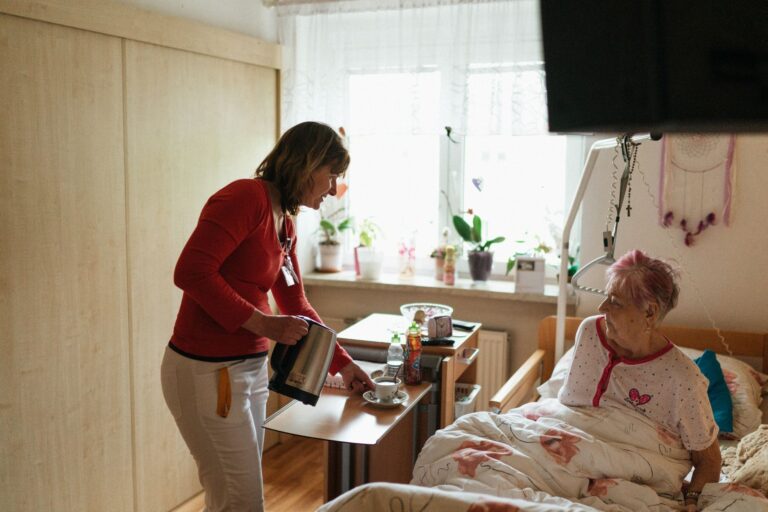
A comprehensive guide to memory loss after a stroke explains why lost blood flow harms memory and what survivors and families can do next. Memory loss after a stroke means trouble understanding, organizing, and storing information after brain cells lose oxygen and nutrients. That damage can affect names, faces, routes, skills, and daily tasks. This guide covers types, frequency, recovery, and practical coping steps for dementia care and brain health readers.
Medical information disclaimer: This article is for general educational purposes only and does not provide medical advice, diagnosis, or treatment. Always consult a physician or other qualified health professional about symptoms, medications, tests, or treatment decisions.
Table of Contents
- Why does stroke harm memory?
- What do memory problems look like?
- How common are thinking changes?
- What supports memory and recovery?
- When should forgetfulness prompt a GP visit?
Why does stroke harm memory?
A stroke interrupts blood supply and deprives brain cells of oxygen and nutrients, which kills nerve cells. That injury impairs how the brain understands, organizes, and stores information, according to the National Institutes of Health in an NIH review of post-stroke memory.
The type of problem depends on the damaged area. VA guidance notes that strokes affecting the right side of the body often impair verbal memory, while strokes affecting the left side often impair visual memory.
What do memory problems look like?
Survivors commonly have trouble with verbal memory for names, stories, and language information. They also struggle with visual memory for faces, shapes, routes, and things seen, according to the American Stroke Association in the Association's memory loss guide.
Informational memory for new skills can suffer too. A survivor may forget a recent conversation, lose a familiar route, or need repeated practice to learn a simple task.
How common are thinking changes?
Cognitive impairment is common during the first year after stroke. More than half of survivors develop it within the first year, and as many as 1 in 3 may develop dementia within five years, according to the American Heart Association in the Association's 2023 statement on post-stroke cognition.
That risk affects survivors broadly, not only older adults. Families should watch for new confusion, slower learning, and missed appointments.
What supports memory and recovery?
There is no specific medicine that reverses post-stroke memory loss. Care focuses on cognitive rehabilitation, control of vascular risks, and treatment of depression, anxiety, and sleep problems, according to the NHS in the NHS stroke recovery guide.
Memory can improve spontaneously, especially after less severe strokes over weeks to months. Rehabilitation may include retraining, speech therapy, occupational therapy, physical therapy, and increased physical activity.
- Keep fixed routines for meals, medicines, and bedtime.
- Use a calendar, diary, and daily to-do list.
- Do one task at a time with fewer distractions.
- Place memory cues where actions happen.
- Protect rest and build in regular exercise.
When should forgetfulness prompt a GP visit?
Not all forgetfulness comes directly from stroke. Medicines, infection, poor sleep, depression, stress, alcohol, tobacco, and drug use can cause or worsen it.
Ask a GP to review new or worsening memory changes, medicines, mood, sleep, and alcohol or tobacco use. Bring a list of missed tasks, recent illnesses, and sleep patterns to that visit.