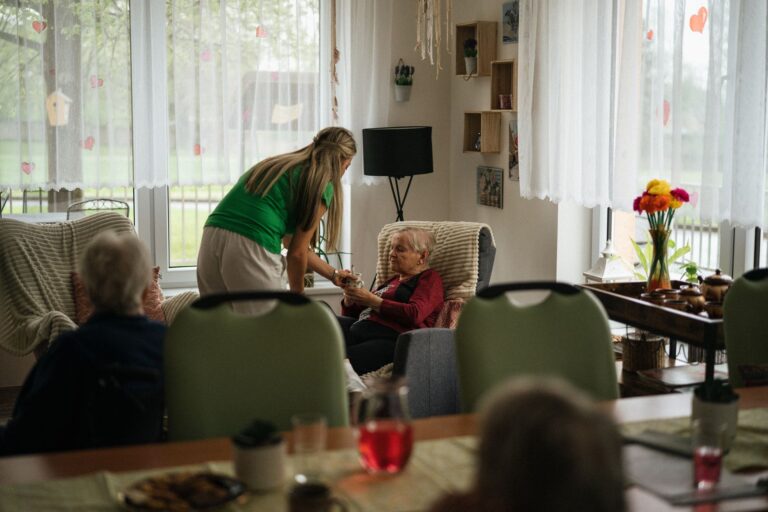
Caregivers create a comprehensive guide by assessing health conditions, medications, daily activities, home risks, and family preferences, then writing specific tasks, schedules, and contacts. In-home caregiving support means organized daily help, backup coverage, and local services that allow a person with dementia to live safely at home.
Start with one written document that every helper can follow. Update it after falls, hospital visits, or behavior changes. A clear guide reduces missed medications and conflicting instructions.
Medical information disclaimer: This article is for general educational purposes only and does not provide medical advice, diagnosis, or treatment. Always consult a physician or other qualified health professional about symptoms, medications, tests, or treatment decisions.
Table of Contents
- What does the first assessment include?
- How do you separate daily help from medical care?
- How do you make the home safer?
- Where do you find breaks and local help?
- What legal and backup plans finish the guide?
What does the first assessment include?
According to Kindly Home Care, a complete assessment lists health conditions, medications, bathing, dressing, eating, mobility, home risks, and preferences assessment process. Be specific about time of day and level of help.
Note what the person can do alone, needs prompting for, and needs hands-on help with. Turn findings into assignments, schedules, and contacts. Include doctor numbers, pharmacy hours, and neighbor backups.
- Morning routine: wake time, toileting, dressing order, breakfast choices.
- Medications: dose, time, with-food rules, missed-dose plan.
- Mobility: walker use, transfer steps, stairs to avoid.
How do you separate daily help from medical care?
The National Institute on Aging explains that home-care aides help with bathing, dressing, light housework, and errands, which is different from home health care getting help with Alzheimer's caregiving. Aides do not provide skilled medical care. Your guide must list medical needs separately.
Make two columns in the guide. Put aide tasks on one side and nursing, therapy, wound care, injections, and medication changes on the other. Assign a name, visit time, and phone number to each medical task.
How do you make the home safer?
The CDC STEADI caregiver program advises removing clutter and loose rugs, adding bathroom grab bars, installing stair handrails and lighting, and reviewing balance, vision, and sedating medicines with clinicians caregiver fall-prevention brochure. Walk each room with this checklist.
Watch nighttime paths to the bathroom and kitchen. Fix high-risk spots first. Repeat the safety check after any fall, new prescription, or change in walking ability.
- Bathroom: grab bars, non-slip mat, raised seat if needed.
- Stairs and halls: handrails both sides, bright bulbs, clear cords.
- Bedroom: lamp in reach, bed height for safe standing, phone nearby.
Where do you find breaks and local help?
The federal National Family Caregiver Support Program, described by the Administration for Community Living in a 2023 blog, funds information, help accessing services, counseling plus support groups and training, respite care, and limited supplemental services. Use these five supports to fill gaps in your weekly schedule. Ask what your local agency currently offers. Local help comes through Area Agencies on Aging, found through the Administration for Community Living's public Eldercare Locator by zip-code search, chat, text, or phone at 1-800-677-1116 Eldercare Locator search.
Save the agency name and caseworker number in the guide. Call before a crisis to learn intake steps. The National Institute on Aging says respite services give primary caregivers short-term relief for hours to weeks at home, in a health facility, or at an adult day center. Plan respite for rest, travel, or family visits. Write who stays, where records are, and how to reach you.
What legal and backup plans finish the guide?
The National Institute on Aging recommends legal and financial planning before crisis, including a will, living will, health-care and financial powers of attorney, advance directives, and exploring payment sources for future care. Store copies where backup helpers can find them. Review choices while the person can still express wishes.
For family and long-distance caregivers, the National Institute on Aging FAQ advises backup coverage, regular respite, support groups through Family Caregiver Alliance or Caregiver Action Network, and helplines like Eldercare Locator at 1-800-677-1116. List two backup people for each key shift. Post the backup phone tree on the fridge and review it monthly.