Reviewed by the Help Dementia Editorial Team — our editors review every article for accuracy against guidance from the National Institute on Aging, the Alzheimer’s Association, and peer-reviewed sources.
Dementia behavior sits at the center of this dementia and brain health question.
Families caring for someone with dementia face a profound challenge: recognizing pain in someone who can no longer tell them it hurts. What families most need to know is that behavioral changes—aggression, withdrawal, restlessness, or agitation—often signal pain rather than dementia itself. When a person with dementia suddenly becomes difficult during care, refuses meals, or wanders constantly, the culprit is frequently untreated pain that has no other way to express itself. This connection between pain and behavior is not widely taught to families, yet understanding it can transform both the quality of care and the person’s quality of life. Pain in dementia is remarkably common. Approximately half of the 35 million people with dementia worldwide experience regular pain, and the prevalence rises sharply with disease severity—between 50 and 80 percent of people with moderate to severe dementia experience pain daily. In nursing home settings, where many families place their loved ones, 30 to 80 percent of older adults with dementia experience pain, with over half dealing with moderate to severe pain.
Yet despite these staggering numbers, pain remains chronically underrecognized and undertreated. Families often don’t realize their loved one is suffering because the person cannot say so. Understanding this hidden pain—and how to spot it—is essential knowledge for any family navigating dementia care. The stakes of missing pain are high. Untreated pain leads to further decline in function and quality of life, worsens behavioral symptoms, can trigger delirium, and increases emergency room visits. In other words, unrecognized pain creates a cascade of problems that make caregiving harder and the person’s experience worse. But pain can be addressed once recognized. The first step is understanding how pain disguises itself in behavior.
Table of Contents
- How Behavioral Changes Signal Hidden Pain in Dementia
- Why Pain Assessment in Dementia Is Frequently Missed
- How Common Is Pain in Dementia Populations?
- Assessment First: Ruling Out Pain Before Assuming Behavior Problems
- Pain Medication in Dementia: Benefits and Limitations
- Non-Pharmaceutical Approaches That Effectively Reduce Pain and Behavior Problems
- Building a Care Team Approach to Pain in Dementia
- Conclusion
How Behavioral Changes Signal Hidden Pain in Dementia
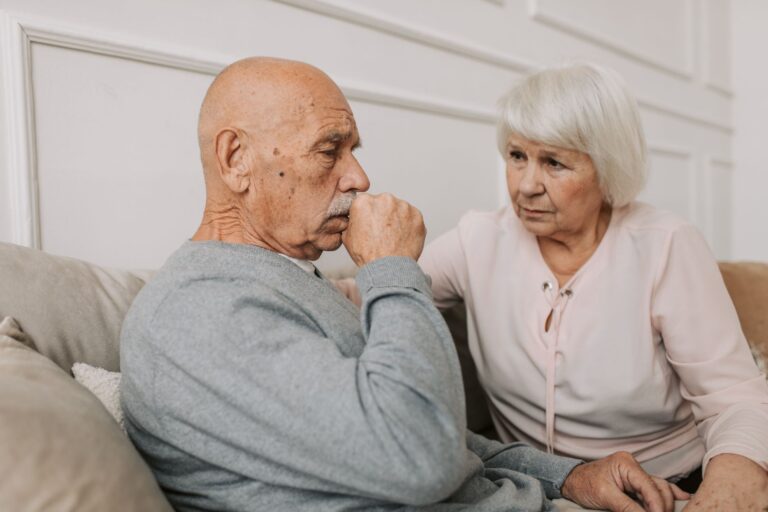
People with dementia gradually lose the ability to recognize pain, evaluate it, and communicate it verbally—a progression that creates a communication barrier unique to dementia care. Early in the disease, a person might say “my shoulder aches.” By mid-to-late stages, they lose access to those words. The pain doesn’t disappear. Instead, it emerges as behavior. caregivers see agitation or aggression and assume it’s dementia behavior. It might be pain. The behavioral warning signs of pain in dementia are specific and recognizable once you know what to look for. They include agitation, aggression, verbal aggression, disruptive behavior, wandering, social withdrawal, and restlessness. Some people pull at their clothing, resist care during bathing or dressing, or freeze in place.
Others produce vocalizations—sighing, moaning, or making sounds of discomfort—that family members often miss as meaningful signals. A person who once enjoyed bathing but now screams during showers may not be refusing care out of stubbornness; they may be experiencing pain that is worsened by water temperature, pressure, or movement. A family member might notice their loved one becoming withdrawn, eating less, and sleeping poorly. These too can be signs of pain. The key is recognizing that the behavior is the person’s only language. When someone cannot say “this hurts,” they say it through action. A man who becomes aggressive after a fall may be injured. A woman who wanders at night may be uncomfortable in bed. An individual who refuses a particular food might be experiencing mouth or jaw pain. Understanding this shifts how families respond: instead of managing the behavior as a symptom of dementia, they begin investigating whether pain is the root cause.

Why Pain Assessment in Dementia Is Frequently Missed
One reason pain goes undetected is a stark knowledge gap among healthcare providers themselves. Research shows that only 10 percent of general practitioners surveyed were aware of any dementia-specific pain assessment tools. If doctors don’t know how to assess pain in dementia, family members and nursing staff certainly won’t either. This gap means families are often left to figure it out on their own, without professional guidance. The challenge of pain assessment in dementia lies in its invisibility. Unlike a broken leg or a wound, pain from arthritis, a urinary tract infection, constipation, or other common causes has no outward sign.
A person with advanced dementia cannot point to their hip and say “that hurts.” They cannot remember that it’s Tuesday and their usual ache is worse today. They cannot distinguish between different types of pain. In a nursing home, a staff member might attribute a person’s refusal to eat to their dementia, when the real cause is dental pain or acid reflux. This misattribution can lead to dismissing the behavior rather than treating it. The limitation families face is that pain assessment in dementia requires detective work. It requires asking questions: Did the behavior change recently, or has it always been there? Is there a pattern—does it happen at certain times, during certain activities, or in certain positions? Does the person have risk factors for pain, such as arthritis, recent falls, or surgery? Did something change in their environment? This investigation takes time and attention that busy caregivers may not have. Yet it’s often the only path to discovering pain that medical tests might miss.
How Common Is Pain in Dementia Populations?
The prevalence of pain in dementia varies depending on setting and disease stage, but the numbers are consistently high. In community-dwelling older adults with dementia, approximately 50 percent report regular pain. The prevalence climbs significantly in institutional settings. Nursing home residents with dementia experience pain at rates of 30 to 80 percent, depending on the population studied, with over half of those experiencing moderate to severe pain. These aren’t rare edge cases—they’re the norm. What makes these numbers particularly concerning is that they represent largely unmet needs.
While pain is this prevalent, it remains underrecognized because people with dementia cannot advocate for themselves. A younger person with arthritis pain might request medication, try heating pads, or modify their activities. A person with advanced dementia cannot do any of these things. Their suffering is silent unless caregivers recognize the behavioral signals. For families, this means accepting that pain is statistically likely. It shifts the question from “Is there pain?” to “Where is the pain, and how can we address it?”.

Assessment First: Ruling Out Pain Before Assuming Behavior Problems
When a person with dementia suddenly becomes aggressive, withdraws, or resists care, the expert-recommended first step is not to increase sedating medications or assume the dementia has worsened. Instead, it’s to rule out physical causes of discomfort. Healthcare providers recommend assessing for pain, constipation, urinary retention, infections, and environmental factors like room temperature. This is called a “reversible causes” check, and it should happen before other interventions. An analgesic trial is often the next step. When pain is suspected as the cause of behavioral change, research shows that experts recommend trying pain medication first because it produces the fastest behavioral improvement. Unlike behavioral medications, which can take weeks to show effect, pain relief can produce visible changes in days or even hours.
If a person is aggressive because of arthritic pain and you give them appropriate pain medication, the agitation may resolve quickly. If the behavior doesn’t improve with pain treatment, then the team can explore other causes and interventions. This hierarchy—pain first, then behavior—reflects the clinical reality that untreated pain is often the culprit. The tradeoff is that this approach requires communication and coordination. Families need to be able to tell their doctor or care team about the behavior change, and medical providers need to be willing to investigate rather than quickly prescribe antipsychotics or sedatives. In some settings, particularly under-resourced nursing homes, this thorough assessment may not happen. Families may need to advocate strongly, documenting when behavioral changes occurred and what they observed, to prompt this kind of thinking.
Pain Medication in Dementia: Benefits and Limitations
When pain is identified, medication is often part of the solution, but it comes with considerations specific to dementia. Over-the-counter pain relievers like acetaminophen are typically the first choice, followed by other options depending on the type and severity of pain. However, pain management in dementia requires careful monitoring because older adults and people with dementia are more sensitive to medication side effects. A dose that works for a younger person might cause confusion, falls, or other problems in someone with dementia. One important limitation is that pain medications work best when paired with non-medication strategies. Relying solely on pills misses opportunities to address the root cause. For example, pain from poor positioning in a wheelchair can be addressed with better cushioning and repositioning schedules. Pain from skin breakdown needs wound care.
Pain from constipation needs dietary changes and preventive care. Medication addresses the symptom but not always the cause. Families and care teams need to think about both simultaneously—treating the pain while also preventing or managing the underlying condition. Another limitation is that over-medication can become a problem. If pain is not the issue, giving pain medication won’t help the behavior and may cause harm. This reinforces why assessment must come first. Additionally, some pain conditions common in older adults and dementia—such as nerve pain—respond poorly to standard pain medication and require specialized management. Families should expect their care team to re-evaluate pain regularly and adjust treatment based on the person’s response.

Non-Pharmaceutical Approaches That Effectively Reduce Pain and Behavior Problems
One of the most evidence-supported non-medication interventions is music therapy. Research demonstrates that music listening and participation reduce both pain and behavioral symptoms in dementia. A person who is agitated or withdrawn might respond dramatically to familiar music from their youth. Other proven therapies include cognitive behavioral therapy, reflexology, Reiki, pet therapy, and specialized approaches like person-centered bathing—a method that respects the person’s preferences and comfort during what can be a distressing activity.
Comfort strategies addressing the environment and daily routines also help substantially. Aromatherapy, rocking chair therapy, repositioning to improve blood circulation, and frequent position changes enhance comfort and well-being. A person in pain may settle when moved to a different room, given a hand massage, or placed in a position that relieves pressure on painful joints. Some families discover that simple changes—adjusting room temperature, reducing noise, or offering a favorite food in easier-to-eat forms—make a significant difference. These interventions require no medication and often have the added benefit of improving the relationship between caregiver and care recipient, since they involve comfort and connection rather than force or resistance.
Building a Care Team Approach to Pain in Dementia
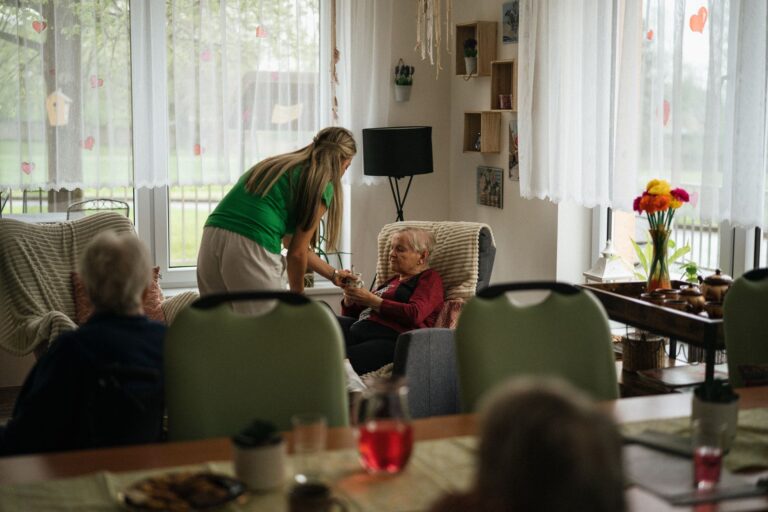
Identifying and managing pain in dementia cannot fall entirely on family shoulders. It requires coordination across healthcare providers, nursing staff, and the family itself. A comprehensive approach involves the primary care physician, specialists who can evaluate specific pain complaints, nursing home or facility staff who see the person daily, and family members who know the person best. Each perspective is essential. The family knows the person’s baseline behavior and personality. The doctor can order testing or try pain medication.
The nursing staff observes patterns. Together, they can piece together the pain puzzle that no one person sees completely. As awareness of pain in dementia grows, more tools and training are becoming available to healthcare providers, though access is uneven. Some geriatric specialists and dementia care specialists have expertise in pain assessment; others may not. Families may need to seek out specialists or facilities known for strong pain management. Advocacy matters—asking questions, insisting on investigation of behavioral changes, and pushing back against quick pharmaceutical fixes can prompt the more thoughtful approach that recognizes pain. The future of dementia care depends on this shift: from managing behavior with sedation to recognizing and treating pain.
Conclusion
Families caring for someone with dementia should know that pain is present in the lives of millions of people with the disease, yet it remains hidden because those affected cannot verbally communicate it. Instead, pain speaks through behavior—aggression, withdrawal, agitation, resistance to care, and other signals that families can learn to recognize. This knowledge is powerful because it shifts the response from managing the person’s dementia to addressing their physical discomfort. When a sudden behavior change occurs, the first question should not be “Is the dementia getting worse?” but rather “Is something causing pain?” The path forward begins with observation and communication.
Families should document behavioral changes, rule out common sources of pain and discomfort with their healthcare team, and advocate for a thorough assessment before resorting to behavior-modifying medications. They should explore non-medication strategies—music, comfort, positioning, specialized bathing approaches—that reduce both pain and behavioral symptoms. Working with care providers who understand dementia-specific pain assessment transforms outcomes for both the person with dementia and the family caring for them. This is knowledge that has the power to end unnecessary suffering.
You Might Also Like
- What Families Should Ask Pharmacists About Dementia
- How Pain Can Cause Agitation in Dementia
- How Home Hazards Affect Dementia Safety
For more, see NIH MedlinePlus — cognitive testing.