Reviewed by the Help Dementia Editorial Team — our editors review every article for accuracy against guidance from the National Institute on Aging, the Alzheimer’s Association, and peer-reviewed sources.
Dementia-friendly communities require a fundamental shift in how neighborhoods are designed, operated, and supported—one that acknowledges the cognitive, physical, and social needs of people living with dementia while maintaining their dignity and independence. This means building environments where someone with memory loss can still navigate safely, where community members understand dementia well enough to respond with patience rather than frustration, and where professional support systems are woven into daily life. A true dementia-friendly community in San Francisco, for example, trains shopkeepers and bus drivers to recognize confusion, creates clear wayfinding on streets to prevent residents from getting lost, and ensures healthcare providers can coordinate care across multiple settings.
The infrastructure of dementia-friendly communities rests on four pillars: physical design that reduces confusion and prevents wandering-related accidents, a trained and informed public that responds compassionately to behavioral changes, integrated healthcare services that address both medical and cognitive decline, and accessible resources that help families navigate care decisions. Unlike senior-friendly design, which typically focuses on mobility and fall prevention, dementia-friendly communities must account for the fact that the challenge is not primarily physical limitation but rather cognitive disorientation, memory loss, and changes in behavior and personality. Creating these communities is not a single intervention but rather a coordinated transformation that touches housing, transportation, retail, healthcare, law enforcement, and social services. Communities that succeed do so because they treat dementia not as an individual family problem but as a public health priority requiring collective investment.
Table of Contents
- How Should Physical Environments Be Designed for Dementia?
- What Role Does Community Education and Stigma Reduction Play?
- How Should Healthcare Services Be Coordinated in Dementia-Friendly Communities?
- What Training and Support Do Caregivers and Staff Need?
- What Transportation Challenges Do Dementia-Friendly Communities Address?
- How Do Housing Options Support People with Dementia?
- What Role Does Technology Play in Dementia-Friendly Communities?
- Conclusion
- Frequently Asked Questions
How Should Physical Environments Be Designed for Dementia?
The built environment is one of the most direct tools for supporting independence and preventing harm for people with dementia. Effective design uses color contrast to highlight important features—for instance, painting door frames in a contrasting color to the walls so a person can more easily locate a bathroom or exit. Wayfinding is simplified through consistent signage, numbered buildings, and reduced visual clutter; a comparison between a typical suburban street and a dementia-friendly street shows that the latter has fewer, clearer signs; better lighting; benches at regular intervals; and familiar landmarks. Streets should be designed for slow walking, with flat surfaces, adequate curbs, and rest areas, because people with dementia often move cautiously and become fatigued more easily than the general population. Interior spaces in homes, care facilities, and public buildings should minimize mirrors (which can cause confusion when a person with dementia doesn’t recognize their own reflection), secure doors leading to dangerous areas like kitchens or stairwells, and use familiar patterns rather than abstract designs.
Lighting is critical—insufficient lighting increases disorientation and fall risk, while harsh artificial lighting can trigger agitation. Public bathrooms should have clear entrances, high-contrast toilet seats, and grab bars installed at appropriate heights; a limitation here is that many existing buildings cannot accommodate these changes without significant renovation, which creates barriers for lower-income communities. Flooring choices matter: shiny, reflective floors can appear wet and cause someone with dementia to avoid walking in that area, while highly patterned floors can trigger visual confusion. Noise levels should be controlled because loud, unpredictable sounds increase anxiety and agitation. Research shows that dementia-friendly design can reduce behavioral symptoms, decrease falls, and improve quality of life—but only when combined with consistent staffing and routine, not as a standalone fix.

What Role Does Community Education and Stigma Reduction Play?
A dementia-friendly community is fundamentally a community where people understand what dementia is, what it is not, and how to respond when they encounter someone experiencing confusion or behavioral changes. Public education campaigns should explain that dementia is not normal aging, that it is not a mental illness or character flaw, and that people with dementia are not being difficult deliberately—they are experiencing genuine cognitive loss. When a grocery store employee understands this, they are less likely to become impatient with a shopper who can’t find an item they came for, and more likely to offer assistance without making the person feel ashamed. Training programs should reach not just healthcare workers but also police, bus drivers, postal carriers, restaurant staff, and retail workers—anyone likely to encounter someone with dementia in their daily work. A well-designed program teaches staff to recognize the signs of dementia-related distress, how to communicate clearly and slowly, and when to contact family or emergency services.
One example is the Dementia-Friendly America initiative, which has trained thousands of business employees across the U.S. to respond appropriately to people with dementia. A significant limitation is that education is only as effective as the resources allocated to it; a one-hour training without follow-up is insufficient, and communities must commit to ongoing education and renewal, especially for newer employees. Stigma reduction also requires family and caregiver support—creating spaces where people can openly discuss dementia without fear of judgment, and where caregivers’ own mental health challenges are acknowledged. Communities should fund support groups, caregiver respite care, and counseling services, recognizing that caregiver burnout is one of the leading reasons families move a relative into institutional care.
How Should Healthcare Services Be Coordinated in Dementia-Friendly Communities?
Dementia requires coordination across multiple providers: primary care physicians, neurologists, geriatricians, psychiatrists, social workers, and home health agencies. In a fragmented system, a person might receive a dementia diagnosis from a specialist but have no clear pathway to ongoing care, medication management, or behavioral support. A dementia-friendly community establishes care coordination systems—ideally, a central team or “hub” that manages communication between providers, ensures care plans are updated and shared, and tracks medication interactions and side effects across all providers. One example of this is the Accountable Health Organization (AHO) model used in some communities, where primary care practices, specialists, hospitals, and social services are financially incentivized to work together and reduce unnecessary referrals, emergency room visits, and hospital readmissions.
Compared to fee-for-service medicine, where providers are paid for each visit regardless of whether the patient improves, coordinated care reduces costs and improves outcomes. However, a warning: coordination requires investment in electronic health records and staff time, and not all communities have the resources to implement this infrastructure. Rural and underserved communities often lack even one geriatrician or dementia specialist, making comprehensive coordination nearly impossible without telemedicine or visiting specialists. Dementia-friendly communities should also normalize advance care planning, where people with early-stage dementia and their families have conversations about values, preferences, and end-of-life care. This reduces crisis-driven interventions later and ensures that medical decisions align with the person’s wishes.

What Training and Support Do Caregivers and Staff Need?
Frontline care workers—home health aides, nursing home staff, and adult day program employees—provide the majority of day-to-day care for people with dementia, yet they are among the lowest-paid workers and often receive minimal formal training. A dementia-friendly community invests in training these workers to recognize changes in health status, understand behavioral symptoms, communicate effectively with people experiencing memory loss, and apply non-pharmacological interventions (such as music, reminiscence therapy, or structured activities) to reduce agitation and improve engagement. Training should cover the basics of dementia pathology, the typical progression of symptoms, and an understanding that behavior is communication—when someone with dementia yells or becomes aggressive, they are usually expressing a need (hunger, pain, bathroom need, fear, or overstimulation) rather than acting out.
A comparison: untrained staff might respond to shouting by using restraints or sedative medications, while trained staff would investigate the underlying cause and address it, potentially preventing medication side effects and physical injuries. One example is the DICE framework (Describe, Investigate, Create, Evaluate), which systematizes the process of responding to behavioral symptoms without jumping to medication. Training must include emotional support and burnout prevention for caregivers themselves, who experience high rates of depression, anxiety, and compassion fatigue. Communities should provide peer support groups, access to mental health services, and reasonable work schedules; a limitation is that many care facilities operate on tight budgets and cannot afford to hire enough staff to provide adequate break time, creating a cycle where stressed workers provide lower-quality care.
What Transportation Challenges Do Dementia-Friendly Communities Address?
As dementia progresses, people lose the ability to drive safely—reaction time slows, spatial awareness diminishes, and judgment deteriorates. Yet many older adults and their families resist stopping driving because public transportation options are limited or confusing. A dementia-friendly community provides accessible transportation alternatives: senior transit services with trained drivers who can assist passengers with cognitive or physical limitations, volunteer driver programs, and subsidized ride-sharing services for medical appointments and essential trips. Public transit should be simple to navigate—bus routes should be clearly marked with visual and audio announcements of stops, fare payment should be straightforward, and staff should be trained to assist passengers with dementia. However, a warning: public transportation alone is insufficient in many suburban and rural areas where density is too low to support viable transit routes.
Communities in car-dependent areas must either invest significantly in creating new transit infrastructure or provide funding for alternative services like volunteer driving programs or subsidized medical transport. The cost difference is substantial—a volunteer driver program might serve dozens of people; a public transit expansion serves hundreds but requires years to plan and fund. Sidewalk infrastructure is equally important. A person with dementia might become lost during a walk, so safe, well-lit, scenic routes with frequent rest areas encourage walking while reducing risk. Some communities have created “walking loops” with clear landmarks and benches, allowing people to walk safely without getting lost.

How Do Housing Options Support People with Dementia?
Housing in a dementia-friendly community includes a range of options to match the changing needs of people as dementia progresses. Early-stage options include aging-in-place support—home modifications, home health aides, and assistive technology in a person’s own home or apartment. As needs increase, shared housing or co-housing communities designed for older adults provide a middle ground between independence and institutional care, often with some on-site support. Memory care facilities and residential care homes offer 24-hour supervision for people in moderate-to-advanced stages.
An example is the Green House model, a small residential alternative to nursing homes where 6-10 residents live in a home-like setting with a consistent team of care workers, private bedrooms, and shared common areas. Compared to traditional nursing homes, residents in Green House settings show lower rates of depression, less use of antipsychotic medications, and higher satisfaction scores among families. However, the limitation is cost and availability; Green House communities exist in only a few states and serve a tiny fraction of the population needing care. Most people with dementia still live in traditional nursing homes, which are often large, institutional, and understaffed.
What Role Does Technology Play in Dementia-Friendly Communities?
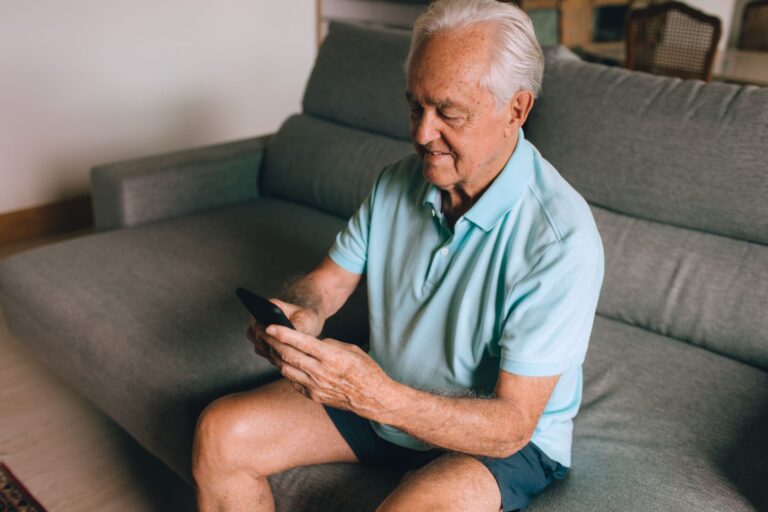
Technology, when thoughtfully deployed, can support independence and safety without replacing human connection. GPS watches and medical alert systems help locate people who wander, reducing the risk of them becoming lost or exposed to dangerous situations. Medication reminder systems and simplified smartphone apps help people with early-stage dementia manage their own care. Telehealth allows specialists to evaluate and consult on cases without requiring travel.
However, technology is a tool, not a solution. A dementia-friendly community does not replace staff with cameras and monitoring devices; instead, it uses technology to augment human care. An example is using video monitoring in hallways to alert staff when someone is at risk of falling, allowing staff to intervene early rather than discovering a fall after it happens. One forward-looking insight is that artificial intelligence and machine learning tools are beginning to predict health crises (like urinary tract infections, which commonly trigger behavioral symptoms in people with dementia) by analyzing patterns in vital signs and behavior—if these tools are implemented ethically and with appropriate privacy protections, they could transform early intervention in dementia care.
Conclusion
Dementia-friendly communities are built on the recognition that people living with dementia deserve to remain engaged in their communities for as long as possible, and that this is achievable only through coordinated effort across housing, healthcare, transportation, education, and public policy. The requirements are simultaneously practical (modifying sidewalks, training staff) and philosophical (shifting from a medical model of dementia as individual disease to a public health model of dementia as a community challenge). Communities that have made progress on dementia-friendly initiatives report higher quality of life for people with dementia, less caregiver stress, and often lower overall healthcare costs due to fewer preventable crises.
If your community has not yet begun this work, start with an assessment: identify gaps in transportation, healthcare coordination, public awareness, and housing options. Convene stakeholders—healthcare providers, local government, nonprofit organizations, people with dementia, and family caregivers—to prioritize which gaps to address first. Small changes, consistently implemented and sustained, accumulate into meaningful transformation.
Frequently Asked Questions
What is the difference between a dementia-friendly community and a senior-friendly community?
Senior-friendly design focuses on accessibility for people with mobility limitations—wider doorways, lower shelves, accessible bathrooms. Dementia-friendly design prioritizes reducing confusion and supporting cognitive function—clear wayfinding, reduced clutter, consistent routines, trained staff, and environments that prevent wandering-related danger. While overlap exists, the cognitive dimension is the essential difference.
How much does it cost to make a community dementia-friendly?
Costs vary widely depending on which interventions are prioritized. Small changes like adding color contrast, improving lighting, and adding signage cost relatively little. Training programs and public awareness campaigns cost thousands to hundreds of thousands depending on scale. Infrastructure changes like transit expansion or housing development cost millions. Most communities start with modest investments in training and coordination, then expand based on what is feasible given available funding and political will.
Can dementia-friendly design work in rural communities?
Yes, but with modifications. Rural communities cannot replicate urban transit systems, so they rely more heavily on volunteer driver programs, private transportation solutions, and ensuring healthcare is available locally or via telehealth. Rural communities often have advantages in social cohesion and informal support networks that can be formalized into dementia-friendly initiatives; the challenge is funding and access to specialists.
Who should lead dementia-friendly community initiatives?
Leadership typically comes from a coalition including local government, healthcare organizations, nonprofits serving older adults, and family caregivers. The specific lead agency varies—health departments, Area Agencies on Aging, or nonprofit organizations—but success requires sustained commitment from multiple stakeholders, not a single leader.
Is there a way to assess whether a community is truly dementia-friendly?
Several frameworks exist, including the Dementia Friendly America Toolkit and the WHO Guidelines for Dementia-Friendly Communities. Assessment typically involves surveying people with dementia, caregivers, and community members about their experiences; examining policies and services for dementia-specific accommodations; and reviewing environmental factors like signage, lighting, and safety features.
What should someone do if their community is not dementia-friendly?
Start by educating yourself and others about what dementia-friendly means. Connect with local Alzheimer’s organizations, support groups, and advocacy groups—they often have resources and established networks. Bring ideas to city council, health departments, or nonprofit organizations. Support or volunteer for existing dementia-focused initiatives. Change often starts with a small group of committed people raising awareness and demonstrating the value of incremental improvements.