The best nuts and seeds for memory and brain function are walnuts, almonds, pistachios, pecans, pumpkin seeds, chia seeds, and flaxseeds. Each brings a distinct nutritional profile that supports different aspects of cognitive health, from reducing neuroinflammation to supporting nerve signaling. If you had to pick one to start with, walnuts are the most studied and consistently show the strongest association with cognitive benefits across multiple research reviews.
A handful of walnuts added to oatmeal in the morning, for example, delivers a meaningful dose of alpha-linolenic acid (ALA) and polyphenols before the day even begins. This article breaks down what the research actually says about each nut and seed, which nutrients matter most for brain health, and how to fit these foods into a realistic daily routine. It also addresses what the science cannot yet confirm and why nuts and seeds work best as part of a broader dietary pattern rather than as a quick fix.
Table of Contents
- Which Nuts Have the Strongest Evidence for Memory and Cognitive Function?
- What Do Seeds Offer That Nuts Cannot?
- The Role of Minerals — Pumpkin Seeds, Cashews, and Nerve Signaling
- How to Realistically Add These Foods to a Daily Diet
- What the Research Cannot Yet Confirm
- Pecans — The Underrated Option
- Looking Ahead — Personalized Nutrition and Cognitive Risk
- Conclusion
- Frequently Asked Questions
Which Nuts Have the Strongest Evidence for Memory and Cognitive Function?
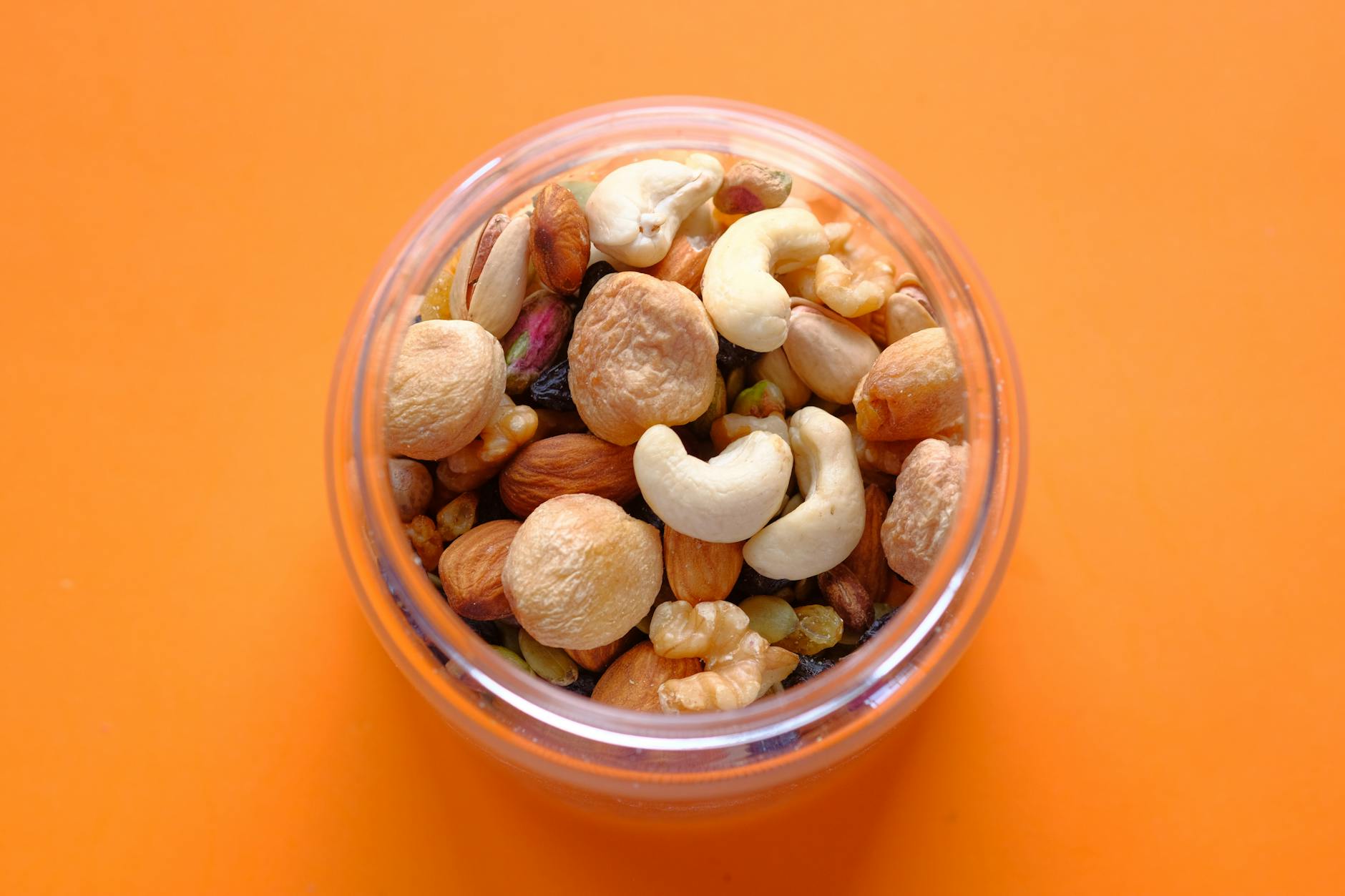
Walnuts lead the field. As the richest plant-based source of ALA omega-3 fatty acid, they also contain polyphenolic compounds that reduce oxidative stress and neuroinflammation — two processes closely linked to cognitive decline. A systematic review published in PMC examined six studies on walnuts and cognitive performance, including two randomized controlled trials, and found that five of those six studies reported a positive association between walnut consumption and brain health. That level of consistency is relatively uncommon in nutrition research, which tends to produce mixed results. Almonds make a strong case as the second most important nut for cognitive support, primarily because of their Vitamin E content.
Among all nuts, almonds are the most potent source of this nutrient, and low Vitamin E intake has been linked in observational studies to increased dementia risk. Almonds also contain magnesium and flavonoids, which research associates with improved memory and cognitive performance. Pistachios round out the top three with a different kind of evidence. Studies have found that among all tested nuts, pistachios produce the greatest effect on gamma brain waves — the neural oscillations most directly linked to learning, cognition, and memory consolidation. The mechanism is not fully understood, but the finding is specific enough to distinguish pistachios from other nuts rather than treating them as interchangeable.
What Do Seeds Offer That Nuts Cannot?
Seeds, particularly chia and flaxseeds, deliver the highest concentrations of ALA omega-3 among all plant foods. A single ounce of chia seeds contains approximately 5 grams of ALA — more than any nut or seed by weight. Research published in 2024 on ResearchGate found that chia seeds specifically encourage neurogenesis, meaning the growth of new brain cells, and support brain plasticity, the ability of neural connections to adapt and strengthen over time. These are not minor effects. Neurogenesis and plasticity are foundational to learning and to protecting memory as we age. Flaxseeds carry similar ALA levels and have been highlighted in recent 2024 and 2025 reviews for supporting neuroprotection and cognitive performance.
Ground flaxseed added to yogurt or baked into bread is one of the easiest ways to incorporate it without changing a meal plan significantly. However, there is a meaningful limitation here. ALA from plant sources converts to DHA — the omega-3 most directly tied to brain structure and function — at only about 0.5% efficiency in the human body. The NIH’s Omega-3 Fatty Acids Health Professional Fact Sheet makes this clear. That means even a high-ALA diet from nuts and seeds alone is unlikely to fully substitute for the DHA found in fatty fish. For people managing dementia risk or caring for someone with cognitive decline, this is worth knowing. Seeds and nuts are valuable contributors to a brain-healthy diet, but they should not be treated as equivalent to fish oil or fatty fish when it comes to omega-3 delivery.
The Role of Minerals — Pumpkin Seeds, Cashews, and Nerve Signaling
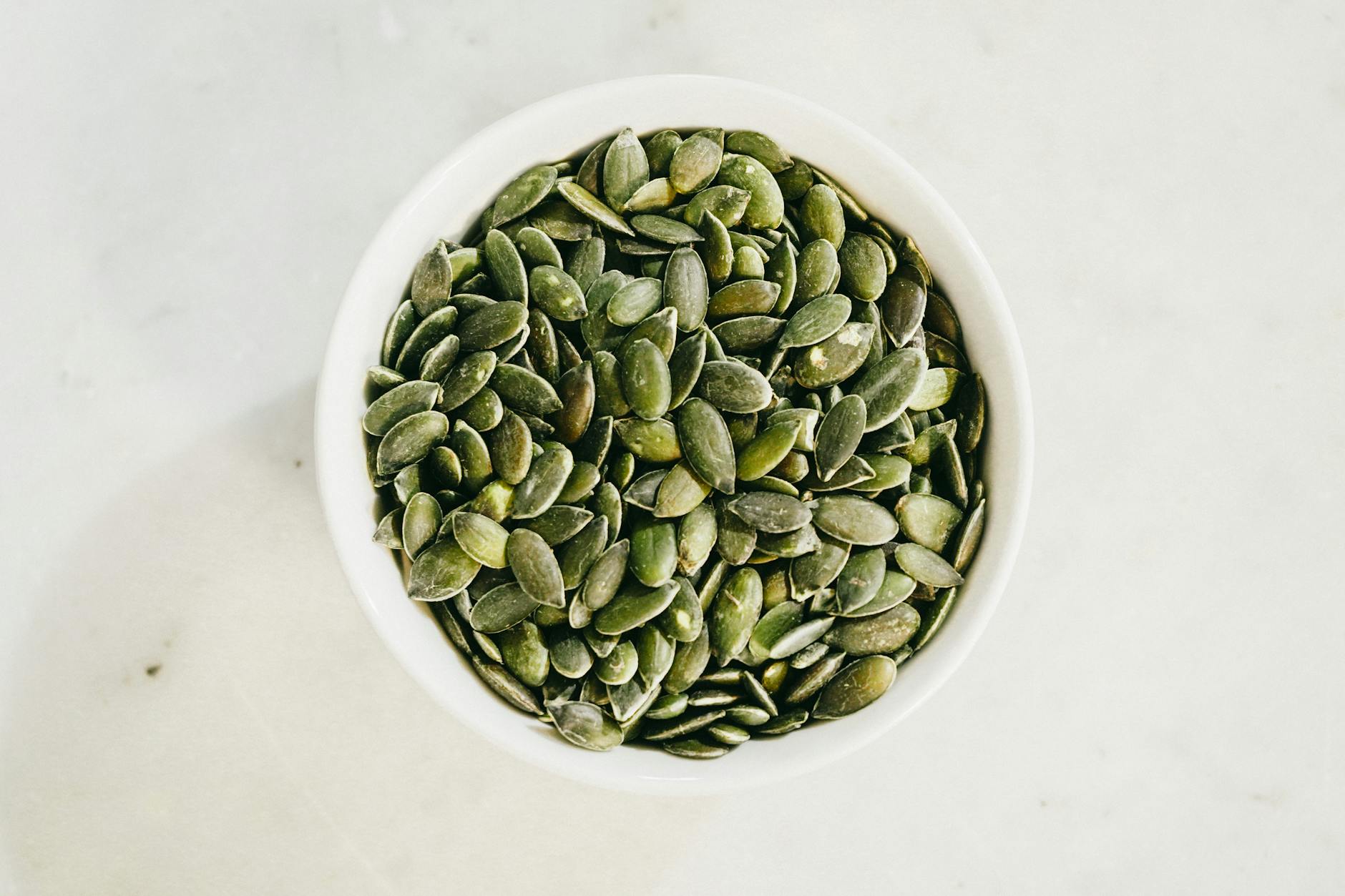
Not all brain benefits from nuts and seeds come from omega-3s or antioxidants. Pumpkin seeds are an exceptional source of magnesium, iron, zinc, and copper — four minerals that are directly involved in neuronal communication and cognitive processes. Zinc and copper, in particular, play a specific role in how neurons signal to each other, and deficiencies in either are associated with impaired memory and attention. A small daily portion of pumpkin seeds — around a quarter cup — provides a meaningful contribution to zinc and copper intake without a large caloric cost.
Cashews offer a significant source of magnesium as well. Magnesium regulates brain function more broadly and has a documented role in mood regulation, which matters in dementia care contexts where anxiety and depression often accompany cognitive decline. Someone in early-stage dementia who is experiencing mood instability might benefit as much from the magnesium in cashews as from the omega-3s in walnuts, depending on their broader dietary profile. The mineral argument for nuts and seeds is sometimes underemphasized in favor of the omega-3 discussion. But for people who already eat fish regularly, the mineral content of pumpkin seeds and cashews may represent the more meaningful incremental benefit that nuts and seeds provide.
How to Realistically Add These Foods to a Daily Diet
The simplest starting point is to choose two or three of these foods and rotate them through meals rather than trying to incorporate all seven at once. A practical daily approach might look like this: a small handful of walnuts or almonds mid-morning, ground flaxseed or chia seeds stirred into a smoothie or yogurt at breakfast, and pumpkin seeds on a salad at lunch. That combination covers omega-3s, Vitamin E, and key minerals without requiring any significant change to existing meal structure. Whole nuts versus nut butters involves a real tradeoff. Whole nuts retain their fiber and require more chewing, which slows consumption and supports satiety.
Nut butters are more practical for older adults who may have dental issues or difficulty with texture, and they still deliver the same fats and most of the same nutrients — but commercial versions often contain added sugars or hydrogenated oils that offset the nutritional value. For someone managing brain health alongside other conditions like cardiovascular disease, reading labels on nut butters matters. Portion size is worth noting explicitly. Nuts are calorie-dense, and a therapeutic dose does not require large quantities. Most research that finds cognitive benefits uses portions in the range of one to one and a half ounces per day — roughly a small palmful. Eating more than that is unlikely to produce additional brain benefit and may displace other foods that also contribute to cognitive health.
What the Research Cannot Yet Confirm
The enthusiasm around nuts and seeds for brain health is real, but a 2024 meta-analysis of randomized clinical trials published in Frontiers in Nutrition found that the evidence remains promising but inconsistent across different study designs. The most favorable outcomes tended to appear in populations already at higher risk of cognitive decline — suggesting that people with good baseline nutrition may see less measurable benefit than those with nutritional gaps. That is worth keeping in mind when evaluating headlines that treat any single food as broadly protective. There is also a significant difference between observational studies, which find correlations between nut consumption and cognitive health in large populations, and randomized controlled trials, which test cause and effect. Much of the existing literature relies on dietary recall data, where participants report what they ate over time.
Those methods introduce memory bias, socioeconomic confounding, and the difficulty of isolating a single food from a complex diet. Walnuts, for example, may appear protective in part because people who eat walnuts regularly tend to follow more broadly healthy diets overall. This does not mean the research is dismissible. It means the right framing is dietary pattern, not superfoods. Harvard Health explicitly notes that nuts and seeds are part of a brain-healthy dietary approach — alongside vegetables, whole grains, legumes, and fish — rather than standalone interventions. A person eating walnuts daily alongside a diet high in processed food and refined sugar is unlikely to see meaningful cognitive protection from the walnuts alone.

Pecans — The Underrated Option
Pecans rarely appear at the top of brain-health food lists, but a 2025 study published in Nutritional Neuroscience found that pecan consumption may boost processing speed, memory, learning, and attention. That breadth across multiple cognitive domains — rather than a narrow benefit to one area — makes the finding noteworthy.
The study is recent enough that it has not yet been widely replicated, which means treating it as preliminary is appropriate. But for someone who already enjoys pecans or is looking to vary their nut intake beyond walnuts and almonds, the emerging evidence is encouraging enough to make them a reasonable regular choice.
Looking Ahead — Personalized Nutrition and Cognitive Risk
The future of dietary guidance for brain health is moving toward personalization. Emerging research is examining how genetic factors influence the conversion of ALA to DHA, meaning that the same walnut-and-flaxseed diet may produce different cognitive outcomes in different people depending on their metabolism.
People who carry certain variants of the FADS gene cluster, which regulates fatty acid conversion, may convert plant omega-3s more efficiently — or less — than the population average. As dementia rates continue to rise and interest in preventive strategies grows, nuts and seeds will likely remain a central component of brain-health dietary recommendations. The consistency of their association with cognitive benefits across multiple studies, combined with their low risk profile, makes them a practical and evidence-backed starting point for anyone trying to support memory and cognitive function through food.
Conclusion
The best nuts and seeds for brain health are not interchangeable — each contributes through a different mechanism. Walnuts and almonds offer the most consistent evidence for cognitive support, with walnuts leading on omega-3 and antioxidant content and almonds providing the highest Vitamin E among nuts. Seeds, particularly chia and flax, deliver concentrated ALA, though the conversion to DHA remains inefficient enough that they should complement rather than replace dietary fish for omega-3 needs. Pumpkin seeds and cashews address a different gap, providing the minerals — zinc, copper, and magnesium — that directly regulate nerve signaling and mood.
The practical takeaway is to add variety rather than optimize around a single food. A rotation of walnuts, almonds, pumpkin seeds, and ground flaxseed or chia throughout the week covers the main nutritional categories that current research links to cognitive health. These foods work best as part of a broader brain-healthy dietary pattern — one that also includes vegetables, whole grains, and fatty fish — and they are most likely to make a meaningful difference for people who currently have nutritional gaps in these specific areas. Start with one or two additions to existing meals, keep portions to around an ounce per day, and prioritize whole forms over heavily processed products.
Frequently Asked Questions
How many walnuts should you eat per day for brain health?
Most research on walnuts and cognitive function uses portions of one to one and a half ounces per day, which is roughly 14 walnut halves. There is no established evidence that eating more than this provides additional brain benefit.
Are chia seeds or flaxseeds better for brain health?
Both are high in ALA omega-3 and support neuroprotection, but chia seeds have a slight edge at approximately 5 grams of ALA per ounce. Flaxseeds may be more practical ground and mixed into food. The differences are modest enough that preference and convenience are reasonable deciding factors.
Can nuts and seeds replace fish oil for omega-3 brain benefits?
No. ALA from plant sources converts to DHA — the omega-3 most directly linked to brain structure — at only about 0.5% efficiency. Nuts and seeds contribute meaningfully to overall omega-3 intake but are not an equivalent substitute for DHA from fatty fish or fish oil supplements.
Are roasted or raw nuts better for brain health?
Raw or dry-roasted nuts without added oils or salt are the better choice. High-heat roasting with added oils can degrade heat-sensitive fats and introduce unnecessary sodium or unhealthy fats that offset the nutritional value.
Does nut butter provide the same brain benefits as whole nuts?
Most of the core nutrients are preserved in nut butters, but commercial versions often contain added sugars and partially hydrogenated oils. Plain nut butters with no added ingredients are a comparable alternative for people who have difficulty eating whole nuts due to texture or dental issues.
Is there a best time of day to eat nuts for cognitive benefits?
Current research does not point to a specific optimal time. Consistency matters more than timing — daily consumption across weeks and months is what the positive studies reflect, rather than acute effects from a single serving.