The herbs and spices with the strongest evidence for brain health include turmeric, saffron, rosemary, sage, ginger, cinnamon, ashwagandha, bacopa monnieri, and ginkgo biloba. Among these, saffron and sage currently hold the most robust clinical trial support, with saffron performing comparably to prescription Alzheimer’s medications in controlled studies. These are not fringe remedies — many have been the subject of peer-reviewed trials and systematic reviews published as recently as 2025.
If you are looking for practical, evidence-grounded dietary additions that may support memory and reduce neuroinflammation, these nine are the ones most worth understanding. This article covers each herb and spice in detail, explaining the mechanisms behind their effects, what the clinical evidence actually shows, and where the science remains preliminary. It also addresses practical questions about how to incorporate these ingredients into a daily diet, what combinations may be most useful, and where caution is warranted — including a look at which health claims circulating online are not yet supported by primary clinical trials.
Table of Contents
- Which Herbs and Spices Have the Best Evidence for Brain Health?
- How Does Turmeric Support Memory and Reduce Neuroinflammation?
- What Role Do Rosemary and Ginger Play in Cognitive Function?
- How to Incorporate Brain-Healthy Herbs Into a Daily Diet
- Ashwagandha and Bacopa — What Does the Newer Research Show?
- The Science Behind Polyphenols and Neuroinflammation
- What the Evidence Tells Us — and Where It Stops
- Conclusion
- Frequently Asked Questions
Which Herbs and Spices Have the Best Evidence for Brain Health?
Not all herbs marketed for brain health carry equal scientific weight. When evaluating the evidence, it helps to distinguish between population-based observational data, laboratory studies on cell cultures or animal models, and randomized controlled trials in human subjects. The strongest case for any herb or spice comes from the latter — and by that standard, saffron and sage currently lead the field. Saffron has been tested in clinical trials against two of the most commonly prescribed Alzheimer’s medications. In one trial, saffron extract performed comparably to memantine — a drug used in moderate-to-severe Alzheimer’s — in reducing cognitive decline. A separate trial showed saffron was equivalent to donepezil in mild-to-moderate cases.
A 2025 systematic review published in the Egypt Journal of Neurology, Psychiatry and Neurosurgery further examined the evidence base for saffron’s efficacy in Alzheimer’s treatment. These are not trivial findings. Saffron is expensive, and many consumers buy diluted or adulterated products, so sourcing quality saffron matters enormously if someone intends to use it therapeutically. Sage has also been tested in randomized controlled trials, where it was shown to boost cognitive function in healthy young adults through cholinergic mechanisms — essentially the same biochemical pathway targeted by acetylcholinesterase inhibitor drugs used in Alzheimer’s treatment. Participants in these trials also showed reduced anxiety and improved reaction times on standardized cognitive tests. Turmeric, while perhaps the most widely discussed, relies more heavily on population-level observations and lab studies, though its curcuminoid compounds have demonstrated consistent effects in reducing beta-amyloid plaques and neuroinflammation in controlled settings.
How Does Turmeric Support Memory and Reduce Neuroinflammation?
Turmeric contains curcumin, which itself comprises at least three curcuminoids with documented neuroprotective properties. These compounds have been shown to decrease beta-amyloid plaques — the protein aggregates closely associated with Alzheimer’s pathology — and to reduce neuroinflammation, which is increasingly understood as a central driver of cognitive decline. Curcumin may also enhance levels of Brain-Derived Neurotrophic Factor (BDNF), a protein involved in memory formation, neuronal survival, and mood regulation. Lower BDNF levels have been associated with Alzheimer’s disease and depression. Population-based studies add an observational layer to this picture. Populations in South and Southeast Asia that regularly consume curry dishes rich in turmeric show a lower prevalence of Alzheimer’s disease compared with Western populations.
While diet is only one of many variables in such comparisons, the consistency of this pattern has attracted serious scientific attention. For a practical example, incorporating turmeric into a daily routine is as simple as adding it to soups, rice, or warm milk — what some cultures call golden milk. However, there is a significant caveat: curcumin has poor bioavailability on its own. The body absorbs it poorly without piperine, a compound found in black pepper, which has been shown to enhance curcumin absorption substantially. Someone sprinkling turmeric on food without any black pepper may be getting limited benefit. This is an important limitation that many popular health articles omit. Supplements often address this with piperine formulations, but food-based turmeric intake should ideally be paired with black pepper to maximize uptake.
What Role Do Rosemary and Ginger Play in Cognitive Function?
Rosemary contains diterpene compounds that inhibit neuronal cell death and exert both antioxidant and anti-inflammatory effects. Research has shown that rosemary compounds can mitigate the formation, aggregation, and toxicity of amyloid-beta — the same protein central to Alzheimer’s disease pathology. While rosemary’s clinical evidence in human trials is less developed than that of saffron or sage, its neuroprotective mechanisms are well-documented at the biochemical level and it remains one of the more studied culinary herbs in the neuroscience literature. Ginger’s effects on the brain have been studied specifically in the context of middle-aged adults. In one clinical study, ginger extract enhanced attention and cognitive processing in healthy middle-aged women, with no reported side effects.
The researchers described ginger extract as a potential brain tonic for cognitive function in this demographic — which is significant because much of the brain health research focuses on either elderly or younger populations, leaving middle-aged adults underexamined. Ginger’s accessibility as a cooking ingredient — in teas, stir-fries, marinades, and baked goods — makes it one of the more practical options on this list. It is worth noting that both rosemary and ginger, while promising in laboratory and small-scale human studies, have not yet been evaluated in large-scale, long-term dementia prevention trials. Their strongest evidence relates to reducing neuroinflammation and improving acute cognitive markers, rather than reversing or significantly slowing dementia progression. This distinction matters for families making care decisions, who should understand that dietary additions complement — but do not replace — evidence-based medical treatment.
How to Incorporate Brain-Healthy Herbs Into a Daily Diet
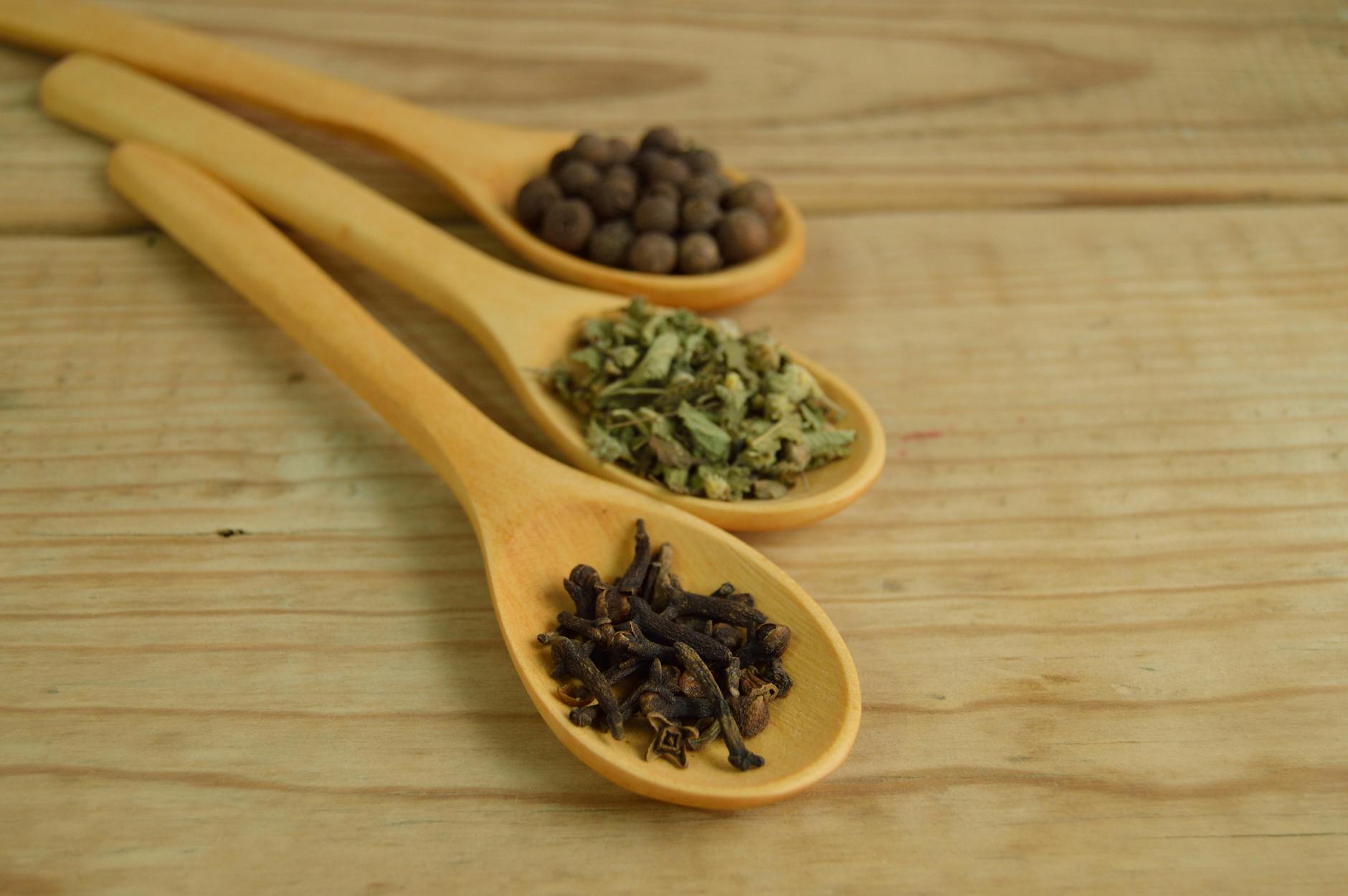
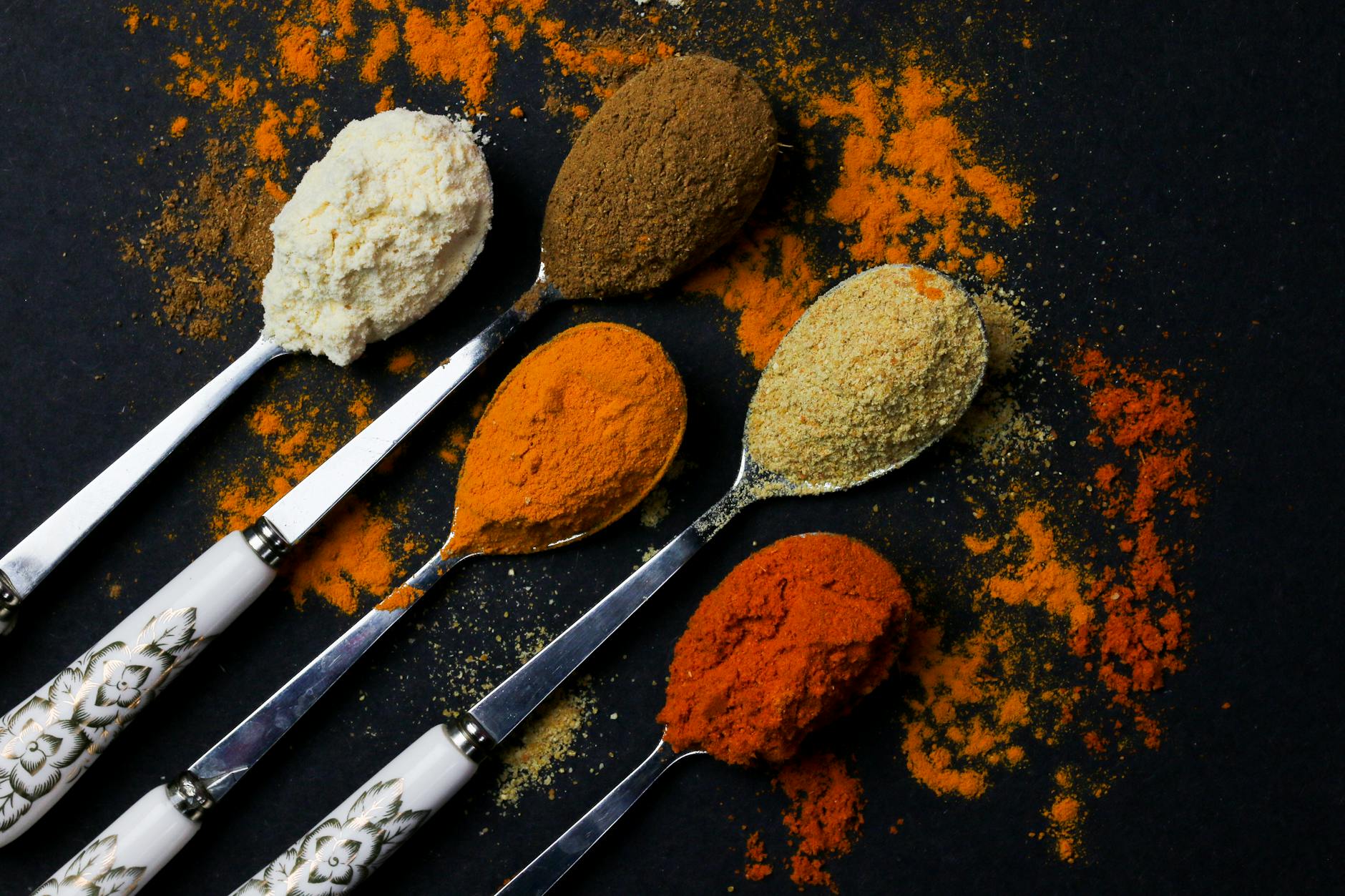
The most sustainable way to use herbs and spices for brain health is to integrate them into regular cooking rather than relying solely on supplements. Turmeric and black pepper together in a curry or roasted vegetable dish, fresh rosemary in olive oil-based cooking, sage in butter sauces or stuffing, and cinnamon in oatmeal or coffee are all realistic, low-effort options that do not require purchasing separate products. Ginger tea is another daily habit that is inexpensive, widely available, and easy to maintain. For those considering supplements, the comparison between food-based and supplement-based intake involves real tradeoffs. Supplements can deliver standardized doses — a particularly relevant factor for compounds like curcumin, which is difficult to consume in therapeutically significant amounts through food alone. A standard turmeric supplement may contain 500mg of curcumin, while a teaspoon of turmeric powder contains roughly 200mg, with much of it poorly absorbed.
On the other hand, whole-food consumption provides synergistic compounds and fiber that supplements do not replicate. For general brain health maintenance in otherwise healthy adults, food-based intake is a reasonable starting point. For individuals with existing cognitive impairment or a strong family history of dementia, discussing a standardized supplement protocol with a physician is worth considering. Cinnamon deserves specific mention for its effect on cerebral blood flow. Increased blood flow to the brain is associated with improved memory, particularly in older adults and those with mild cognitive impairment. Adding cinnamon to a morning routine — in coffee, yogurt, or porridge — is one of the simplest dietary adjustments possible. True Ceylon cinnamon is generally preferred over cassia cinnamon for regular use, as cassia contains higher levels of coumarin, which can affect liver function in large quantities.
Ashwagandha and Bacopa — What Does the Newer Research Show?
Ashwagandha (Withania somnifera) has attracted growing research interest in the context of cognitive function and stress-related cognitive impairment. Research published in 2025 shows that both acute and repeated ashwagandha supplementation produces measurable improvements in cognitive function and mood markers. Stress is a documented contributor to accelerated cognitive decline, and ashwagandha’s well-established adaptogenic properties — its ability to modulate the physiological stress response — may partly explain its cognitive benefits. This makes it a particularly relevant option for caregivers and individuals experiencing chronic stress alongside cognitive concerns. Bacopa monnieri, also known as brahmi in Ayurvedic medicine, is classified as a prominent natural nootropic with a documented phytochemical profile supporting cognitive enhancement.
Recent reviews of natural nootropics published in 2025 place both bacopa and ginkgo biloba among the most evidence-backed botanical options. Bacopa’s effects are thought to develop over weeks of consistent use rather than acutely, which means short-term trials may underestimate its effects — and consumers looking for immediate results may be disappointed. A key warning applies to both of these herbs: interactions with medications are possible. Ashwagandha may interact with thyroid medications, immunosuppressants, and sedatives. Bacopa may interact with anticholinergic drugs — the very class of medications sometimes involved in Alzheimer’s care. Anyone on prescription medication for cognitive or neurological conditions should consult a physician before adding these herbs as supplements, not just as occasional culinary ingredients.

The Science Behind Polyphenols and Neuroinflammation
The broad neuroprotective effects observed across many of these herbs and spices share a common underlying mechanism: polyphenol activity. Polyphenols — including flavonoids, phenolic acids, stilbenes, and lignans — are bioactive compounds found throughout the plant kingdom. In the brain, they work by regulating microglial activation. Microglia are the brain’s resident immune cells, and their chronic overactivation is now recognized as a significant driver of neurodegeneration.
Polyphenols suppress the pro-inflammatory cytokines that sustain this damaging activation and simultaneously reduce oxidative stress at the cellular level. A 2025 paper published in Frontiers in Nutrition addresses this mechanism specifically in the context of dietary herbal products and chronic neuroinflammation. This shared mechanism helps explain why a broadly varied herb and spice intake — rather than relying on any single ingredient — is likely to produce the most meaningful effect. Turmeric, rosemary, sage, and ginger each contribute different polyphenol profiles, and their combined presence in a diet shaped by Mediterranean or Asian culinary traditions may explain why those dietary patterns are consistently associated with better cognitive aging outcomes in population research.
What the Evidence Tells Us — and Where It Stops
The honest summary of the current science is this: several herbs and spices have genuinely impressive evidence behind them, and none of the leading candidates is implausible or fringe. But claims that any herb can “reverse dementia” or halt neurodegeneration once it is established are not supported by the primary trial data. The strongest clinical evidence — saffron’s performance against memantine and donepezil, sage’s cholinergic effects in human trials — applies to slowing cognitive decline and supporting cognitive function, not reversing structural brain damage.
What the next generation of research is beginning to address is long-term prevention: whether consistent consumption of these herbs and spices over years or decades can meaningfully reduce the risk of developing Alzheimer’s or other dementias in the first place. The 2025 systematic reviews and mechanistic studies suggest the biological plausibility is strong. As larger, longer trials are completed, the practical recommendations for clinicians and the public will become considerably more specific. For now, incorporating these herbs into a varied, plant-rich diet represents a low-risk, evidence-consistent approach to brain health across the lifespan.
Conclusion
Among all the herbs and spices currently studied for brain health, saffron and sage carry the strongest clinical trial evidence in human subjects, followed closely by turmeric for its mechanistic and population-level data, and ginger for its documented effects on cognition in middle-aged adults. Rosemary, cinnamon, ashwagandha, bacopa, and ginkgo biloba each add further dimensions to a dietary approach grounded in anti-inflammatory and neuroprotective mechanisms. None of these should be understood as treatments for dementia, but all of them represent meaningful, evidence-based additions to a brain-healthy lifestyle.
The most practical next step is not to purchase a long list of supplements but to look at existing cooking habits and identify where these ingredients fit naturally. A curry made with turmeric and black pepper, rosemary added to roasted vegetables, cinnamon in morning coffee, and ginger in tea cover several of these bases without significant cost or effort. For anyone with a personal or family history of dementia who is considering targeted supplementation — particularly of saffron, sage, or ashwagandha — a conversation with a physician or neurologist familiar with the current evidence is the appropriate starting point before making dose-specific decisions.
Frequently Asked Questions
Is saffron really as effective as Alzheimer’s medication?
Clinical trials have found saffron extract to be comparable — not superior — to donepezil and memantine in slowing cognitive decline. This does not mean saffron should replace prescribed medication. It means that its effects were statistically similar within the scope of those specific trials. Anyone managing an Alzheimer’s diagnosis should not discontinue medication without medical guidance.
How much turmeric do you need to eat to get brain benefits?
This is genuinely difficult to answer precisely. Curcumin bioavailability is poor without piperine (black pepper), and therapeutic doses used in research are often delivered through standardized supplements rather than food. Regular consumption of turmeric in cooking — particularly with black pepper — is unlikely to cause harm, and observational evidence suggests benefit, but the dose-response relationship in humans is still being studied.
Can these herbs prevent dementia?
The current evidence does not support a claim that any herb or spice prevents dementia. What the research shows is that several of these compounds reduce neuroinflammation, oxidative stress, and amyloid formation — all of which are mechanisms involved in neurodegeneration. Whether consistent long-term intake meaningfully reduces dementia risk at a population level is a question that ongoing longitudinal research is beginning to address.
Are there any safety concerns with taking these herbs as supplements?
Yes. Ashwagandha may interact with thyroid medications, sedatives, and immunosuppressants. Bacopa may interact with anticholinergic drugs. Cassia cinnamon in large amounts poses a liver risk due to coumarin content. Saffron in very high doses (well above culinary amounts) has been associated with adverse effects. Anyone on prescription medication, particularly for neurological or thyroid conditions, should consult a physician before beginning herbal supplements.
Which herb is best for a healthy person who wants to protect their brain long-term?
There is no single best answer, but the combination of turmeric with black pepper, rosemary, and sage in regular cooking, alongside ginger and cinnamon, represents a practical, evidence-informed approach. For supplementation specifically, bacopa monnieri and ashwagandha have the most current research support for healthy adults seeking cognitive maintenance and stress resilience.