The best exercises for balance and strength in seniors are a combination of resistance training, balance work, and core strengthening — used together, they are significantly more effective than any single approach alone. Research consistently shows that combined training programs reduce fall rates by 30 to 40 percent compared to control groups, and in community-dwelling older adults, well-structured programs can cut falls by up to 50 percent. The specific movements with the strongest evidence behind them include single-leg balance holds, resistance exercises targeting the lower limbs, tai chi, core training, and gait exercises.
For someone like a 72-year-old who has had one fall and is beginning to hesitate on stairs, this combination — done two to three times per week — represents the clearest path forward based on current clinical evidence. This article covers why the combination approach outperforms single-exercise types, which specific exercises are supported by clinical guidelines and recent research, how to think about frequency and intensity, and what the latest 2025 findings add to the picture. It also addresses the role of tai chi and yoga, the emerging evidence on core training, and practical considerations for people working within real-world limitations.
Table of Contents
- Why Do Balance and Strength Training Matter So Much for Older Adults?
- What Does the Evidence Say About Strength Training Specifically?
- Which Balance Exercises Have the Strongest Clinical Support?
- How Does Core Training Fit Into a Senior Exercise Program?
- What Are the Risks and Limitations of Common Senior Exercise Programs?
- What Role Does Technology Play in Balance Rehabilitation?
- How Is the Evidence Base for Senior Exercise Evolving?
- Conclusion
- Frequently Asked Questions
Why Do Balance and Strength Training Matter So Much for Older Adults?
Falls are among the most serious and preventable health threats facing older adults. One in three adults aged 65 and older falls each year, and among those who fall, roughly half fall again. The incidence rises with age — falling affects 28 to 35 percent of adults aged 60 and above, and that figure climbs to 42 percent in adults over 70. These are not minor events. Falls are a leading cause of injury-related hospitalization and death in this age group, and fear of falling compounds the problem by leading to reduced activity, which in turn accelerates the loss of strength and balance that made falls more likely in the first place.
What makes exercise particularly valuable here is that it targets the underlying physiological causes of falls rather than just managing their aftermath. Muscle weakness in the lower limbs, poor postural control, and reduced reaction time all contribute to instability. Strength training addresses muscle loss directly, while balance exercises retrain the neuromuscular pathways that allow rapid correction when someone starts to tip. Neither does the full job alone. Balance training has the lowest relative risk for fall events when compared with resistance training used in isolation — but the two together are more effective than either separately. The comparison matters practically: if a senior can only commit to one type of exercise, balance training has the edge for fall prevention, but the goal should always be to work toward a combined program.
What Does the Evidence Say About Strength Training Specifically?
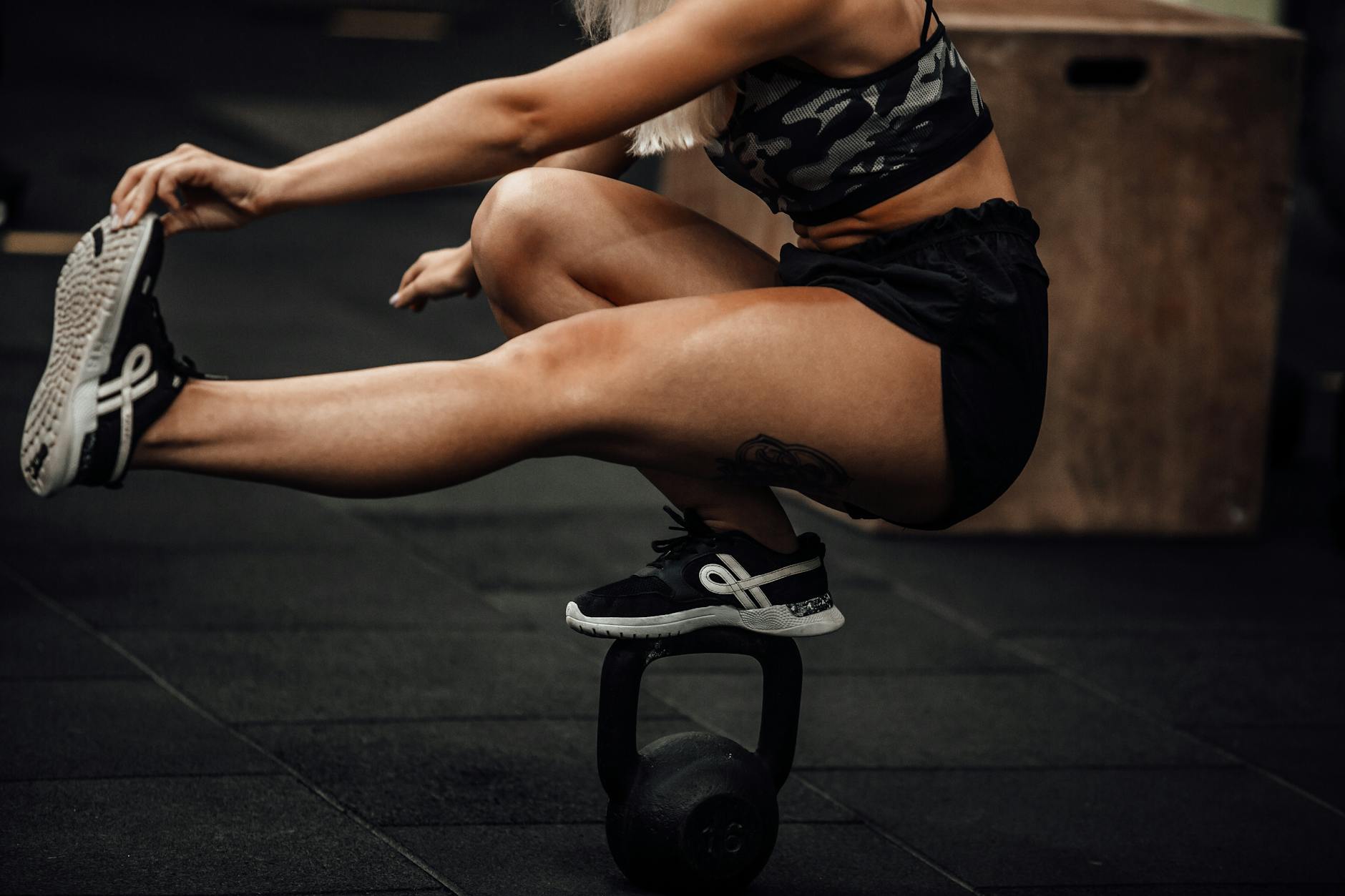
Resistance training done two to three times per week, with sessions of approximately 45 minutes each, represents the optimal frequency for both fall prevention and cognitive benefits in older adults. A 2025 meta-analysis found that strength training at this frequency produced the strongest effect on cognitive function in seniors — stronger than aerobic exercise alone. This is a meaningful finding for a dementia care context: exercise that builds leg strength and reduces falls is also, done consistently, exercising the brain. The mechanisms overlap more than they might appear to.
Resistance training increases muscle mass and strength in the lower limbs, which directly improves postural stability. It also increases bone density, which reduces injury severity when falls do occur. However, if an older adult has significant joint pain, osteoporosis-related fracture risk, or cardiovascular contraindications, starting a strength program without medical clearance is not appropriate. The evidence supports the benefits clearly, but it assumes exercises are performed with proper form and appropriate load. A chair-based resistance routine for someone with moderate frailty looks very different from a dumbbell program for an active 65-year-old, and both can be effective if matched correctly to the individual.
Which Balance Exercises Have the Strongest Clinical Support?
The American Geriatrics Society and British Geriatrics Society both include gait training, resistance exercises, and dedicated balance exercises in their clinical recommendations for fall prevention. Among specific movements, single-leg balance holds are among the most studied and replicated. Standing on one leg for 10 to 30 seconds — with a chair or wall within reach for safety — directly challenges the postural control system. The one-leg standing test is also used clinically as a marker of fall risk, and multiple intervention studies use improvements in this measure as a primary outcome.
Tai chi has a particularly strong evidence base. Multiple randomized controlled trials have documented its effectiveness for improving balance, gait, and fall rates in older adults. It combines slow, controlled movement with weight shifting and mental focus, making it simultaneously a balance intervention, a coordination exercise, and a cognitive engagement activity. For a senior who dislikes traditional gym-based exercise or has limited access to equipment, a community tai chi class is one of the most well-supported alternatives available. Yoga has also shown benefits — 12-week yoga programs have produced significant improvements in static balance, flexibility, muscle strength, and one-leg standing test performance — though the evidence base for yoga is somewhat less extensive than for tai chi.
How Does Core Training Fit Into a Senior Exercise Program?
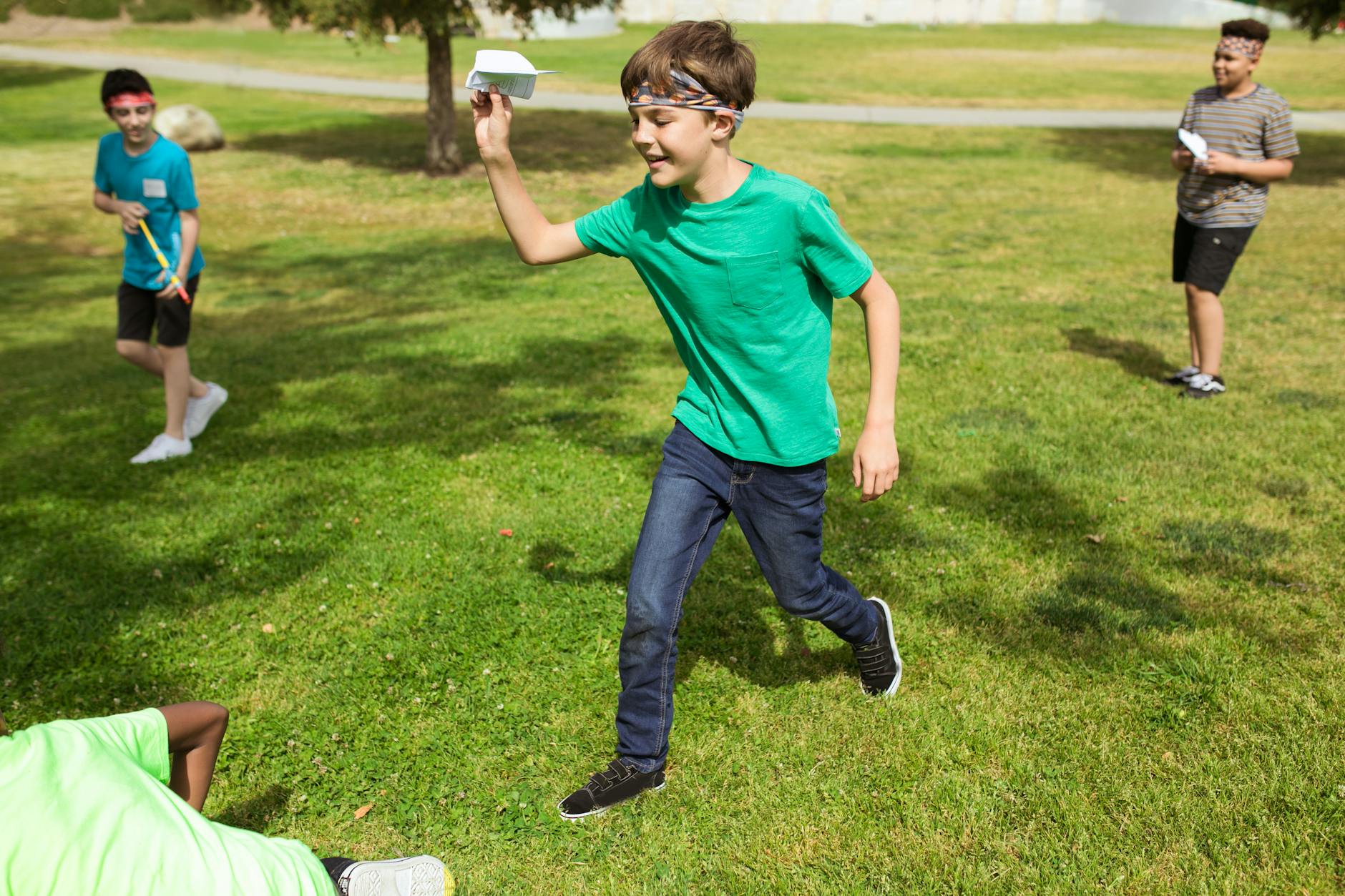
Core training has not always received the same attention as lower limb strength or balance work, but the evidence for its role in fall prevention has grown substantially. A 2025 systematic review published in Frontiers in Public Health confirmed that core exercises produce significant balance improvements in older adults. The core musculature — the abdominals, back extensors, hip stabilizers, and pelvic floor — forms the foundation from which all movement originates. Weakness there means that even strong legs are working against an unstable base.
Practically, core work for older adults does not mean the kind of intense floor-based exercises common in younger fitness populations. Seated abdominal contractions, standing hip abduction with a support, modified planks against a wall, and bird-dog variations on a padded surface are all accessible and effective options. The tradeoff compared to lower limb strength training is that core work is less directly linked to improvements in gait speed, which is a commonly used functional outcome measure. A 2025 network meta-analysis found that combined training — stretching plus lower limb strength work — was the most effective approach for improving single-leg standing performance and gait speed specifically. Core training supports the overall system but probably should not replace lower limb work as the primary focus.
What Are the Risks and Limitations of Common Senior Exercise Programs?
Even well-designed programs carry practical limitations. Home-based exercise programs, for example, depend on consistency in a way that supervised programs do not. A February 2025 randomized controlled trial published in Annals of Medicine examined home-based strength and balance training delivered via sports video training in adults aged 80 and older. Participants doing three or more sessions per week of at least 30 minutes each improved postural control and grip strength — a meaningful finding for the oldest old, who are often excluded from research. However, adherence to unsupervised home programs tends to decline over time, and the quality of the exercise matters as much as the quantity. A person performing a single-leg stand incorrectly while holding a wall may be getting limited benefit.
There is also a risk of overconfidence following short-term improvements. Seniors who complete a fall prevention program and see improvement in their balance sometimes reduce other precautionary behaviors — removing grab bars, stopping the use of a walking aid — on the assumption that the risk has been resolved. It has not been eliminated; it has been reduced. The gains from exercise programs are also largely dependent on continued participation. Stopping training for several weeks typically results in meaningful deconditioning, which is why embedding these exercises into a sustainable weekly routine matters more than completing any specific program. An additional warning applies to individuals with significant cognitive impairment: some balance exercises that require focused attention on postural control may need modification or additional supervision for safety.

What Role Does Technology Play in Balance Rehabilitation?
Virtual reality gait training has emerged as a legitimate clinical tool, with evidence showing it outperforms traditional gait training for improving single-leg support ability in older adults. VR-based systems can create challenging environments — simulated uneven terrain, crowds, or distractions — that are difficult to replicate safely in a clinic or home setting. They also provide immediate feedback and can make repetitive exercises more engaging, which supports adherence.
The practical barriers remain real. Cost, technology access, and the need for some level of technical comfort limit who can currently benefit from these approaches. But they signal an important direction: exercise interventions that incorporate cognitive demands — whether through VR, dual-task training, or movement practices like tai chi — appear to produce better outcomes than purely physical exercise. This is especially relevant for older adults concerned about cognitive decline, where the overlap between brain health and physical training offers a meaningful area of focus.
How Is the Evidence Base for Senior Exercise Evolving?
The research picture as of 2025 and 2026 is more detailed and more practically useful than it was even five years ago. Network meta-analyses now allow researchers to compare multiple exercise types simultaneously rather than just against a control group, which is producing clearer guidance about what works best for which outcome. Combined training leads for gait speed and gait stability. Balance training leads for fall event risk.
Strength training leads for cognitive outcomes. Core training contributes to overall balance. Tai chi and yoga contribute to both physical and cognitive dimensions. What remains less well studied is how to best sequence these interventions — whether starting with one type and adding others produces better outcomes than beginning all together — and how recommendations should be individually tailored for people with mild cognitive impairment, multiple chronic conditions, or significant frailty. The trajectory of the evidence strongly supports exercise as a cornerstone of healthy aging and dementia risk reduction, and the specificity of current recommendations makes it more actionable than ever.
Conclusion
The most effective approach to balance and strength training for seniors combines resistance work targeting the lower limbs, dedicated balance exercises such as single-leg holds and tai chi, and core strengthening — done consistently at two to three sessions per week. The evidence is clear that no single exercise type matches this combination for reducing falls, improving functional mobility, and supporting cognitive health. Recent research including a 2025 RCT in adults over 80 confirms these benefits extend even to the oldest age groups, which has historically been a gap in the literature.
For anyone beginning this kind of program, the priority is consistency and safety over intensity. Starting with supported balance work, building strength gradually, and working toward unsupported movements over weeks and months reflects both the research and common sense. Given the cognitive benefits that emerge particularly from strength training at adequate frequency, these exercises deserve a place in any practical plan for maintaining brain health and independence in later life.
Frequently Asked Questions
How often should seniors do balance and strength exercises?
The evidence supports two to three sessions per week for strength training, with each session lasting approximately 45 minutes. Balance exercises can be incorporated into those sessions or practiced briefly on additional days. Consistency over time matters more than any single session.
Is tai chi actually effective, or is it just popular?
Tai chi has one of the strongest evidence bases among all exercise types for fall prevention in older adults. Multiple randomized controlled trials have documented meaningful improvements in balance, gait, and fall rates. It is not simply popular — it is clinically supported.
Can someone in their 80s still benefit from these exercises?
Yes. A February 2025 randomized controlled trial specifically studied adults aged 80 and older doing home-based strength and balance training and found significant improvements in postural control and grip strength in those completing three or more sessions per week.
What if someone cannot do floor exercises due to joint pain or mobility limitations?
Many effective exercises can be done seated or standing with chair support. Wall push-ups, seated abdominal contractions, and chair-assisted single-leg stands are all clinically recognized options. Adapting exercises to individual capacity is standard practice in geriatric rehabilitation.
Does exercise also help with cognitive decline, or is it only physical?
Both. A 2025 meta-analysis found that strength training at the recommended frequency had the strongest effect on cognitive function in seniors — greater than aerobic exercise alone. Exercise programs that also incorporate cognitive demands, such as tai chi or virtual reality training, show particularly strong outcomes on both fronts.
How long does it take to see improvements in balance?
Research trials typically show measurable improvements within 8 to 12 weeks of consistent training. Yoga studies using 12-week programs, for example, showed significant gains in static balance and one-leg standing performance. Sustained improvement requires ongoing participation.