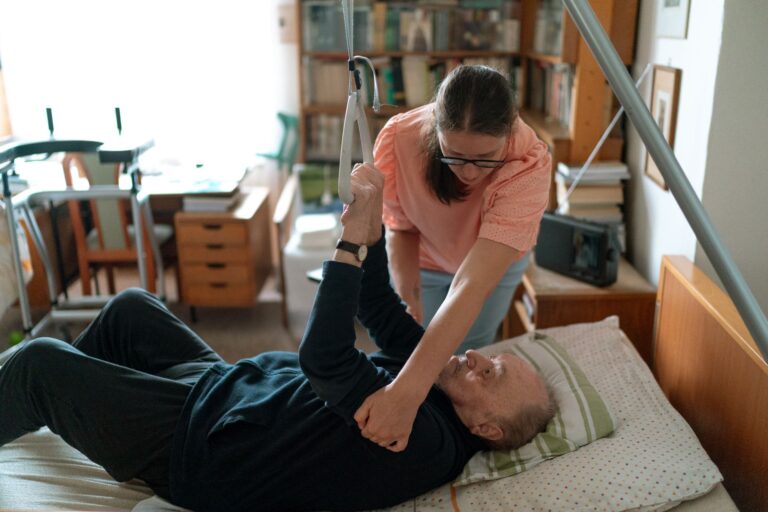
Aging lifters sits at the center of this dementia and brain health question.
As lifters age, maintaining mobility becomes a key focus to ensure they stay strong, independent, and injury-free. Aging muscles and joints require a thoughtful approach to training that balances strength with flexibility and recovery.
**Focus on Functional Strength**
Strength training remains essential for older lifters—not just to build muscle but to support overall health. Exercises that engage multiple muscle groups and mimic everyday movements help maintain balance, coordination, and joint health. For example:
– Assisted chin-ups strengthen the upper body.
– Bulgarian split squats target the lower body unilaterally, improving balance.
– Farmer’s carries enhance grip strength while promoting core stability.
These moves collectively improve posture and joint function while boosting metabolic health by enhancing insulin sensitivity and reducing inflammation.
**Incorporate Balance Training**
Balance tends to decline with age, increasing fall risk. Simple exercises like single-leg standing balance can train your body’s neuromuscular system—engaging hips, ankles, legs, and core—to maintain stability. Standing on one leg for about 30 seconds per side helps prevent falls by improving control in daily activities.
**Prioritize Mobility Workflows**
Mobility flows designed specifically for weightlifters can keep hips flexible—a crucial area often tight in aging athletes—which supports better lifting mechanics and reduces injury risk. Regularly practicing controlled stretches or yoga-inspired flows improves range of motion without sacrificing strength gains.
**Adjust Training Volume & Recovery**
Older lifters need more recovery time between sessions compared to younger athletes because their bodies repair more slowly. Training frequency might be reduced—for some seniors even once a week is effective if done consistently with appropriate intensity. Emphasizing quality over quantity allows muscles and joints time to heal while still stimulating growth.
A balanced weekly routine could include:
– One day focused on deadlifts
– Another day dedicated to squats
– A third day for overhead presses
Each session targets major lifts but spaced out enough for full recovery before the next workout.
**Listen To Your Body**
The right program varies individually based on injury history, fitness level, and lifestyle demands. Consistency matters most—gradually increasing weights in small increments (like 2–5 pounds) ensures steady progress without overwhelming joints or connective tissues.
By combining functional strength exercises with balance drills, mobility routines tailored for lifters’ needs, sensible training frequency emphasizing recovery—and mindful progression—aging lifters can stay mobile well into later years while enjoying the benefits of lifelong strength training.
For more, see Alzheimer’s Association — caregiving.