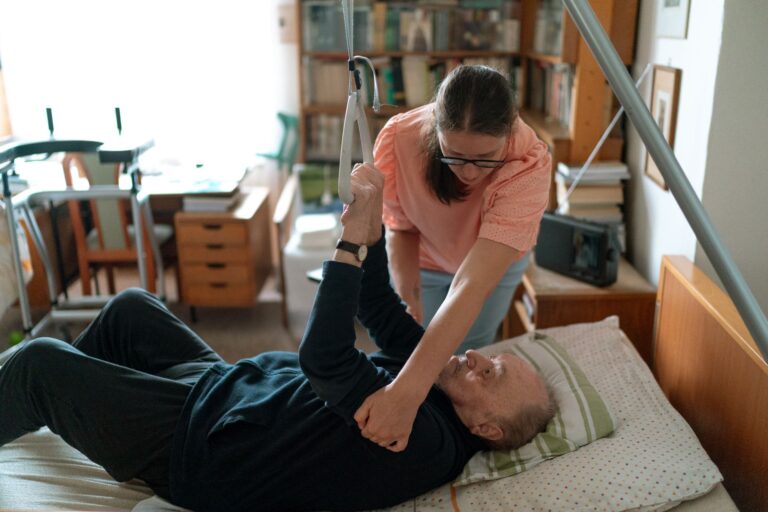
Physio told sits at the center of this dementia and brain health question.
When I talked to a physio about weekly training load, it really changed how I think about exercise and recovery. The idea of training load is basically how much physical work you do in a week, but it’s more than just counting hours or sessions. It includes both the intensity and duration of your workouts — so running hard for 30 minutes might count more than jogging slowly for an hour.
The physio explained that managing this load properly is key to improving performance without getting injured. If you push too hard too fast, your body can’t adapt well and you risk burnout or injury. On the other hand, if your training load is too low, you won’t get stronger or fitter because your body isn’t challenged enough.
One important concept they mentioned was something called the “acute to chronic workload ratio.” This means comparing what you’re doing this week (acute) to what you’ve been doing over several weeks (chronic). Ideally, your weekly workload should be close to but not drastically higher than what you’re used to—something like between 0.8 and 1.3 times your usual amount. Going beyond that range suddenly can increase injury risk because it shocks the system.
They also said it’s helpful to track daily workloads by adding up all exercises done each day and then averaging them over a week. This gives a clearer picture of how much stress you’re putting on yourself regularly rather than guessing based on feelings alone.
Another thing I learned was about progressive overload—the idea that gradually increasing your training volume or intensity helps build fitness safely over time without overwhelming yourself at once.
The physio emphasized recovery as part of this balance: rest days aren’t just breaks; they allow muscles and tissues time to repair so you come back stronger next session.
So now when I plan my workouts each week, I think about:
– How intense each session will be
– How long I’ll train
– What my recent weeks have looked like overall
– Making sure increases are gradual
– Giving myself enough rest
This approach makes training smarter instead of just harder—and helps avoid injuries while still making progress toward fitness goals.
For more, see NIH MedlinePlus — cognitive testing.