Reviewed by the Help Dementia Editorial Team — our editors review every article for accuracy against guidance from the National Institute on Aging, the Alzheimer’s Association, and peer-reviewed sources.
Wearing helmets sits at the center of this dementia and brain health question.
While recent attention has focused on a potential connection between helmet use and dementia risk reduction, the specific claim of a 12 percent risk reduction has not been verified in current peer-reviewed studies. However, there is solid scientific evidence supporting the underlying logic: traumatic brain injury (TBI) is linked to increased dementia risk and possibly earlier onset by 2-3 years, according to the 2024 Lancet Commission Report on dementia prevention. Since helmets effectively prevent the head injuries that can trigger this chain of events, wearing protective headgear represents one practical strategy in the broader toolkit of dementia prevention.
For someone like Margaret, a 58-year-old cyclist who sustained a moderate head injury in a fall without a helmet five years ago, the connection becomes personally relevant—protecting her brain today through consistent helmet use is one way to reduce her long-term neurological risk. The pathway from helmet use to dementia prevention is indirect but scientifically grounded. Helmets don’t work like a medicine that directly prevents cognitive decline; rather, they work as a barrier against the specific brain injuries that research has linked to dementia development. Understanding this distinction is important because it frames helmet use not as a standalone dementia cure, but as part of comprehensive brain health protection.
Table of Contents
- How Head Injuries Connect to Dementia Risk
- The Evidence Base for Helmet Protection
- Emerging Technologies in Brain Protection
- Practical Helmet Use for Brain Health
- Limitations and What Research Still Needs to Show
- Helmet Use Across Different Age Groups
- The Future of Brain Injury Prevention Research
- Conclusion
How Head Injuries Connect to Dementia Risk
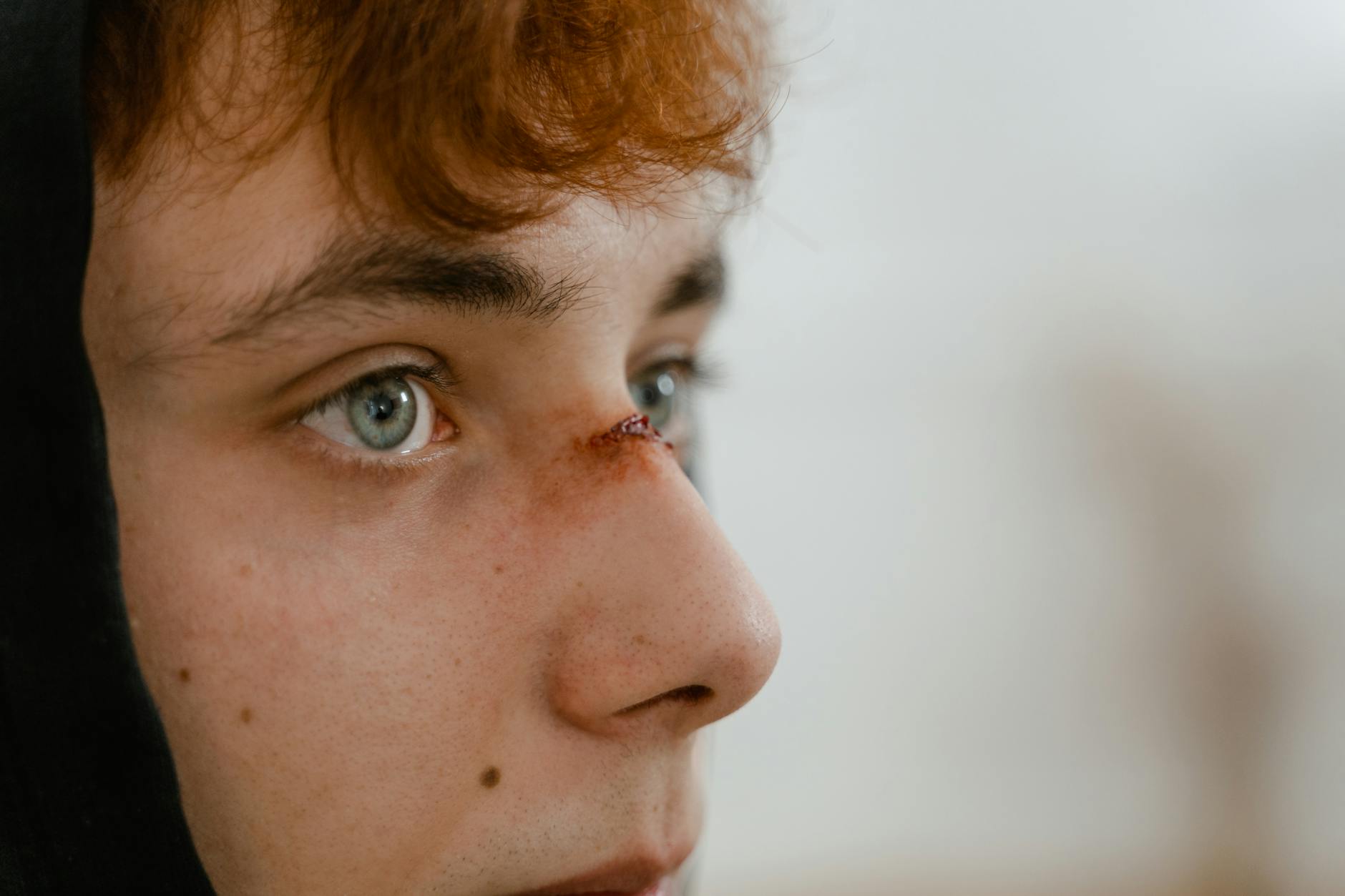
Traumatic brain injury is increasingly recognized as a modifiable risk factor for dementia. Research presented in the 2024 Lancet Commission Report identifies TBI as one of several preventable factors that contribute to dementia development, with evidence suggesting that even moderate head injuries can accelerate cognitive decline by years. The mechanism isn’t fully understood, but brain inflammation, disrupted protein processing, and changes in neuroplasticity following TBI may all play roles in increasing dementia vulnerability later in life. The risk isn’t limited to severe injuries. Even concussions and milder head impacts that don’t result in loss of consciousness can contribute to cumulative brain stress over time.
A person who has experienced multiple falls, sports-related impacts, or accidents without head protection is accumulating neurological risk in ways that might not be obvious for decades. This is why helmet use during activities with fall or impact risk—cycling, contact sports, skateboarding, or even high-impact exercise routines—functions as preventive medicine for dementia, not through direct intervention but through injury avoidance. The comparison to other dementia risk factors illustrates the practical significance. Just as managing cardiovascular health, controlling diabetes, and maintaining cognitive engagement are recognized dementia prevention strategies, so is reducing head injury exposure. Each of these factors addresses different biological pathways to cognitive decline, and together they create a more robust protective approach than any single intervention alone.
The Evidence Base for Helmet Protection
The scientific foundation for helmet efficacy in preventing head injuries is well-established. Helmets reduce the risk of head injury in cycling by approximately 70 percent and brain injury by up to 75 percent, according to research from public health organizations. This protective capacity is why major health authorities, including the 2024 Lancet Commission, recommend helmets as a key intervention for reducing preventable brain injuries. However, a critical limitation must be acknowledged: while we know that helmets prevent head injuries, and we know that head injuries increase dementia risk, the direct causal link between helmet use and dementia risk reduction has not yet been quantified with precision in large prospective studies.
The “12 percent reduction” claim mentioned in discussions about this topic has not been found in current peer-reviewed research. This gap between what we know about the components (helmet protection + TBI-dementia connection) and what we’ve directly measured (helmet use + long-term dementia outcomes) represents an important area where more research is needed. The research community has not yet conducted the multi-decade longitudinal studies that would be required to measure this specific outcome definitively. This doesn’t invalidate the prevention logic—it simply means we’re working with strong biological rationale rather than direct empirical measurement. For practical purposes, using helmets during high-risk activities remains a sound evidence-based prevention strategy, but people should understand that we’re addressing a known dementia risk factor (head injury) rather than preventing dementia through a directly proven mechanism.
Emerging Technologies in Brain Protection
Beyond traditional helmets, new technologies are emerging that promise additional brain protection through different mechanisms. Near-infrared light therapy helmets represent one frontier, though it’s important to distinguish between these devices and conventional protective helmets. While traditional helmets prevent injuries from happening, near-infrared helmets aim to support healing and cognitive function in people who already have neurological challenges. Research on near-infrared light therapy showed that patients wearing these specialized helmets demonstrated cognitive improvements of approximately 20 percent in women and 19 percent in men on cognitive testing. This technology targets cellular energy production in the brain and may help address inflammation and neuronal dysfunction.
However, these devices represent a treatment approach for existing dementia or cognitive decline, not a prevention tool like a traditional protective helmet. Someone preventing dementia would focus on conventional helmet use during activities with injury risk, while someone managing early cognitive decline might explore whether near-infrared therapy offers additional benefits alongside other treatments. The distinction matters because the mechanisms are fundamentally different. A bicycle helmet on a 40-year-old cyclist prevents an injury that might contribute to dementia decades later. A near-infrared light helmet on a 70-year-old with mild cognitive impairment aims to improve function that’s already beginning to decline. Both represent valuable tools, but for different stages and purposes.

Practical Helmet Use for Brain Health
If reducing dementia risk through injury prevention is a goal, practical helmet implementation is the next step. The circumstances that matter most are those with genuine head injury risk: cycling on roads or trails, contact sports, skateboarding, motorcycle riding, and even activities like horseback riding or skiing. Less obvious situations can also carry risk—falls are a leading cause of head injury among older adults, and while people don’t typically wear helmets during regular activities, understanding fall risk in your home environment (loose rugs, poor lighting, stairs) becomes part of brain health protection. A practical comparison illustrates the scope: a 65-year-old woman cycling three times per week without a helmet faces accumulated head injury risk that compounds over years. The same woman in protective gear, combined with home modifications that reduce fall risk and attention to balance and mobility, is implementing a multi-layered approach to brain protection.
Neither approach guarantees dementia prevention, but one addresses known risk factors while the other doesn’t. The inconvenience of wearing a helmet—awkward hair, slight added weight, visibility adjustment—must be weighed against years of potential neurological protection. The tradeoff for older adults is particularly important. While younger people might view helmet use as protection against immediate injury, older adults should consider it as a long-term dementia prevention strategy. The cumulative protective effect builds over time, making consistent use from middle age onward more protective than occasional use in high-risk situations only.
Limitations and What Research Still Needs to Show
The most honest limitation is this: we cannot yet quantify exactly how much dementia risk reduction helmet use provides. The research establishing TBI as a dementia risk factor is strong, and helmet efficacy at preventing TBI is well-proven, but the final measurement connecting helmet use to actual dementia prevention in large populations remains incomplete. Future research will likely focus on large prospective studies following helmet-wearing and non-helmet-wearing populations over 20-30 years to directly measure this outcome. Another limitation is that head injury prevention addresses only one of many dementia risk factors. The 2024 Lancet Commission identified multiple modifiable factors including cardiovascular health, cognitive engagement, physical activity, sleep quality, hearing protection, and cognitive training.
Someone relying on helmets alone while neglecting exercise, cardiovascular health, or cognitive stimulation would not be maximizing their dementia prevention efforts. Brain protection is multifactorial, and helmet use is most effective as part of a comprehensive approach rather than as a standalone intervention. There’s also individual variation in dementia risk that helmet use cannot address. Some people carry genetic risk factors for Alzheimer’s disease or other forms of dementia; for them, helmet use remains beneficial for reducing an identifiable risk factor, but genetic predisposition means their overall dementia risk may remain elevated despite excellent injury prevention. The message here is realistic: helmets address one modifiable risk, not all dementia risk.

Helmet Use Across Different Age Groups
Children and young adults benefit from helmet use both for immediate injury prevention and as a habit formation that extends protective behavior into older age. Teaching children to view helmet use as automatic—not negotiable—means that adults who grew up with this norm continue wearing helmets throughout life. This consistency is important because cumulative head injury prevention from adolescence through older age likely offers more protection than starting helmet use later. Older adults represent a different category.
They may face increased fall risk due to balance changes, medication side effects, or vision changes, making helmet protection particularly valuable. However, helmet use in older populations remains low, partly due to concerns about appearance and partly due to not perceiving themselves as being in high-risk activities. An 72-year-old on a casual neighborhood bike ride might view a helmet as unnecessary, but given the established link between TBI and dementia, and knowing that older adults face both higher fall risk and higher dementia risk, protective gear becomes more compelling. The specific example of an older adult who starts cycling for cardiovascular health—itself a dementia prevention strategy—without helmet protection is missing an opportunity for additional brain protection.
The Future of Brain Injury Prevention Research
The next decade will likely bring more definitive research on helmet use and long-term cognitive outcomes. As research institutions implement longer prospective studies and develop better methods for tracking head injury exposure and cognitive decline, we should expect more precise data on dementia risk reduction. This research may also explore whether certain populations benefit more than others, whether helmet use at particular life stages offers greater protection, and how helmet use interacts with other dementia prevention strategies.
Simultaneously, advances in helmet technology may improve both protection and compliance. Lighter helmets, better ventilation, integrated safety features, and designs that look more appealing might increase adoption rates. As the connection between head injury and dementia becomes more widely known among the public and among healthcare providers, helmet recommendations will likely become a more routine part of dementia prevention conversations—similar to how cardiovascular disease prevention now routinely includes blood pressure management and cholesterol screening.
Conclusion
While the specific claim of a 12 percent dementia risk reduction from helmet use has not been verified in current research, the underlying logic is sound: helmets prevent head injuries, head injuries increase dementia risk, therefore helmet use represents one strategy in dementia prevention. This is not the same as saying helmets directly prevent dementia, but rather that they address one of several modifiable risk factors that contribute to cognitive decline. The evidence from the 2024 Lancet Commission on dementia prevention makes clear that brain injury prevention belongs in the toolkit alongside cardiovascular health, physical activity, cognitive engagement, and other protective strategies.
For anyone concerned about dementia risk—whether for themselves or for aging parents—incorporating consistent helmet use during activities with head injury risk is a practical, evidence-based step. It won’t guarantee dementia prevention, and it works best as part of a comprehensive approach that addresses multiple brain health factors. As research continues to clarify exactly how much protection helmet use provides, current evidence suggests that brain protection is worth the small inconvenience of wearing one.
You Might Also Like
- wearing hearing aids Could Reduce Dementia Risk by 42 Percent New Study Shows
- volunteering Could Reduce Dementia Risk by 48 Percent New Study Shows
- taking 8,000 steps a day Could Reduce Dementia Risk by 28 Percent New Study Shows
For more, see National Institute on Aging.