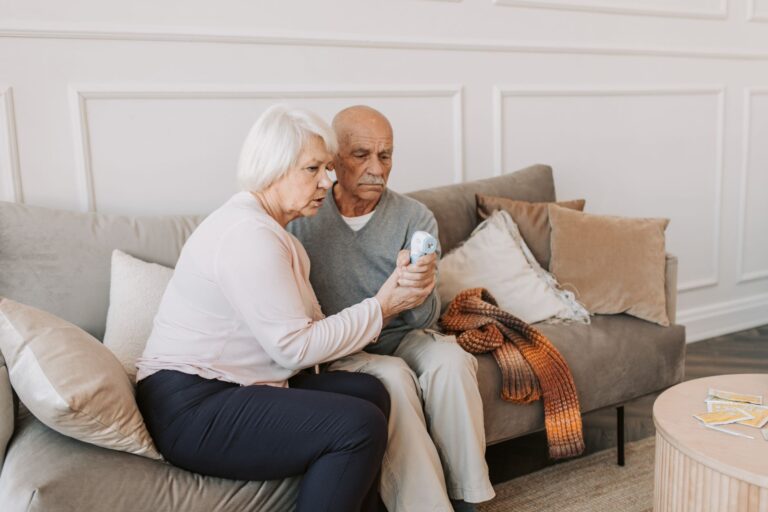
A familiar music session is a planned time to share songs a person with dementia already knows and enjoys. To lead one, choose the music together, remove competing sounds, keep the volume moderate, and invite participation without demanding it. Treat the activity as a chance for comfort and connection, not as a memory test or treatment. A positive session may be as simple as listening quietly to one song together.
Medical information disclaimer: This article is for general educational purposes only and does not provide medical advice, diagnosis, or treatment. Always consult a physician or other qualified health professional about symptoms, medications, tests, or treatment decisions.
Table of Contents
- Choose familiar music with a purpose
- Prepare a low-distraction setting
- Lead the session without pressure
- Adapt to the person's response and abilities
- Keep expectations realistic
Choose familiar music with a purpose
Start with music the person already likes. Ask them to choose when possible, perhaps by offering two songs, artists, or styles rather than an open-ended question. The Alzheimer's Association guidance on music and art recommends familiar selections and an ad-free source because commercial interruptions may cause confusion.
Match the selection to the immediate goal. Tranquil music may suit a calm setting, while a faster childhood song may lift spirits and bring forward happy memories. Prepare a small selection, but begin with one song. The person's response can guide whether you play another, switch styles, or finish.
Prepare a low-distraction setting
Turn off television and other competing audio before starting. Keep the music loud enough to hear comfortably but moderate enough that it does not dominate the room. Choose a time and place where the session can remain enjoyable.
Avoid combining the music with unnecessary questions, instructions, or background conversation. Make participation easy. Sit together for listening, or leave safe space for clapping and dancing if the person enjoys movement.
Lead the session without pressure
Use a simple sequence: Music may cue older autobiographical memories because Alzheimer's initially affects short-term memory while older memories can remain accessible longer. The Alzheimer's Association guidance on reminiscence supports using those memories for connection rather than testing recall.
If a memory emerges, follow the person's lead. Listen to a story or enjoy the emotion without correcting details or asking them to name the singer, year, or event.
- Say what you are about to play.
- Start one familiar song and listen alongside the person.
- Invite singing, clapping, tapping, or dancing without requiring it.
- Notice whether the person wants the music continued, changed, or stopped.
- Offer another song only if the activity remains welcome.
Adapt to the person's response and abilities
Look for the form of engagement available that day. listening quietly, smiling, tapping, humming, or briefly making eye contact can all keep the activity shared without requiring conversation. Music can remain practical in later-stage Alzheimer's.
The Alzheimer's Association notes that some people who have difficulty communicating may still tap a beat or sing lyrics learned in childhood. Do not interpret silence as a failed session. Stay present, keep demands low, and honor any clear wish to change or stop the music.
Keep expectations realistic
Familiar music can create a pleasant moment, but evidence does not show that home sessions reliably reduce lasting dementia symptoms. In the 2023 University of Melbourne-led HOMESIDE randomized trial, trained family caregivers provided music activities for 90 days without a statistically or clinically important reduction in enduring behavioral and psychological symptoms compared with usual care. HOMESIDE session logs were more encouraging about immediate experiences. Music listening combined with another activity was associated with positive shared experiences in 91% of logged uses and reported same-day symptom effects in 76%.
Those observational reports do not overturn the trial's null primary result. A Cochrane review of 22 trials involving 1,097 institutionalized participants found that music-based therapeutic interventions probably reduced depression and overall behavior problems immediately after treatment. However, they had little or no effect on agitation, aggression, cognition, or long-term outcomes, and the findings do not directly establish benefits for informal caregivers at home. Judge each home session by whether it offers a comfortable shared moment, not whether it changes symptoms over time.