Yes, walnuts really do look like miniature brains, and that resemblance is more than a quirky coincidence. Crack open a walnut shell and you will find two wrinkled, folded halves separated by a thin membrane, a near mirror image of the left and right cerebral hemispheres nestled inside a skull. Ancient healers noticed this thousands of years ago and prescribed walnuts for head ailments.
Modern science, using randomized controlled trials and brain imaging, has now confirmed that walnuts deliver measurable cognitive benefits through their omega-3 fatty acids, polyphenols, and antioxidants. The old herbalists got lucky, but they were not entirely wrong. This article traces the strange history of how a nut’s appearance shaped centuries of medical advice, breaks down the specific nutrients that make walnuts genuinely useful for brain health, and examines what the best clinical research actually shows, including where the evidence falls short. Whether you are caring for someone with cognitive decline or simply trying to protect your own brain as you age, understanding what walnuts can and cannot do is worth a few minutes of your time.
Table of Contents
- Why Do Walnuts Look Like a Human Brain?
- The Doctrine of Signatures and Its Limits
- What Nutrients in Walnuts Actually Support the Brain?
- What Do Clinical Trials Say About Walnuts and Cognition?
- Limitations, Warnings, and What Walnuts Cannot Do
- Practical Ways to Include Walnuts in a Brain-Healthy Diet
- Where Walnut Research Is Heading
- Conclusion
- Frequently Asked Questions
Why Do Walnuts Look Like a Human Brain?
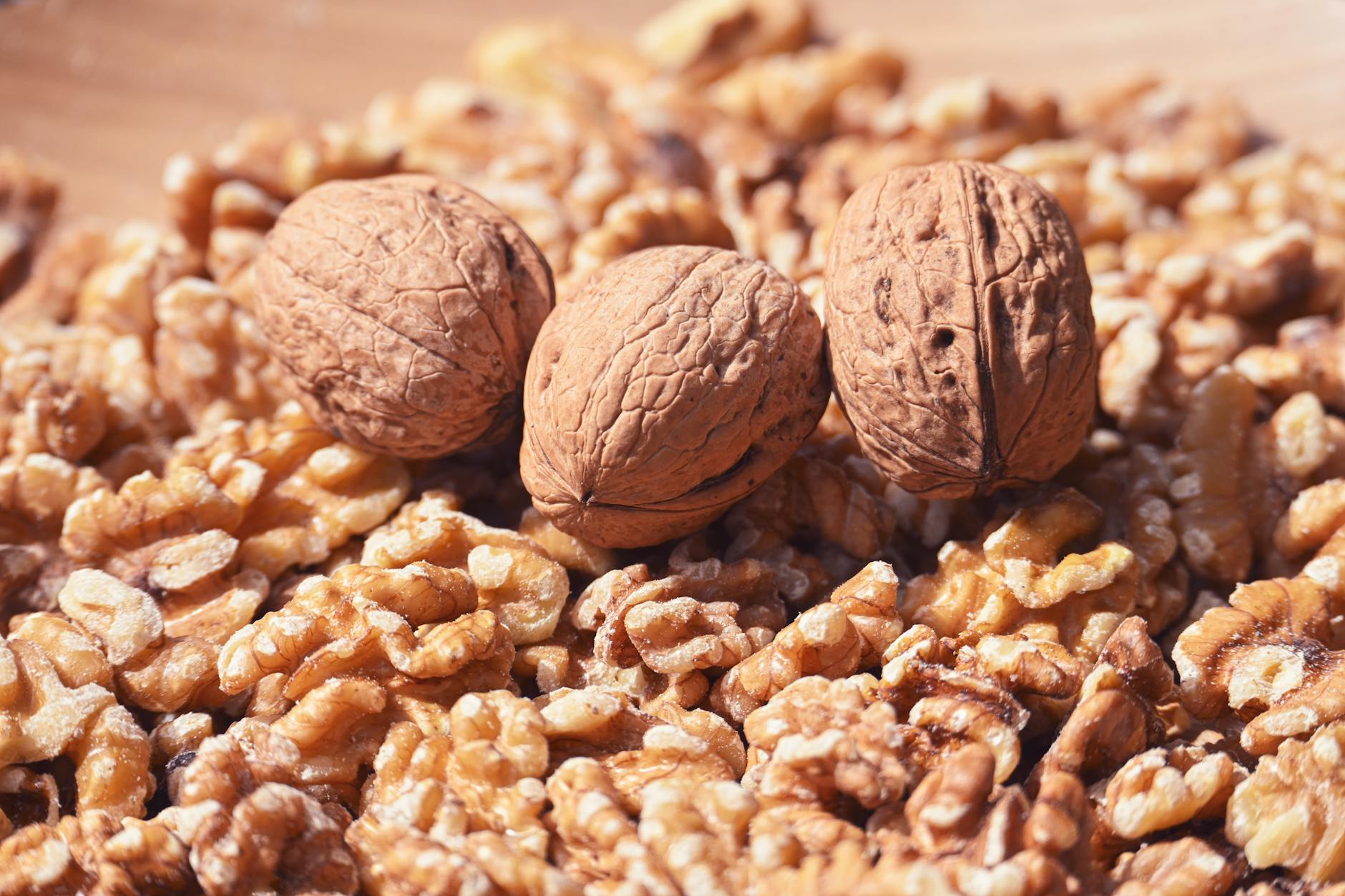
The physical resemblance is striking once you see it laid out. A walnut has a hard outer shell that functions like a skull. Beneath it sits a thin, papery membrane similar to the meninges, the protective layers surrounding the brain. The two halves of the walnut meat mirror the cerebral hemispheres, and the surface folds and ridges closely resemble the gyri and sulci, the ridges and grooves of the human cerebral cortex. Even the slight asymmetry between the two walnut halves echoes the way our own brain hemispheres are not perfectly identical.
This is, of course, a botanical accident. The walnut developed its folded shape to pack maximum surface area into a compact shell, much the same evolutionary pressure that caused the human cortex to fold in on itself. But the resemblance was too obvious for ancient observers to ignore. The Roman physician Dioscorides noted it as early as 65 AD and theorized that fresh walnuts could treat mental conditions. By the Middle Ages, walnuts were routinely prescribed for headaches, madness, and other head ailments, all based on the idea that nature had stamped a clue right on the shell.
The Doctrine of Signatures and Its Limits
The formal name for this belief is the Doctrine of Signatures, a framework popularized in the 1500s by the Swiss physician Paracelsus von Hohenheim. The doctrine held that a plant’s appearance indicated its medicinal use: kidney-shaped beans for kidney problems, heart-shaped leaves for cardiac ailments, and brain-shaped walnuts for disorders of the mind. It was a serious intellectual tradition for centuries, taught in medical schools and referenced in pharmacopeias across Europe. The doctrine has no scientific basis. Most of its predictions turned out to be completely wrong.
Kidney beans do not treat kidney disease. Bloodroot does not purify the blood. The method was pattern recognition masquerading as medicine, and it delayed the development of evidence-based pharmacology. However, the walnut case is one of the rare instances where the folk remedy survived scientific testing. Researchers today note this as a remarkable if entirely coincidental match. The lesson is not that the doctrine was right but that even a broken clock is correct twice a day, and it pays to test old assumptions rather than dismiss them outright.
What Nutrients in Walnuts Actually Support the Brain?
A single one-ounce serving of walnuts, roughly a small handful of about 28 grams, contains 2.5 grams of alpha-linolenic acid, the plant-based omega-3 fatty acid that serves as a precursor to DHA and EPA. That same serving delivers 455 to 575 milligrams of polyphenols, which is more antioxidant content than most people get from fruits and vegetables combined in a typical daily diet. Walnuts also provide 4 grams of protein, 10 percent of daily iron needs, and 14 percent of daily magnesium requirements. The calorie count is about 185, though UC Davis research suggests only around 145 of those calories are bioavailable because the body does not fully absorb all the fat. The brain-relevant nutrients work through several pathways.
ALA itself shows positive effects on brain tissue, though it converts poorly to DHA, the omega-3 most directly linked to brain cell membrane health. Short-term walnut consumption has been shown to increase peripheral EPA levels in humans, which matters for reducing neuroinflammation. The polyphenols, concentrated in that papery brown skin most people are tempted to peel off, counteract oxidative stress and inflammation, two of the key drivers of cognitive decline. Walnuts also contain ellagic acid, an antioxidant that helps reduce brain inflammation, and naturally occurring melatonin, linked to both sleep regulation and neuroprotection. Among common nuts, walnuts have the greatest overall antioxidant activity, largely thanks to this combination of vitamin E, melatonin, and polyphenols.
What Do Clinical Trials Say About Walnuts and Cognition?
The strongest evidence comes from several well-designed studies, though the picture is more nuanced than any headline suggests. A 2025 University of Reading study published in Food & Function tested 32 healthy adults aged 18 to 30 and found that eating 50 grams of walnuts at breakfast led to faster reaction times on executive function tasks throughout the day and improved memory recall at six hours post-consumption compared to a calorie-matched control. Brain activity recordings suggested that walnuts may help the brain work more efficiently during challenging mental tasks. This is encouraging, but a study of 32 young, healthy people is a starting point, not a final answer. Larger trials show a more complicated reality.
The WAHA Study, a two-year randomized controlled trial with older adults consuming 30 grams of walnuts per day, found no overall effect on cognition in healthy elders. That sounds discouraging until you look deeper: brain fMRI scans and subgroup analyses suggested walnuts may delay cognitive decline in higher-risk individuals, people who already had elevated risk factors for dementia. A Mediterranean diet trial involving 447 older adults in Spain found that a diet supplemented with 30 grams per day of mixed nuts including 15 grams of walnuts improved memory and delayed age-related cognitive decline. And analysis of Nurses’ Health Study data revealed that women consuming five or more servings of nuts per week had cognition scores equivalent to being two years cognitively younger than non-consumers. A 2023 study published in The Lancet eClinicalMedicine also found that walnut consumption supported neuropsychological development in healthy adolescents. The overall pattern: walnuts are not a cure, but consistent consumption appears to offer a modest protective effect, particularly for people at higher risk.
Limitations, Warnings, and What Walnuts Cannot Do
No single food reverses dementia or prevents Alzheimer’s disease, and walnuts are no exception. The WAHA Study’s null finding for healthy older adults is an important reality check. If you are already cognitively healthy with no significant risk factors, adding walnuts to your diet may not produce a noticeable difference in mental sharpness. The benefits appear most relevant for people who are at elevated risk due to age, genetics, cardiovascular health, or early signs of cognitive decline.
There are practical caveats as well. Walnut allergies are among the most common tree nut allergies, and they can be severe. The high calorie density, even at the lower bioavailable estimate of 145 calories per ounce, adds up quickly if you eat them by the handful while watching television. ALA’s conversion rate to DHA is inefficient, typically estimated at 5 to 10 percent, so walnuts should not be treated as a replacement for direct sources of DHA like fatty fish or algae-based supplements, especially for people with existing cognitive concerns. And most of the studies cited above involved walnuts as part of a broader healthy dietary pattern, making it difficult to isolate the walnut-specific effect from the overall diet quality.

Practical Ways to Include Walnuts in a Brain-Healthy Diet
The research dosages that showed benefits ranged from 30 to 50 grams per day, which translates to roughly a quarter cup to a third of a cup. The simplest approach is adding a small handful to breakfast, which aligns with the University of Reading study’s protocol. Tossing chopped walnuts into oatmeal, yogurt, or a salad takes no preparation. For caregivers working with someone who has difficulty chewing, walnut butter or finely ground walnuts blended into smoothies offer the same nutritional profile without the texture challenge.
One important comparison: among common nuts, walnuts are unique in their ALA and polyphenol content. Almonds deliver more vitamin E and calcium, and pecans have their own antioxidant strengths, but neither matches walnuts for omega-3 content. If you are choosing one nut specifically for brain health, the evidence favors walnuts. If you are eating a variety of nuts for general health, that works too, as the Spanish Mediterranean diet trial used a mix.
Where Walnut Research Is Heading
The field is moving toward longer trials with larger and more diverse populations, and toward using brain imaging rather than just cognitive test scores to measure impact. The WAHA Study’s fMRI findings, showing structural and functional brain changes even when test scores did not shift, suggest that standard cognitive assessments may not be sensitive enough to capture what walnuts are doing at a biological level. Researchers are also investigating whether walnut consumption affects gut microbiome composition in ways that indirectly benefit the brain through the gut-brain axis, an area of intense interest in dementia prevention.
For now, the remarkable story of the walnut stands as a reminder that food is not just fuel. The nut that ancient physicians prescribed because it looked like a brain turns out to contain a concentrated package of the specific nutrients modern neuroscience has linked to brain protection. That does not validate the Doctrine of Signatures. It does suggest that paying close attention to whole foods, even ones chosen for the wrong reasons, sometimes leads to the right place.
Conclusion
Walnuts offer a genuine, evidence-backed contribution to brain health through their unique combination of ALA omega-3 fatty acids, polyphenols, melatonin, and antioxidants. Clinical trials show benefits ranging from improved reaction times and memory in young adults to delayed cognitive decline in higher-risk older populations, though the effects are modest and walnuts are not a standalone solution for preventing or treating dementia. The ancient brain-shape connection was superstition, but the nutritional science behind walnuts is solid.
For anyone managing brain health, whether personally or as a caregiver, adding a small daily serving of walnuts to an already balanced diet is a low-risk, low-cost step supported by good evidence. Keep the papery skin on for maximum polyphenol benefit, pair walnuts with other brain-supportive foods like leafy greens and fatty fish, and maintain realistic expectations. No single food is a miracle, but consistent, informed choices add up over a lifetime.
Frequently Asked Questions
How many walnuts should I eat per day for brain health?
Research studies showing cognitive benefits used between 30 and 50 grams per day, which is roughly a quarter cup to a third of a cup, or about 7 to 14 walnut halves. This amount delivers approximately 2.5 grams of ALA omega-3 and significant polyphenol content without excessive calories.
Are walnuts better than other nuts for the brain?
For brain health specifically, walnuts have the strongest evidence base among common nuts. They contain significantly more ALA omega-3 fatty acids and polyphenols than almonds, cashews, or pecans. Other nuts have their own nutritional strengths, but if you are choosing one nut for cognitive benefit, the research points to walnuts.
Can walnuts prevent or reverse dementia?
No single food can prevent or reverse dementia. The WAHA Study found no overall cognitive benefit in healthy older adults over two years, though subgroup data suggested possible benefits for higher-risk individuals. Walnuts are best understood as one component of a broader brain-healthy lifestyle that includes diet, exercise, sleep, and social engagement.
Should I remove the brown skin from walnuts?
No. The papery brown skin contains the highest concentration of polyphenols and antioxidants. Removing it significantly reduces the brain-health benefit. If you find the skin bitter, try toasting the walnuts lightly, which mellows the flavor without destroying the beneficial compounds.
Can walnuts replace fish oil or DHA supplements?
Walnuts provide ALA, which the body converts to EPA and DHA at a low rate of roughly 5 to 10 percent. Short-term walnut consumption does increase EPA levels, but walnuts should not be considered a direct replacement for DHA-rich sources like fatty fish or algae-based supplements, particularly for individuals already experiencing cognitive concerns.