Reviewed by the Help Dementia Editorial Team — our editors review every article for accuracy against guidance from the National Institute on Aging, the Alzheimer’s Association, and peer-reviewed sources.
Vaposteam and Vicks Snoring Real are two of the most common questions we get. Here is a clear, evidence-based look at what Vaposteam actually does for Vicks Snoring Real, who it helps most, and when to talk to a doctor.
Vicks VapoSteam offers modest relief from snoring for some people, but it’s not a cure and won’t work for everyone. The product works best when snoring is caused by nasal congestion—the warm steam helps open airways and reduce vibration. However, if someone’s snoring stems from sleep apnea, excess weight, or structural issues in the throat, VapoSteam alone won’t solve the problem.
- Vicks Vaposteam Snoring: Table of Contents
- How Does Vicks VapoSteam Actually Help With Snoring?
- Why VapoSteam Falls Short for Many Types of Snoring
- What Type of Snoring Can VapoSteam Help Most?
- Comparing VapoSteam to Other Snoring Solutions
- Safety Concerns and Limitations of Warm Steam
- The Connection Between Sleep Quality and Brain Health
- When to See a Doctor Instead of Relying on VapoSteam
- Conclusion
- Frequently Asked Questions
- You Might Also Like
For example, a person with seasonal allergies might find VapoSteam helpful during pollen season, but someone whose snoring occurs every night due to sleep apnea would need more comprehensive treatment. The key question isn’t whether VapoSteam works—it does provide temporary relief—but whether it addresses the root cause of snoring in your specific situation. For families managing sleep issues in older adults or those with cognitive decline, understanding what type of snoring you’re dealing with is the first step to finding actual solutions. Using VapoSteam without identifying the underlying cause can lead to months of hoping for improvement that never arrives.
Vicks Vaposteam Snoring: Table of Contents
- How Does Vicks VapoSteam Actually Help With Snoring?
- Why VapoSteam Falls Short for Many Types of Snoring
- What Type of Snoring Can VapoSteam Help Most?
- Comparing VapoSteam to Other Snoring Solutions
- Safety Concerns and Limitations of Warm Steam
- The Connection Between Sleep Quality and Brain Health
- When to See a Doctor Instead of Relying on VapoSteam
- Conclusion
- Frequently Asked Questions
How Does Vicks VapoSteam Actually Help With Snoring?
VapoSteam uses warm moist air to reduce nasal congestion and relax airways during sleep. When you breathe in the steam, it temporarily widens the nasal passages and increases moisture in the throat, both of which can decrease the vibration that creates snoring sounds. The warmth also helps loosen mucus and promotes drainage, which explains why people often notice the most improvement when they have a cold or seasonal allergies. The device typically runs for four to eight hours per night and works best when positioned near the bed.
The effectiveness largely depends on what’s causing the snoring in the first place. If congestion is the primary issue—like when someone has a runny nose or swollen sinuses—VapoSteam often provides noticeable relief. A caregiver might notice their family member sleeping more quietly and waking up less frequently during allergy season after adding VapoSteam to the bedroom routine. However, this relief is almost always temporary and stops once the congestion clears or the device is turned off.

Why VapoSteam Falls Short for Many Types of Snoring
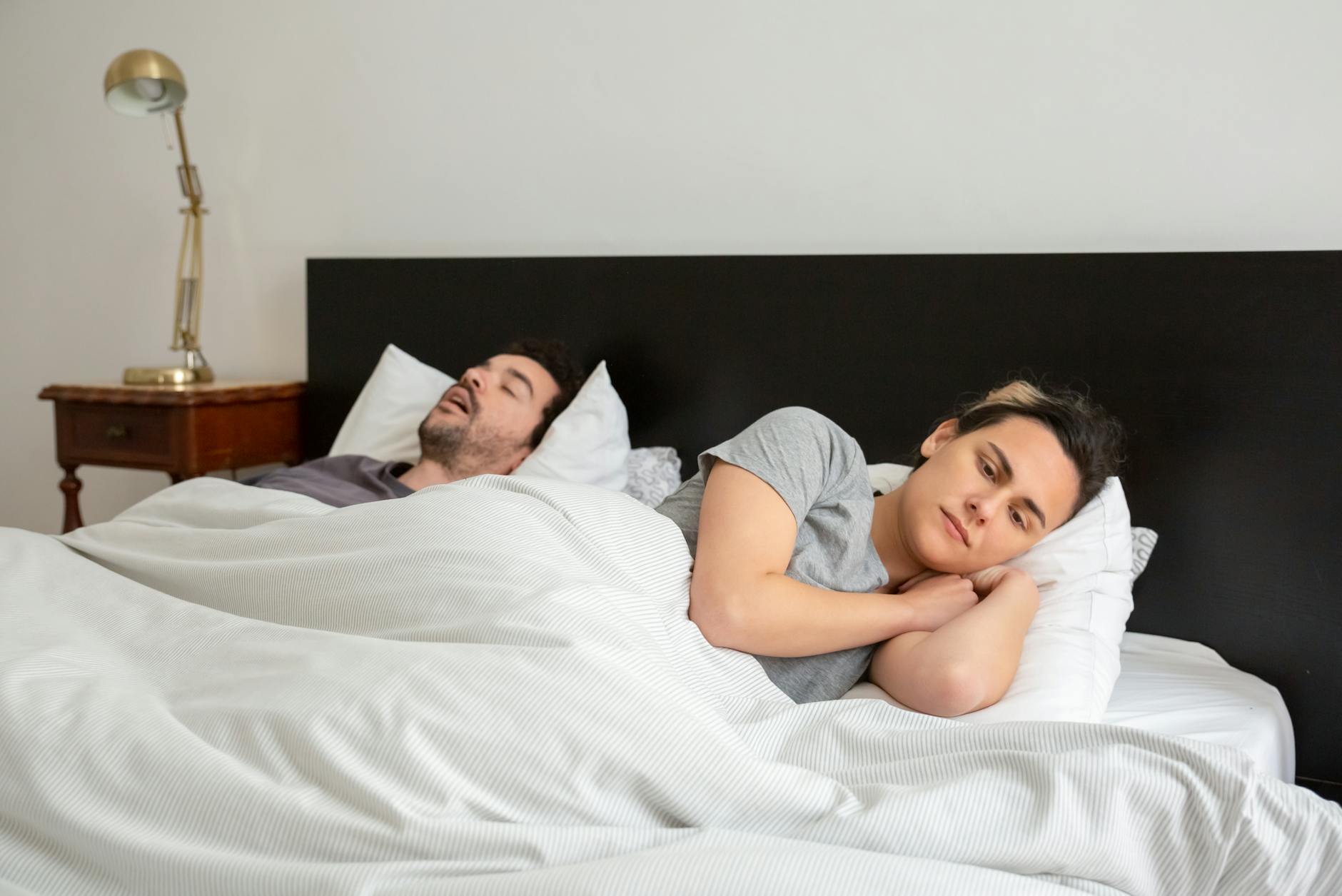
The biggest limitation of VapoSteam is that nasal congestion causes only a portion of snoring cases. Many people snore because of excess tissue in the throat, poor muscle tone as they age, alcohol consumption before bed, or sleep apnea. In these cases, opening the nasal passages won’t address the actual problem. A warning here is important: if someone snores loudly and stops breathing for brief periods during sleep—signs of sleep apnea—VapoSteam can provide false comfort. A bed partner might sleep better because the sound is slightly reduced, while the underlying oxygen deprivation continues untreated.
For older adults and those with cognitive decline, sleep apnea is particularly serious because disrupted sleep worsens daytime confusion, increases fall risk, and accelerates cognitive decline. VapoSteam can’t fix this. Neither can pillows, positional devices, or nasal strips. Sleep apnea requires diagnosis through a sleep study and treatment like CPAP therapy or other medical interventions. The limitation to remember is that snoring is visible and attention-grabbing, while sleep apnea is silent and dangerous—VapoSteam might reduce the noise without treating the more serious condition.
What Type of Snoring Can VapoSteam Help Most?
VapoSteam works best for positional snoring caused by nasal congestion. This means snoring that gets worse when someone sleeps on their back or when they have a cold, sinus infection, or seasonal allergies. It’s less effective for snoring that occurs regardless of position or time of year—that usually indicates structural or muscular issues.
Consider the difference between someone who snores only when congested versus someone whose snoring is consistent every single night regardless of their nasal status. In a dementia care setting, VapoSteam might help when someone has a winter cold or during high pollen months, providing a few weeks of better sleep quality. Older adults often experience increased sinus issues and thickened nasal secretions, so VapoSteam occasionally provides real benefit in these situations. However, it’s important not to assume it will solve ongoing snoring—that requires a doctor’s evaluation to rule out sleep apnea and other serious causes.
Comparing VapoSteam to Other Snoring Solutions
VapoSteam is less effective than CPAP therapy for sleep apnea but safer and simpler than surgical options. Compared to nasal strips, which mechanically open the nostrils without adding moisture, VapoSteam provides more relief for congestion-related snoring but takes up more bedroom space. Positional pillows and sleeping wedges address positional snoring without adding equipment, though they work best for people who stay put during sleep—something not always reliable for those with dementia. Anti-snoring mouthpieces and oral appliances are more expensive but can help some cases that VapoSteam won’t touch.
The practical tradeoff with VapoSteam is convenience versus effectiveness. It’s affordable, doesn’t require a prescription, and anyone can use it. But it won’t work for the majority of chronic snoring cases. If someone tries VapoSteam for two weeks with no improvement, that’s a sign to explore other options rather than continuing to hope it will work. For caregivers, this means not investing emotional energy in a trial that has a low chance of solving the real problem.
Safety Concerns and Limitations of Warm Steam
One warning is that warm steam devices can increase humidity in the bedroom, which may promote mold or dust mite growth if not managed carefully. Another is that VapoSteam can trigger asthma or breathing problems in some people, particularly those with reactive airway disease. The device should be positioned safely—not close enough for burns but far enough away to prevent accidents.
For someone with cognitive decline, a caregiver must place and monitor the device to ensure it doesn’t create hazards. Additionally, prolonged use of VapoSteam doesn’t improve underlying health issues and can create a false sense that the snoring is being managed when it’s actually not. Some people become dependent on the device, feeling they can’t sleep without it, even though the benefit is mostly psychological. The real limitation is that VapoSteam is a symptom manager, not a treatment—and for serious conditions like sleep apnea, symptom management can be dangerously insufficient.
The Connection Between Sleep Quality and Brain Health
Sleep deprivation and poor sleep quality are linked to cognitive decline, increased dementia risk, and worsening brain function in people who already have cognitive impairment. When snoring occurs alongside sleep apnea—the most serious case—oxygen drops during sleep, which directly damages brain cells and accelerates cognitive decline. This makes identifying and properly treating the cause of snoring genuinely important for brain health, not just comfort.
A family member with dementia who has untreated sleep apnea will experience faster cognitive decline and more behavioral problems than one who sleeps well. VapoSteam can help improve sleep quality in cases where congestion is the main problem, but it will do nothing if sleep apnea is present. For anyone caring for someone with cognitive decline, sleep quality should be treated as a medical priority, not a minor inconvenience.
When to See a Doctor Instead of Relying on VapoSteam
If snoring is new, loud, or accompanied by pauses in breathing, a doctor should evaluate it before trying VapoSteam. If someone has tried VapoSteam or other home remedies for more than two weeks without improvement, that’s time to pursue a sleep study. Red flags include gasping for breath during sleep, excessive daytime sleepiness despite apparent full nights of sleep, morning headaches, or personality changes—these suggest sleep apnea rather than simple congestion.
For older adults and those with dementia, these warning signs are particularly important because untreated sleep disorders accelerate cognitive decline. A sleep specialist can diagnose the specific cause of snoring and recommend appropriate treatment, whether that’s positional therapy, CPAP, oral appliances, or in rare cases, surgery. The outlook for proper sleep disorder treatment is genuinely good—once diagnosed and treated, most people sleep better and feel sharper. But this only happens if the condition is properly identified, not masked by temporary fixes.
Conclusion
Vicks VapoSteam is real help for congestion-related snoring but wishful thinking if you hope it will solve chronic snoring or sleep apnea. It’s a legitimate option to try first if someone has seasonal allergies or a cold, costs little, and poses minimal risk. However, it should never be the only approach to snoring that lasts more than a few weeks.
For people with cognitive decline and their caregivers, sleep quality is too important to manage with guesswork—a proper diagnosis is the necessary first step. The next step is honestly assessing whether the snoring improves with VapoSteam after a two-week trial. If it doesn’t, or if you see any signs of sleep apnea, schedule a doctor’s visit or sleep study. Better sleep means better cognition, better mood, better safety, and better quality of life for everyone involved.
Frequently Asked Questions
How long does it take VapoSteam to work?
Most people notice some improvement within a few nights if it’s going to work at all. Peak benefit usually comes after a week of consistent use. If you see no improvement after two weeks, VapoSteam is unlikely to solve your snoring.
Can VapoSteam cure sleep apnea?
No. VapoSteam can reduce snoring sounds, but it cannot stop the breathing pauses that define sleep apnea. If sleep apnea is present, it still needs proper medical treatment even if VapoSteam makes the snoring quieter.
Is VapoSteam safe for someone with dementia to be around?
Yes, as long as it’s placed safely out of reach where the person can’t knock it over or burn themselves. The moisture and warm air are harmless. However, some people with dementia may be confused or startled by the noise, so positioning matters.
What should I do if VapoSteam isn’t working?
Try it for two full weeks consistently. If no improvement occurs, stop using it and see a doctor. Snoring that persists despite home remedies often signals sleep apnea or another condition requiring medical evaluation.
Are there side effects from VapoSteam?
Most people tolerate it well, but some experience asthma triggers, increased humidity-related issues, or mild nasal irritation. Stop use immediately if breathing becomes difficult or if it clearly worsens any respiratory condition.
How much does VapoSteam cost compared to other treatments?
VapoSteam devices cost $40 to $100, making them inexpensive compared to CPAP machines ($500–$3,000) or sleep studies ($1,500–$3,000). However, this low cost shouldn’t be the deciding factor if other treatments would actually solve the problem.
You Might Also Like
- Vicks NyQuil Severe and Sleep Apnea: What You Should Know
- Oscillococcinum and Snoring: What You Should Know
- Xolair for Seasonal Allergies: What the Research Shows