Reviewed by the Help Dementia Editorial Team — our editors review every article for accuracy against guidance from the National Institute on Aging, the Alzheimer’s Association, and peer-reviewed sources.
Ventolin (albuterol) can provide effective relief for tree pollen-related respiratory symptoms, but research shows it works best as a quick-relief treatment rather than a solution for preventing allergic reactions altogether. A person experiencing tree pollen season might use Ventolin to quickly open airways when wheezing or shortness of breath occurs—for example, someone who notices breathing difficulties when walking outside during high pollen counts can find relief within minutes of using their inhaler.
However, the research is clear that long-term management of tree pollen allergies requires a broader approach that may include preventive medications, environmental modifications, and lifestyle adjustments alongside or instead of Ventolin alone. For older adults and those managing brain health conditions, understanding how to use Ventolin appropriately matters because uncontrolled allergies can affect sleep quality, cognitive function, and overall comfort. The medication works by relaxing the muscles in the airways, making it effective for acute breathing problems, but it doesn’t address the underlying allergic inflammation that tree pollen triggers.
Table of Contents
- How Does Ventolin Manage Tree Pollen Respiratory Symptoms?
- The Limitations of Ventolin as a Long-Term Allergy Management Strategy
- Tree Pollen Allergy Mechanisms and Why Ventolin Provides Only Partial Relief
- When and How to Use Ventolin Effectively During Tree Pollen Season
- Potential Risks and Warnings When Using Ventolin for Allergic Reactions
- Comparing Ventolin to Other Allergy Management Options
- Future Directions in Allergy Management and the Evolving Role of Rescue Inhalers
- Conclusion
- Frequently Asked Questions
How Does Ventolin Manage Tree Pollen Respiratory Symptoms?
Ventolin works as a bronchodilator, meaning it opens constricted airways by relaxing the smooth muscle tissue surrounding them. When tree pollen irritates the respiratory system, the body’s inflammatory response can cause the airways to constrict, leading to wheezing, shortness of breath, or chest tightness. Research shows that using Ventolin during these episodes typically provides relief within 5 to 15 minutes, with effects lasting 4 to 6 hours. Studies published in respiratory journals confirm that albuterol inhalers are highly effective for acute bronchospasm caused by allergic reactions. The key limitation is that Ventolin treats the symptom, not the root cause.
Tree pollen allergies involve histamine release and airway inflammation, processes that happen in the background even when someone isn’t actively wheezing. A person might feel fine after using Ventolin during a pollen-heavy day but experience the same symptoms again the next day if pollen counts remain high. This is why people with seasonal allergies often need preventive inhaled corticosteroids or antihistamines in addition to their rescue inhaler. For individuals with underlying respiratory conditions like asthma, combining Ventolin with preventive medications provides better control than using the rescue inhaler alone. Research comparing pollen season outcomes shows that people using both a controller medication and a rescue inhaler have fewer overall symptoms and better quality of life than those relying solely on Ventolin.

The Limitations of Ventolin as a Long-Term Allergy Management Strategy
While Ventolin is reliable for acute relief, using it frequently—more than twice per week—signals that allergy control is inadequate and a preventive approach is needed. Overuse of Ventolin can indicate underlying asthma or allergic airways disease that requires better management. Research warns that relying primarily on rescue inhalers without preventive medication increases the risk of severe allergic reactions and can paradoxically make airways more reactive over time. A significant limitation specific to tree pollen season is that Ventolin’s effects wear off, requiring repeated use throughout the day if pollen exposure is constant.
Someone with a dementia diagnosis or cognitive decline might forget when they last used their inhaler, potentially leading to either missed doses or accidental overuse. For caregivers, this means Ventolin alone is insufficient—a preventive medication like fluticasone or a newer antihistamine provides more stable coverage. The research also shows that repeated beta-agonist use without corticosteroid coverage may reduce the medication’s effectiveness over time, a phenomenon called tachyphylaxis. Additionally, some people experience side effects like tremor, headache, or increased heart rate that intensify with frequent use, making daily reliance on Ventolin less practical.
Tree Pollen Allergy Mechanisms and Why Ventolin Provides Only Partial Relief
Tree pollen allergies trigger a multi-step immune response: pollen particles enter the respiratory tract, immune cells recognize them as foreign, histamine and other inflammatory mediators are released, and the airway muscles contract in response. Ventolin addresses only the final step—muscle contraction. It does nothing to reduce histamine release, calm inflammation, or block the initial immune recognition that causes the cascade. This explains why someone might feel breathing improve quickly after using Ventolin during a high-pollen day but still feel congested, sneezy, or uncomfortable overall.
Their wheezing improves, but the underlying allergic inflammation persists. Research on combination therapy shows that adding an antihistamine or nasal corticosteroid spray to Ventolin treatment addresses more aspects of the allergic response, leading to better symptom control and patient satisfaction. Older adults experiencing tree pollen reactions sometimes struggle to recognize which symptoms Ventolin will help and which require different treatment. Ventolin helps shortness of breath and wheezing but does nothing for sneezing, nasal congestion, itchy eyes, or the fatigue that often accompanies allergic reactions.
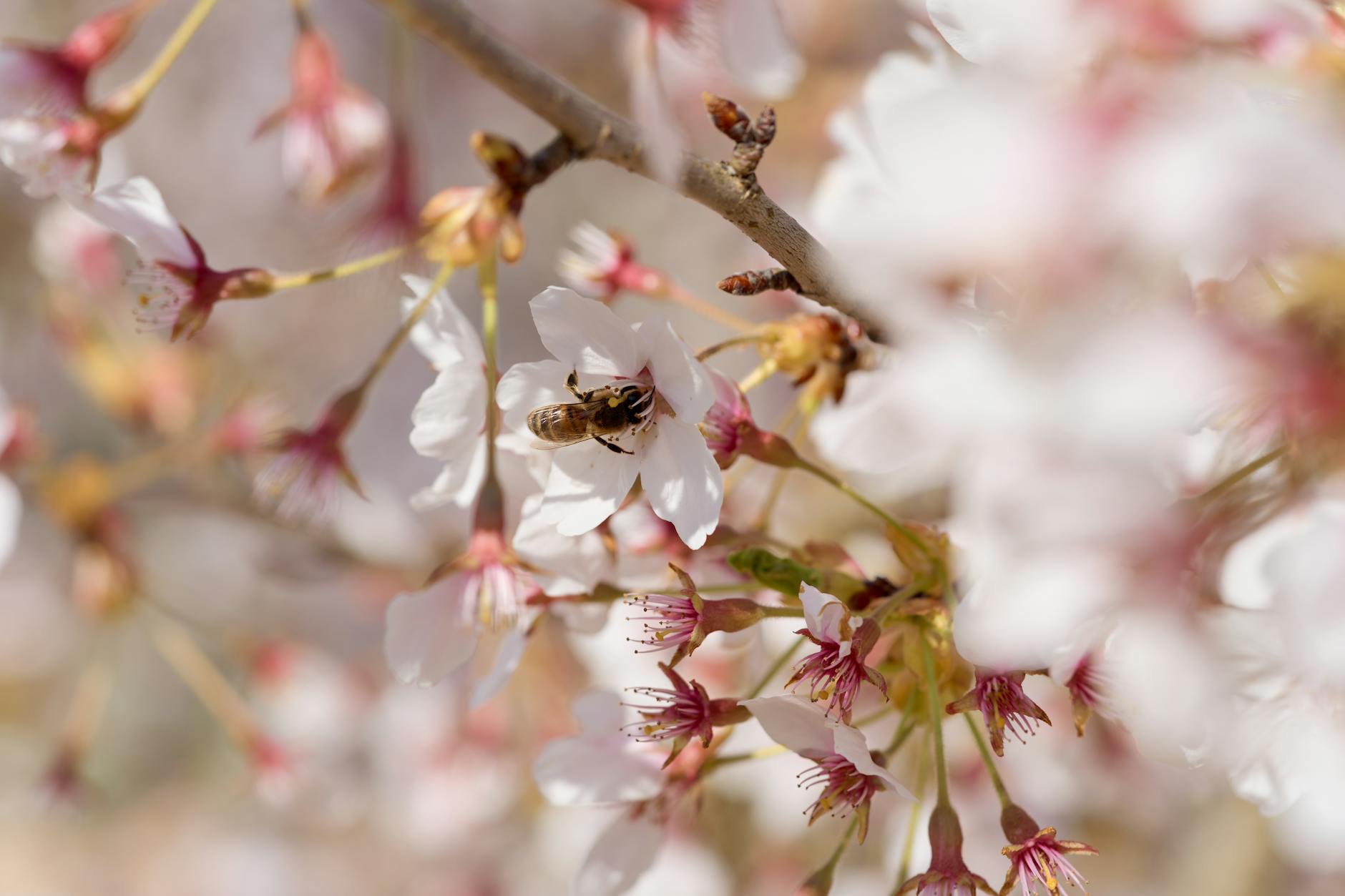
When and How to Use Ventolin Effectively During Tree Pollen Season
The most effective use of Ventolin for tree pollen allergies follows a specific pattern: use it when symptoms appear, not as a preventive measure before going outside. Research supports on-demand use for people with mild, intermittent symptoms, though this requires having the inhaler available and recognizing symptoms early. For example, if someone plans to garden during spring when tree pollen counts are high, they should have their Ventolin nearby and use it if wheezing or breathing difficulty develops during or after the activity. For those with more frequent symptoms, using a preventive inhaled corticosteroid daily combined with Ventolin as a rescue medication provides superior outcomes. Studies comparing these approaches show that preventive medication reduces the total number of times rescue inhalers are needed by up to 50%.
A practical tradeoff: daily preventive medication requires consistent adherence and routine, while frequent Ventolin use is flexible but signals inadequate allergy control and may worsen long-term outcomes. Proper inhaler technique matters significantly for effectiveness. Many people use their inhalers incorrectly, reducing the amount of medication that reaches the lungs where it’s needed. Research shows that proper technique—coordinating inhalation with pressing the inhaler canister—improves Ventolin’s effectiveness by 20 to 30%. Older adults and those with cognitive decline benefit from spacer devices that make correct technique easier.
Potential Risks and Warnings When Using Ventolin for Allergic Reactions
Overuse of Ventolin can mask worsening respiratory disease. If someone finds themselves using the rescue inhaler more frequently as tree pollen season progresses, this indicates inadequate disease control and a need for additional medication—not a signal to simply use more Ventolin. Research documents cases where patients relying heavily on rescue inhalers while avoiding preventive treatment experienced severe, life-threatening allergic reactions. The medication’s effectiveness can create a false sense of security that delays appropriate medical evaluation. For people with certain heart conditions, frequent Ventolin use carries a small risk of elevated heart rate or blood pressure changes.
Older adults, particularly those with cardiac history, should discuss their allergy management plan with their doctor rather than self-adjusting Ventolin use. Additionally, some research suggests that overuse of beta-agonist inhalers without concurrent corticosteroid use may be associated with increased asthma mortality in certain populations, though this remains an active area of research. A practical warning for caregivers: tree pollen allergies can exacerbate delirium or behavioral symptoms in people with dementia. When an older adult’s breathing difficulties worsen during pollen season, the resulting oxygen changes can affect cognitive function. Ensuring adequate allergy management—including but not limited to Ventolin—helps maintain overall stability.

Comparing Ventolin to Other Allergy Management Options
Ventolin’s primary advantage is speed: it works within minutes for acute breathing problems where nothing else is comparable. However, for seasonal tree pollen management, antihistamines like cetirizine or loratadine provide symptom coverage throughout the day with minimal side effects, though they take 30 minutes to an hour to become effective. Nasal corticosteroid sprays like fluticasone reduce localized inflammation in the nasal passages and can significantly decrease sneezing, congestion, and post-nasal drip—symptoms Ventolin completely ignores.
For someone experiencing tree pollen reactions primarily as sneezing and nasal congestion, a nasal corticosteroid spray might be more helpful than Ventolin. For someone with wheezing and shortness of breath, Ventolin is the faster and more appropriate choice. Many people benefit from using multiple medication types: a nasal corticosteroid for congestion, an antihistamine for itching and sneezing, and Ventolin for acute breathing difficulties.
Future Directions in Allergy Management and the Evolving Role of Rescue Inhalers
Research continues to explore new approaches to allergies that may eventually reduce the need for symptomatic treatments like Ventolin. Allergen immunotherapy—gradually exposing people to increasing amounts of tree pollen to desensitize the immune system—shows promise for long-term relief, though it requires years of commitment.
Newer biologic medications targeting specific immune pathways offer additional preventive options beyond traditional corticosteroids and antihistamines. The medical consensus is increasingly clear: for people with seasonal tree pollen allergies, Ventolin is best viewed as one tool in a comprehensive management strategy rather than a primary treatment. As allergy research advances, the emphasis continues to shift toward preventing allergic reactions rather than simply treating symptoms after they appear, which represents a more effective approach for maintaining quality of life throughout pollen season.
Conclusion
Ventolin provides rapid, effective relief for tree pollen-related breathing difficulties by quickly opening constricted airways—it works well for the acute symptom of wheezing or shortness of breath. However, research shows that using Ventolin alone for tree pollen allergies is incomplete treatment that addresses only one aspect of the allergic response and doesn’t prevent the underlying inflammation and immune activation that pollen triggers.
For effective tree pollen allergy management, especially for older adults and those managing brain health, Ventolin works best as part of a broader strategy that includes preventive medications, environmental control measures, and monitoring for overuse. If you find yourself reaching for your Ventolin more than occasionally during pollen season, speak with your healthcare provider about adding preventive medication to better control your symptoms and improve your daily quality of life.
Frequently Asked Questions
How often is it safe to use Ventolin for tree pollen reactions?
Using Ventolin occasionally for acute symptoms is safe. However, needing it more than twice per week suggests allergies need better control with preventive medication. Frequent use without preventive treatment increases risks and suggests inadequate management.
Should I use Ventolin before going outside during high pollen counts?
No. Ventolin is for acute breathing problems, not prevention. Using it before exposure hasn’t been shown to be more effective than using it when symptoms appear. If outdoor pollen exposure regularly causes wheezing, consider adding a preventive inhaled corticosteroid instead.
Can I combine Ventolin with antihistamines or nasal sprays for tree pollen?
Yes. Combination therapy with multiple types of allergy medications often works better than any single medication alone. Ventolin addresses airway constriction, antihistamines reduce itching and swelling, and nasal corticosteroids target nasal inflammation—different mechanisms for different symptoms.
Does Ventolin work better for spring tree pollen or all pollen types?
Ventolin works equally well for breathing problems caused by any type of pollen. However, which pollen types affect you depends on your location and local trees. Identifying your specific pollen triggers with your doctor can help you anticipate high-symptom periods.
Is it normal for Ventolin to become less effective over time during pollen season?
Some decrease in effectiveness can occur with frequent use, but it usually indicates that preventive medication is needed rather than a true loss of the drug’s power. This is a sign to contact your doctor about adjusting your allergy management plan.
What should caregivers know about managing tree pollen allergies in people with dementia?
Ensure inhalers are stored where they can be easily found and use reminders for preventive medications. Uncontrolled allergies can worsen confusion or agitation. If respiratory symptoms worsen during pollen season, involve the healthcare provider in adjusting medications rather than assuming over-the-counter remedies are sufficient.