Reviewed by the Help Dementia Editorial Team — our editors review every article for accuracy against guidance from the National Institute on Aging, the Alzheimer’s Association, and peer-reviewed sources.
Vascular dementia frequently causes walking problems because the same brain damage that affects memory and thinking also disrupts the signals that control movement, balance, and coordination. When blood vessels in the brain narrow or become blocked, certain areas that manage walking and motor control suffer reduced blood flow and oxygen, leading to a distinctive shuffle, difficulty with stairs, balance issues, and increased fall risk. These walking difficulties are not simply about weakness—they reflect actual changes in how the brain communicates with the legs and body.
Consider the case of a 72-year-old man who developed vascular dementia after a series of small strokes. Within months, his family noticed he began walking more slowly, taking shorter steps, and requiring walls or furniture to steady himself. His doctor explained that the same strokes affecting his memory centers had also damaged the brain regions controlling movement, creating what neurologists call “vascular gait disorder.” Understanding this connection helps caregivers recognize walking changes as a core symptom of vascular dementia, not merely old age or deconditioning.
Table of Contents
- How Do Small Strokes Damage the Walking Centers of the Brain?
- The Progressive Nature of Vascular Gait Disorder and Safety Risks
- Distinguishing Vascular Walking Problems from Other Causes of Mobility Loss
- Rehabilitation and Management Strategies for Maintaining Mobility
- Medication Effects and Advanced Vascular Dementia Complications
- The Emotional and Social Impact of Walking Changes
- Future Directions in Vascular Dementia Research and Prevention
- Conclusion
How Do Small Strokes Damage the Walking Centers of the Brain?
vascular dementia results from repeated small strokes (sometimes called silent strokes) or chronic reduction in blood flow to brain tissue. Unlike a major stroke that causes sudden, obvious paralysis on one side of the body, these smaller vascular events accumulate quietly, damaging the white matter tracts and basal ganglia—the regions that coordinate walking and balance without requiring conscious thought. When these critical areas are starved of oxygen, neurons die or stop communicating effectively, and the brain loses its ability to execute smooth, automatic walking patterns.
The walking disturbance in vascular dementia often appears as a characteristic “vascular gait” or “marching gait disorder,” where a person takes rigid, short steps with reduced arm swing and maintains a wide stance for stability. Some patients describe feeling as though their legs are “stiff” or “heavy,” while others simply find that their feet no longer respond with the automaticity they once had. This differs from Parkinson’s disease gait (which involves tremor and rigidity) and Alzheimer’s disease gait (which may develop later in the disease process), though the distinctions can blur in mixed dementia, where a patient has both vascular damage and Alzheimer’s pathology.

The Progressive Nature of Vascular Gait Disorder and Safety Risks
Vascular dementia walking problems typically progress in a stepwise pattern rather than a smooth decline. after each new small stroke or period of reduced blood flow, a patient may suddenly notice they cannot climb stairs as easily or must hold a railing where they previously walked independently. This unpredictability can make safety planning challenging, and many families report being caught off guard when a previously mobile relative suddenly requires a walker or assistance with daily activities. Falls become a major concern because vascular dementia patients often lose proprioception—the sense of where their body is in space—in addition to balance problems.
A person may not realize their foot didn’t clear the edge of a rug or that they are leaning too far to one side. Hip fractures, head injuries, and other trauma from falls compound cognitive decline and increase mortality risk. One limitation of current treatment is that once brain tissue has been damaged by vascular events, the walking impairment often cannot be fully reversed, even with rehabilitation. Stabilizing the condition and preventing further strokes becomes the realistic goal, which is why aggressive management of blood pressure, cholesterol, and blood sugar is so critical for people with vascular dementia.
Distinguishing Vascular Walking Problems from Other Causes of Mobility Loss
Not all walking difficulties in older adults signal dementia, and not all dementia-related walking problems are primarily vascular in origin. An elderly person may walk slowly because of arthritis in their hips or knees, muscle weakness from disuse, or neurological conditions like Parkinson’s disease or spinal stenosis. However, vascular dementia walking problems carry specific markers: a sudden change in gait after a suspected stroke, the presence of other dementia symptoms (memory loss, confusion, mood changes), and findings on brain imaging showing small areas of infarction or white matter damage.
A 68-year-old woman with vascular dementia and mild cognitive impairment began having trouble with stairs; her family assumed it was hip pain until her neurologist noted that her gait was too rigid and synchronized for simple arthritis, and imaging showed multiple small strokes in the motor regions. In contrast, another patient with Alzheimer’s disease experienced gait slowing later in their illness, without sudden changes. Understanding whether a patient’s walking impairment is primarily vascular, degenerative, or mixed helps clinicians recommend appropriate interventions—physical therapy for vascular gait may focus on balance and fall prevention strategies, whereas strategies for Alzheimer’s gait might emphasize simplifying the walking environment.

Rehabilitation and Management Strategies for Maintaining Mobility
Physical therapy and structured exercise programs can help maintain walking ability and prevent falls, even when the underlying brain damage cannot be reversed. A physical therapist trained in neurological rehabilitation can teach patients compensatory strategies, such as consciously monitoring foot clearance or using external cues (lines on the floor, music) to promote more rhythmic stepping. Regular standing and walking practice, balance training, and strength work in the legs and core can maintain muscle function and slow the progression of disability.
One important tradeoff is that rehabilitation requires motivation, consistency, and often the availability of a trained therapist—resources that not all families have access to. A patient with advanced dementia and significant cognitive decline may not retain instructions or cooperate reliably with formal therapy, placing the burden on caregivers to incorporate walking and balance activities into daily routines. For some people, walking with a cane or walker provides both physical support and a psychological cue that steadies their gait, while others reject assistive devices out of pride or habit, increasing their fall risk. Environmental modifications—removing tripping hazards, installing handrails, improving lighting, and widening doorways—can make walking safer without requiring active rehabilitation.
Medication Effects and Advanced Vascular Dementia Complications
People with vascular dementia often take multiple medications for blood pressure, cholesterol, heart disease, and diabetes management, each of which may affect balance and walking. Some blood pressure medications can cause dizziness or orthostatic hypotension (a sudden drop in blood pressure upon standing), leading to falls and reduced confidence in walking. Dementia medications like donepezil may improve cognitive symptoms somewhat, but they do not directly reverse vascular gait disorder. A significant limitation is that once extensive vascular damage has occurred, interventions become more focused on slowing further decline than reversing existing deficits.
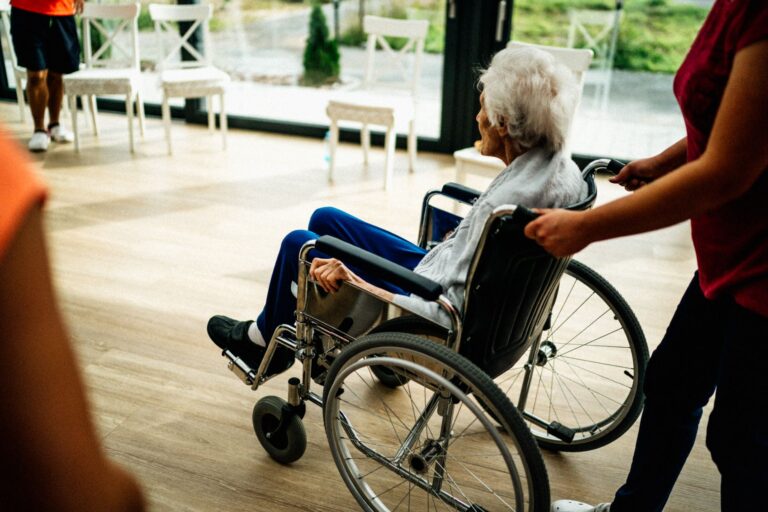
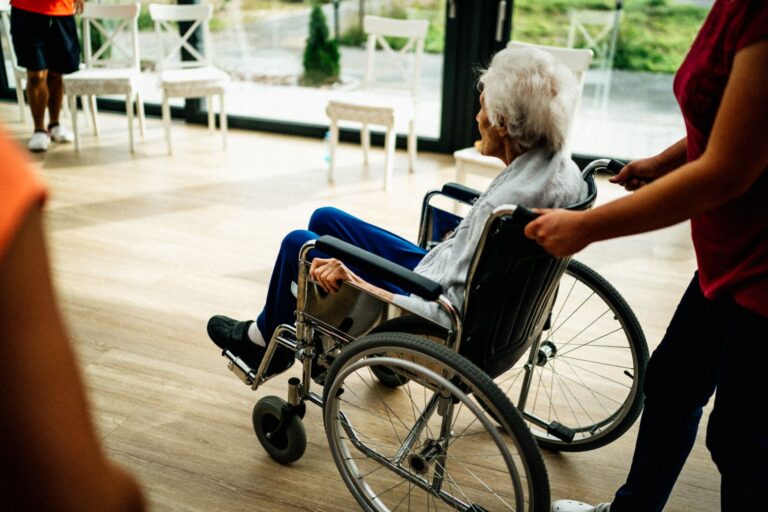
In advanced stages, vascular dementia walking problems can progress to immobility, where a patient no longer walks independently or may lose the ability to stand. This creates a cascade of secondary complications: muscle wasting, contractures (permanent tightening of muscles and tendons), pressure wounds, and reduced overall quality of life. Some people with severe vascular dementia benefit from wheelchair mobility or transfer devices, which maintain access to community spaces and activities while reducing fall and injury risk. Families should be warned that the trajectory is often unpredictable—a patient who uses a walker one month might require a wheelchair the next if a major stroke occurs.

The Emotional and Social Impact of Walking Changes
The loss of independent walking represents more than a physical change; it fundamentally alters a person’s identity, independence, and social participation. Many people with early vascular dementia walking problems experience anxiety, depression, and social withdrawal as their world shrinks. They may avoid outings or public spaces where they fear falling or losing their way, which in turn reduces physical activity and accelerates decline.
A 70-year-old man who prided himself on daily walks in his neighborhood began using a cane after vascular dementia, then gradually stayed indoors to avoid being seen by neighbors. His caregiver spouse felt isolated managing his increasing care needs. Engaging the patient in adapted activities—shorter walks with a supportive companion, water-based exercise, or simply sitting outside—can maintain a sense of purpose and connection while accommodating physical limitations. Some communities offer specialized exercise programs for people with dementia, which provide both physical benefits and the psychological boost of peer connection.
Future Directions in Vascular Dementia Research and Prevention
Ongoing research is exploring whether certain medications or interventions can protect the brain’s white matter and slow vascular decline, though results so far have been modest. Blood pressure control, particularly in midlife and early old age, appears to be one of the most effective preventive strategies, reducing the risk of both cognitive decline and mobility problems. For people already diagnosed with vascular dementia, clinical trials are testing whether intensive vascular risk factor management can prevent additional strokes and preserve remaining function longer.
The future likely lies in earlier detection and more aggressive prevention strategies, since vascular dementia is one of the most preventable dementias. Brain imaging advances may soon allow doctors to identify silent strokes and small vessel disease before symptoms appear, potentially prompting intervention that slows or prevents symptomatic decline. Until then, recognizing walking problems as an early marker of vascular dementia and initiating comprehensive stroke prevention—blood pressure management, antiplatelet therapy, control of diabetes and cholesterol, and lifestyle changes—remains the most proven way to protect both cognitive and motor function.
Conclusion
Vascular dementia walking problems arise from brain tissue damage caused by stroke and reduced blood flow, affecting the regions that coordinate automatic movement and balance. These gait disturbances are a core feature of vascular dementia, not simply a side effect of aging or weakness, and they progress in a step-wise pattern that can accelerate suddenly with each new vascular event. While rehabilitation and environmental modifications can maintain walking ability and reduce fall risk, true reversal of vascular gait damage is rarely possible once the brain injury has occurred.
The most powerful intervention lies in prevention and early aggressive management of vascular risk factors. If you or a loved one has noticed recent changes in walking, balance, or gait—especially if combined with memory problems, confusion, or a history of stroke—discuss these symptoms with a neurologist or primary care physician promptly. Early diagnosis of vascular dementia and initiation of stroke prevention strategies, physical therapy, and safety modifications can preserve quality of life and independence for as long as possible.