Reviewed by the Help Dementia Editorial Team — our editors review every article for accuracy against guidance from the National Institute on Aging, the Alzheimer’s Association, and peer-reviewed sources.
Vascular dementia sits at the center of this dementia and brain health question.
Vascular dementia after stroke is a complex condition that families often confront with limited preparation or guidance. When a family member suffers a stroke, the immediate focus is on physical recovery—regaining mobility, speech, and strength. But cognitive changes linger long after the hospital discharge. Between 25 and 30 percent of people who survive an ischemic stroke will develop vascular cognitive impairment or dementia, sometimes immediately and sometimes months or years later. For families navigating this reality, understanding what happens in the brain, how to recognize early changes, and what interventions can help becomes essential to supporting long-term recovery and quality of life. The numbers are sobering. Stroke increases overall dementia risk by 80 percent, and in the critical first year after a stroke, the risk of developing dementia climbs to nearly three times higher than baseline.
At five years post-stroke, the absolute risk of dementia reaches 20 percent; by 25 years, it reaches 48 percent. These statistics reflect a fundamental truth: a stroke doesn’t just damage one region of the brain. It can set off a cascade of changes—reduced blood flow to other areas, inflammation, and accelerated deterioration—that family members may not initially recognize as signs of dementia. Understanding vascular dementia after stroke means learning to distinguish between expected post-stroke recovery and the early signals of cognitive decline that will require different approaches to care. The encouraging news is that cognitive recovery is possible, especially in the months immediately following the stroke. The brain is remarkably adaptable. During recovery, new blood vessels form, and undamaged regions can compensate for areas that have been harmed. However, this recovery requires active management of the underlying conditions that led to the stroke in the first place—high blood pressure, diabetes, heart problems—and involvement from families who understand what to watch for and when to seek support.
Table of Contents
- How Common Is Dementia After Stroke?
- How Does Stroke Damage Brain Function and Cognition?
- What Are the Early Warning Signs Families Should Watch For?
- Which Medical Conditions Increase the Risk of Post-Stroke Dementia?
- Can Cognitive Function Recover After Stroke? What Does Rehabilitation Look Like?
- How Should Families Adapt Their Support and Communication?
- What’s the Long-Term Outlook? How Can Families Plan Ahead?
- Conclusion
How Common Is Dementia After Stroke?
vascular dementia represents approximately 15 percent of all dementia cases worldwide, making it the second most common form after Alzheimer’s disease. When you include mixed dementia (dementia that combines vascular and neurodegenerative changes), the burden becomes even larger. Globally, 8.5 million people live with pure vascular dementia, and 9.1 million more have mixed dementia. These figures are projected to grow dramatically. By 2050, the world will see 42.7 million cases of vascular dementia—a reflection of aging populations and the ongoing prevalence of stroke risk factors like hypertension, diabetes, and atrial fibrillation. For families dealing with a specific stroke survivor, the personal risk is even more immediate. Research from major stroke organizations shows that roughly one in four stroke survivors will eventually develop cognitive problems severe enough to meet the criteria for dementia.
Some develop symptoms right after the stroke, while others experience a slow erosion of memory and thinking ability over years. The timing depends on factors like the location and size of the stroke, whether additional small strokes occur later, and how effectively the family and medical team manage conditions like high blood pressure and diabetes that contribute to further decline. What makes post-stroke dementia particularly challenging for families is that it doesn’t follow a single predictable path. Some people experience rapid cognitive decline after a major stroke. Others have minor strokes that accumulate in silent ways—people don’t remember having them, yet cognitive abilities gradually slip. This unpredictability means families can’t simply check off a recovery timeline. Instead, they must remain vigilant about monitoring thinking and memory changes while simultaneously managing medical treatments designed to prevent the next stroke or cognitive decline.
How Does Stroke Damage Brain Function and Cognition?
When a stroke occurs, a blood clot or burst vessel cuts off oxygen to brain tissue. Brain cells die within minutes when starved of oxygen. The damage isn’t limited to one spot, though. The area immediately affected by the stroke is called the infarct, but surrounding regions may also suffer reduced blood flow. Over time, that initial injury can trigger secondary damage—inflammation that spreads to nearby tissue, the formation of scar tissue that disrupts normal communication between brain regions, and accelerated deterioration of small blood vessels throughout the brain. The cognitive consequences depend entirely on where the stroke occurred. A stroke in areas controlling memory, language, or executive function will produce different symptoms than a stroke in regions controlling movement. Some people lose the ability to find words. Others struggle with planning and problem-solving.
Still others experience significant memory loss. What complicates matters is that vascular dementia often involves not one large stroke but multiple smaller ones—sometimes so small the person doesn’t realize they’ve had a stroke. These cumulative injuries gradually erode memory, thinking speed, and judgment. Families often describe a slow, stepwise decline rather than the smooth progression seen in Alzheimer’s disease. A critical limitation families should understand: not all cognitive changes after stroke are permanent. During the acute recovery phase and in the months that follow, the brain generates new blood vessels, and undamaged regions learn to compensate for damaged areas. This neural plasticity is why some people recover surprising amounts of cognitive function after a major stroke, even when brain scans show substantial damage. However, this recovery isn’t automatic. It requires active rehabilitation, consistent management of vascular risk factors, and engagement from the family to reinforce new learning and coping strategies. Without these supports, cognitive improvements plateau or reverse.
What Are the Early Warning Signs Families Should Watch For?
The early signs of vascular dementia after stroke can be subtle and are often mistaken for normal recovery challenges. In the weeks immediately after a stroke, some memory problems and difficulty concentrating are expected. But certain changes should trigger closer observation. Memory gaps that persist beyond three to four weeks—forgetting conversations that happened days ago, losing track of important medical appointments, repeating questions—suggest that cognitive impairment is developing. Changes in attention and processing speed are also common: the person takes much longer to understand conversations, seems confused by tasks they previously handled easily, or has difficulty following multi-step instructions like “take your evening medications, then call your daughter.” Judgment and behavior changes can also emerge. A family member who was cautious about money might suddenly make impulsive purchases or give away significant sums. Another might become unusually irritable or emotionally flat—losing interest in activities or relationships that previously mattered deeply. These behavioral shifts sometimes get blamed on depression or adjustment struggles, which are real post-stroke experiences, but persistent personality changes combined with memory problems warrant cognitive evaluation.
A person might also show reduced insight into their own limitations—a phenomenon called anosognosia—where they deny that anything is wrong despite obvious cognitive difficulties. This can make it hard for families to get the person to accept help or pursue rehabilitation. The danger with waiting too long to seek evaluation is that treatable conditions get missed. Some cognitive changes after stroke are reversible if addressed early. Infections, medication side effects, depression, and low blood oxygen can all cause or worsen cognitive symptoms. A structured cognitive assessment from a neurologist or neuropsychologist can distinguish between post-stroke recovery, vascular dementia, and other conditions that might be contributing. Families should not assume that all cognitive changes are permanent or that nothing can be done. Early professional evaluation opens doors to interventions and planning that improve outcomes significantly.

Which Medical Conditions Increase the Risk of Post-Stroke Dementia?
Six medical conditions are strongly linked to post-stroke dementia: atrial fibrillation (irregular heartbeat), previous stroke or transient ischemic attack, heart attack, high blood pressure, diabetes mellitus, and coronary artery disease. If your loved one has any of these conditions before the stroke, their risk of developing dementia afterward is substantially higher. Atrial fibrillation deserves particular attention because it creates blood clots in the heart that can travel to the brain, causing strokes. Someone with atrial fibrillation who has one stroke is at much higher risk of having another one—and each additional stroke increases dementia risk further. The reason these conditions matter so profoundly is that they all relate to blood vessel health. Hypertension damages the small blood vessels in the brain, making them more likely to leak or rupture. Diabetes accelerates vascular aging and reduces the brain’s resilience to oxygen deprivation. Atrial fibrillation causes clots.
All of these conditions create the conditions under which vascular dementia develops. This is why managing these underlying diseases becomes the cornerstone of preventing cognitive decline after stroke. Families often focus intently on rehabilitation exercises and cognitive training—both valuable—but they should place equal emphasis on medication adherence and lifestyle changes that control blood pressure, blood sugar, and heart rhythm. One critical tradeoff families face is balancing the complexity of medications with the reality that strict control of these conditions is essential. A stroke survivor might need to take blood thinners, blood pressure medications, diabetes medications, and cholesterol medications simultaneously. Each medication can have side effects that themselves affect cognition—fatigue, dizziness, confusion. Yet stopping or skipping medications to reduce side effects dramatically increases the risk of another stroke and further cognitive decline. Families need partnership with the stroke survivor’s medical team to find the right balance: medications that are tolerated well enough to be taken consistently while adequately controlling the underlying conditions.
Can Cognitive Function Recover After Stroke? What Does Rehabilitation Look Like?
The most important finding from recent stroke research is that cognitive recovery is possible, especially when intervention begins early and is sustained over months. In the acute phase after stroke—the first days and weeks—the brain shows remarkable plasticity. New connections form rapidly. Undamaged regions expand their representation to compensate for lost function. Physical and cognitive rehabilitation work best during this window when the brain is most receptive. This is why families should seek cognitive rehabilitation referrals as soon as the stroke survivor is medically stable enough to engage in therapy. Cognitive rehabilitation after stroke uses techniques tailored to the specific deficits. Someone with memory problems might work with a speech-language pathologist on memory strategies—organizing information into categories, using visual cues, creating written reminders. A person struggling with executive function (planning, organization, problem-solving) might use a compensatory system like a written daily schedule and checklist. Attention training helps rebuild the ability to focus.
Language therapy helps recover communication abilities. These interventions work best when families are involved—learning the same strategies the therapist teaches, reinforcing them in daily life, building them into routines. Studies show that family-supported cognitive rehabilitation in the critical 0-3 month window after hospital discharge is associated with better functional recovery. However, a limitation families should understand: cognitive rehabilitation requires sustained effort, and improvements can plateau. Some cognitive abilities recover fully or nearly so within the first three to six months. Others show slower, incremental progress over years. And some deficits may be permanent, requiring families to adapt expectations and develop long-term coping strategies. There is no magic rehab program that restores all lost function. What exists is the genuine possibility of meaningful improvement, especially with early, intensive intervention. The worst outcome occurs when rehabilitation is delayed or abandoned, allowing cognitive abilities to deteriorate from disuse and disease progression.
How Should Families Adapt Their Support and Communication?
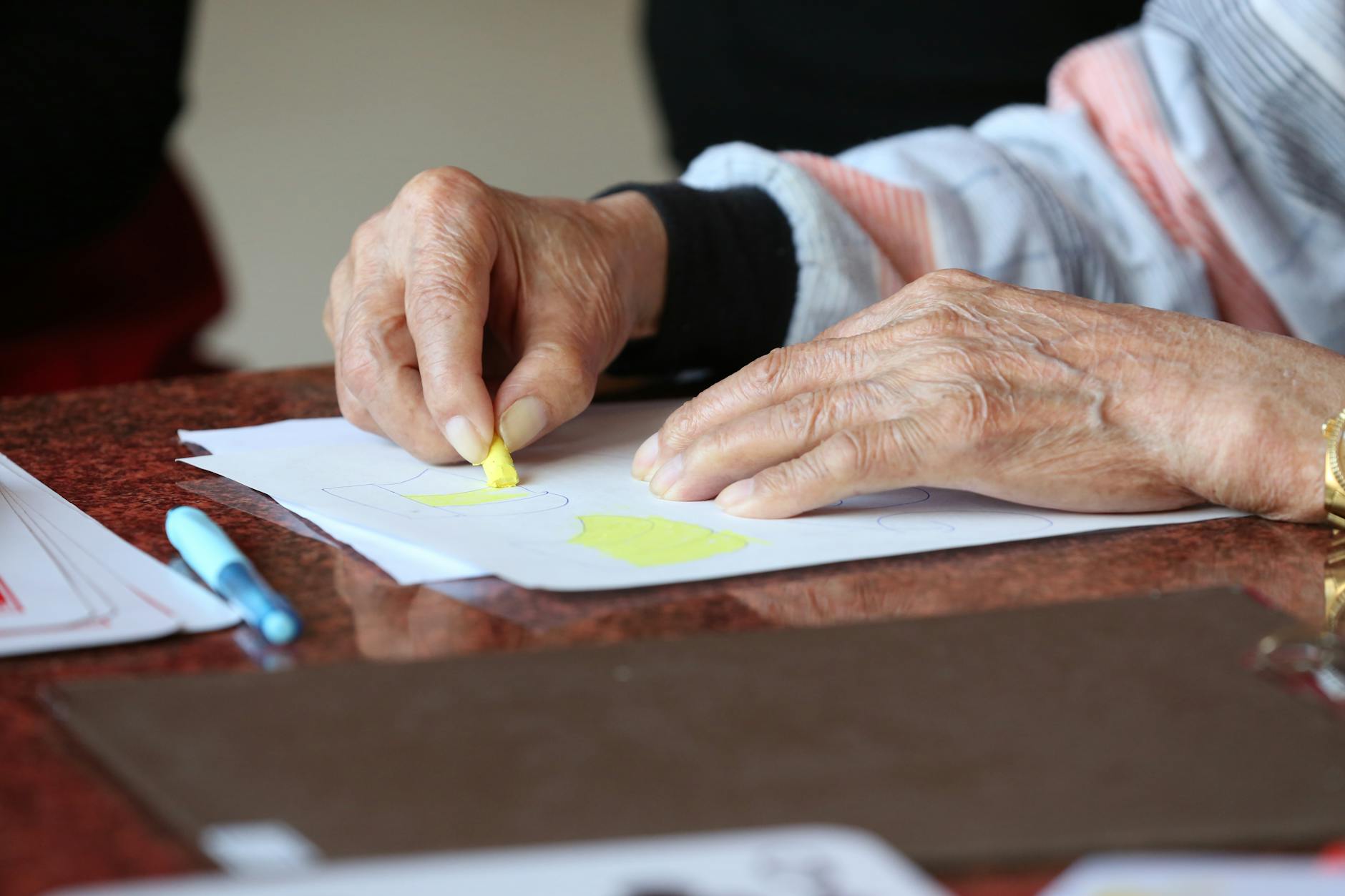
Adapting your communication and daily support strategies to match your loved one’s cognitive abilities is one of the most practical contributions a family can make to post-stroke recovery. If memory problems are present, written lists replace verbal instructions. Appointments go on a calendar visible in the kitchen. Important information is recorded in a notebook that travels with the person. For someone struggling with processing speed, families learn to speak slowly, pause often, and ask the person to repeat back what they’ve heard rather than assuming understanding. These aren’t dumbing things down; they’re accommodating real neurological changes while maintaining dignity and engagement. The emotional dimension of family support is equally important. Many stroke survivors experience depression, anxiety, or emotional lability—sudden mood swings that feel out of control. A person who never cried before might become tearful easily.
Another might feel anxious in social situations despite previously being outgoing. Family members sometimes interpret these changes as personality shifts, leading to frustration on both sides. Understanding that these emotional changes are neurological consequences of the stroke—not willful behavior or poor attitude—helps families maintain patience and compassion. Professional mental health support should be part of the recovery plan from the beginning. Equally important is the caregiver burden on families themselves. The research clearly shows that caregiving in the months after stroke is intensely demanding. Family members report exhaustion, depression, and stress. Yet that same research also shows that families providing structured, engaged support see better outcomes in their loved one’s recovery. This creates a tension: the very people most needed for optimal recovery are at highest risk of burnout. Families must actively pursue respite care, support groups, and their own counseling to sustain the energy needed for the long recovery journey ahead.
What’s the Long-Term Outlook? How Can Families Plan Ahead?
The trajectory of vascular dementia after stroke is often more predictable than other dementias, which offers families a particular advantage for planning. If someone survives the acute stroke and the first year passes without developing significant cognitive impairment, their risk is somewhat lower going forward—though still elevated compared to people who never had a stroke. However, the longer-term statistics are stark: by 5 years post-stroke, 20 percent of survivors have developed dementia. By 15 years, 30 percent have. By 25 years, 48 percent have. These numbers underscore that post-stroke dementia is not always a near-term event. Many people experience years of stable cognitive function before decline accelerates.
What this timeline means practically is that families should engage in advance planning early, while the stroke survivor can still participate meaningfully in decisions about future care. Conversations about values, wishes regarding medical care, and financial planning should happen in the first months after stroke, not years later when cognitive changes have progressed. Establishing enduring powers of attorney, discussing what kind of care the person would want if dementia develops, and documenting wishes about life-sustaining treatment are difficult conversations, but they are far easier to have when everyone involved can remember them and participate fully. Many stroke survivors and families find it helpful to work with elder care attorneys or financial planners to ensure these structures are in place. The future trajectory for vascular dementia also depends heavily on preventing additional strokes. New medications, improved management of risk factors, and emerging technologies like devices for detecting atrial fibrillation offer new possibilities for reducing stroke recurrence and slowing cognitive decline. Families and stroke survivors should stay engaged with their medical teams around preventive strategies and participate in any clinical trials related to post-stroke cognition that might be available locally. While vascular dementia carries significant challenges, it is also the form of dementia most amenable to prevention through aggressive management of underlying vascular disease.
Conclusion
Vascular dementia after stroke is a profound challenge that transforms family life and demands sustained attention to medical management, cognitive rehabilitation, and emotional support. Yet it is also a condition where families can meaningfully influence outcomes. The early months and years after stroke represent a window of significant neuroplasticity and recovery potential. Families who move quickly to secure cognitive rehabilitation, master the medical complexity of managing stroke risk factors, and adapt their daily support can substantially slow or even partially reverse cognitive decline. The stakes are high, but so is the potential for positive impact. Understanding vascular dementia after stroke means accepting a longer timeline than many families anticipate.
Recovery isn’t measured in weeks or months but in years. Setbacks occur. Additional small strokes might happen. Yet many stroke survivors reach a new baseline of cognitive function that allows continued engagement in meaningful activities and relationships. The role of families in achieving this outcome cannot be overstated. If you are supporting a stroke survivor, prioritize cognitive evaluation, secure rehabilitation, maintain relentless focus on managing blood pressure and other vascular risk factors, and plan ahead while your loved one can participate. These actions, taken with professional guidance and sustained over the long term, offer the best current pathway to meaningful recovery and quality of life.
You Might Also Like
- When Should Dementia Testing Be Repeated?
- Vascular Dementia and Stepwise Decline
- Vascular Dementia Symptoms by Stage
For more, see National Institute on Aging.