
Utility failures sits at the center of this dementia and brain health question.
Yes, utility failures are spreading across the globe, and infrastructure systems are genuinely struggling to keep pace with growing demand. In the past year alone, cascading power outages have struck locations ranging from Iraq and Brazil to Jamaica and the Philippines—each incident revealing how fragile our interconnected energy systems have become. For people with dementia and their caregivers, these failures pose real risks: loss of power affects medical equipment, refrigeration of medications, climate control in care facilities, and the basic safety systems that many older adults depend on. This article examines why infrastructure is failing under pressure, what’s behind the cascade of recent outages, and what’s actually being done to prevent the next widespread failure. The core problem is straightforward: new energy capacity is being constrained by grid bottlenecks, permitting delays, and regulatory uncertainty.
Nearly 25% of new global energy capacity sits blocked because the grid itself cannot absorb it. That’s not a small number—that’s a quarter of potential new power generation, waiting. Meanwhile, 65% of utility industry respondents identify grid and infrastructure constraints as the single biggest barrier to expansion. The issue isn’t whether we need more capacity. It’s that our infrastructure backbone is creaking under the weight of demands it was never designed to handle.
Table of Contents
- Why Are Cascading Failures Spreading Across the Grid?
- How Aging Infrastructure and Maintenance Backlogs Create Systemic Risk
- Recent Major Outages Reveal Interconnected System Vulnerabilities
- Why Grid Expansion Is Stalled Despite Growing Demand
- Financial Strain and the Inability to Fund Necessary Infrastructure Upgrades
- Special Vulnerability: Dementia Care and Utility Dependence
- Infrastructure Investment and Building System Resilience
- Conclusion
Why Are Cascading Failures Spreading Across the Grid?
When one section of an interconnected power grid fails, the load it was carrying doesn’t simply disappear—it shifts to adjacent areas. Those adjacent sections, often already operating near capacity, become overloaded. The overload spreads like a cascade, with each failed section triggering failures in neighboring sections. This is exactly what happened in recent incidents across Iraq, Brazil, Cuba, Indonesia, Pennsylvania, Texas, Ireland, the Philippines, and Jamaica. What should have been isolated, localized outages became widespread failures affecting hundreds of thousands of people.
The systemic risk here is often invisible until it happens. Utilities maintain contingency plans for typical failures, but cascading failures follow different physics. When one power plant goes offline in an old system, adjacent plants are supposed to absorb the load. But when they’re already running at 90% capacity because of deferred maintenance and increasing demand, they can’t absorb anything. Instead, they fail too. This is why recent failures have spread so rapidly—the infrastructure margin for error has simply vanished.

How Aging Infrastructure and Maintenance Backlogs Create Systemic Risk
The UK provides a stark illustration of what happens when maintenance backlogs, structural weaknesses, and untested contingencies converge. In 2025, more than 30,000 customers across Sussex and Kent experienced extended disruption from aging infrastructure failures. These weren’t dramatic storms or unprecedented events. They were infrastructure failures: pipes corroding, systems failing, backup plans that didn’t account for simultaneous failures in related systems. The outages lasted days for some customers, and the disruption revealed how little margin utilities have for error when multiple systems are aging simultaneously.
However, the timing of infrastructure replacement matters enormously. Utilities face a catch-22: replacing major infrastructure requires taking systems offline, which creates risk during the replacement window. If you’re running at maximum capacity and you take something offline for maintenance, the rest of the grid bears the full load. If something fails during that window, the cascade can be worse than if you’d left the aging infrastructure in place. Many utilities are deferring maintenance specifically because they cannot afford the risk of removal. The result is a slow-motion accumulation of risk.
Recent Major Outages Reveal Interconnected System Vulnerabilities
The geographic spread of recent outages tells an important story: these aren’t regional problems. They’re systemic. In early 2025 and into 2026, major incidents occurred in Iraq (political instability compounded by infrastructure breakdown), Brazil (where maintenance backlogs met seasonal demand peaks), Cuba (where infrastructure isolation made recovery slower), Indonesia (rapid industrial growth outpacing grid expansion), and multiple U.S. locations including Pennsylvania and Texas during demand surges. The Philippines and Jamaica experienced similar cascading failures. What each of these outages shared was the same pattern: a localized failure triggered a cascade because the system had zero spare capacity. No redundancy.
No margin. When you’re running at 95% capacity and something breaks, you don’t have room to absorb the load. You fail. And when you fail, you push load onto the next section, which also fails. That’s the cascade. It’s not a software bug that can be patched in an afternoon. It’s the physical reality of a system stretched beyond its design capacity.
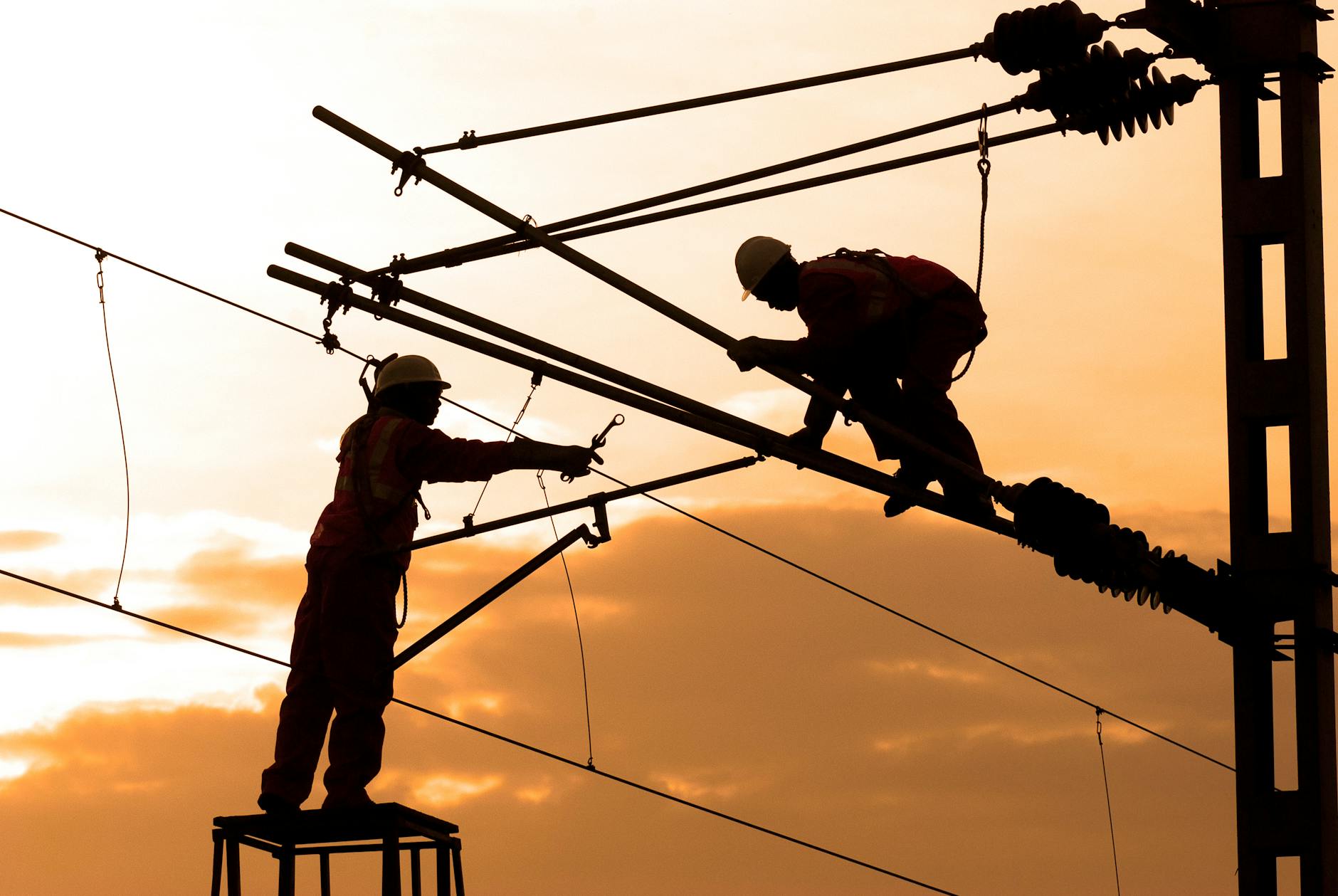
Why Grid Expansion Is Stalled Despite Growing Demand
The energy industry has a straightforward diagnosis: they can generate more power, but they cannot move it where it’s needed. The grid cannot absorb it. Regulators, permitting agencies, and environmental reviews all slow the process of adding transmission capacity—sometimes for good reasons (environmental protection, land use), sometimes out of bureaucratic inertia. The result is that 25% of potential new energy capacity never reaches consumers because the physical infrastructure to deliver it doesn’t exist. This creates an unusual problem for utility planning.
A power company can invest in a new solar farm or wind facility, but if the transmission lines to carry that power are blocked by permitting delays, the investment sits idle. Meanwhile, demand grows. The gap between available capacity and deliverable capacity widens. Unlike a software platform, where you can patch constraints away, grid infrastructure requires physical construction, environmental approvals, and years of planning. The timeline for solving a bottleneck is measured in years, not months. Demand doesn’t wait for timelines.
Financial Strain and the Inability to Fund Necessary Infrastructure Upgrades
The funding picture for utility companies has darkened significantly heading into 2026. Public power utilities and rural electric cooperatives face a negative outlook driven by the sheer cost of infrastructure replacement and expansion, combined with shrinking ability to recover costs through rate increases. Consumers and regulators both resist higher utility bills, but replacing aging infrastructure and expanding grid capacity requires massive capital investment. The warning here is critical: when a utility cannot recover infrastructure costs from rates, it defers maintenance. Deferred maintenance accumulates.
Systems age. The probability of failure increases. And once failures begin cascading, the cost to consumers (in outages, lost productivity, damaged equipment) exceeds what a rate increase would have cost. However, the political pressure to keep rates low is immediate and visible, while infrastructure failure is an abstract risk. The result is a predictable pattern of underinvestment, accumulating risk, and eventual expensive failures.

Special Vulnerability: Dementia Care and Utility Dependence
For older adults with dementia and their caregivers, utility failures aren’t an abstract risk—they’re a direct threat. Assisted living facilities, memory care units, and home care arrangements depend on consistent power for refrigeration, medical equipment, security systems, and climate control. A multi-day outage in a care facility can result in medication spoilage, thermostat failures in extreme weather, loss of security camera footage, and inability to operate patient monitoring systems.
For individuals living at home, power loss can mean no oxygen concentrator, no refrigeration for insulin, no functioning medical alert system. The cascading failures documented in recent months occurred without regard for whether vulnerable populations were in the affected areas. The 30,000+ customers in Sussex and Kent weren’t asked whether they had backup power or medical needs. When a cascading failure happens, it affects everyone equally.
Infrastructure Investment and Building System Resilience
The path forward requires simultaneous action on multiple fronts: faster permitting for transmission expansion, increased capital investment in infrastructure replacement, and grid modernization that includes more distributed generation and storage capacity. Some utilities and regulators are beginning to prioritize resilience metrics—specifically, how quickly systems can recover from localized failures. But this is still the exception, not the standard.
Looking ahead into 2026 and beyond, the infrastructure pressure will continue mounting. Demand for electricity will grow faster than utilities can expand capacity. Aging infrastructure will continue to fail. The question is whether investment and planning accelerate fast enough to prevent the cascading failures from becoming more frequent and more severe.
Conclusion
Utility failures are spreading because infrastructure systems are stretched beyond their design margins, aging infrastructure defers necessary maintenance, and grid expansion is blocked by transmission bottlenecks. The recent cascading outages across Iraq, Brazil, Cuba, Indonesia, and multiple locations in the U.S., Philippines, and Jamaica demonstrate that this is not a localized problem—it’s a systemic risk built into aging, overloaded infrastructure running without spare capacity. For families navigating dementia care, utility reliability is not an abstract concern.
It’s a direct factor in the safety and stability of care arrangements. Staying aware of infrastructure risks in your area, maintaining backup power sources for essential medical equipment, and understanding your facility’s or care provider’s contingency plans for extended outages are practical steps. At a broader level, supporting investment in infrastructure modernization and resilience—whether through community advocacy or regulatory engagement—is part of protecting the systems all vulnerable populations depend on.
You Might Also Like
- Plane With Damaged Nose Grounds Flights at Major New York Airport
- New York Airport Plunged Into Chaos After Plane and Vehicle Collision
- Israel Strikes Iranian Infrastructure as Blackouts Sweep Capital
For more, see National Institute on Aging.




