The 2026 National Institute on Aging Summit report makes unpaid care by spouses and partners a central part of United States dementia costs. The change is fuller counting of lost earnings and quality of life, and the next step is research on respite, caregiver interventions, and economic support.
Unpaid dementia care means help with daily tasks, supervision, and health needs without pay, often at home. According to the National Institute on Aging, its fourth Dementia Care and Caregiving Research Summit met virtually March 17-19, 2026 and posted a report on economic impacts, interventions, and data infrastructure 2026 Summit Report. That framing links household strain to new national cost estimates.
Medical information disclaimer: This article is for general educational purposes only and does not provide medical advice, diagnosis, or treatment. Always consult a physician or other qualified health professional about symptoms, medications, tests, or treatment decisions.
Table of Contents
- What the $818 billion counts
- How much unpaid care spouses and partners provide
- Why a spouse means more unpaid care
- How to plan for long care hours
- What the numbers still miss
What the $818 billion counts
The USC Schaeffer Center reports total United States dementia costs at $818 billion in 2026 Cost of Dementia analysis. The total is a Cost of Dementia model, meaning a projection that adds medical care, unpaid care, lost earnings, and lost well-being. The change is inclusion of diminished quality of life and earnings often omitted from prior estimates.
Medical and long-term care for persons with dementia totals $222 billion in 2026, the Association of Health Care Journalists reports. That includes $110 billion in Medicare and $44 billion in Medicaid. Families bear about 80 percent of the $818 billion through unpaid care, earnings losses, and quality-of-life losses.
How much unpaid care spouses and partners provide
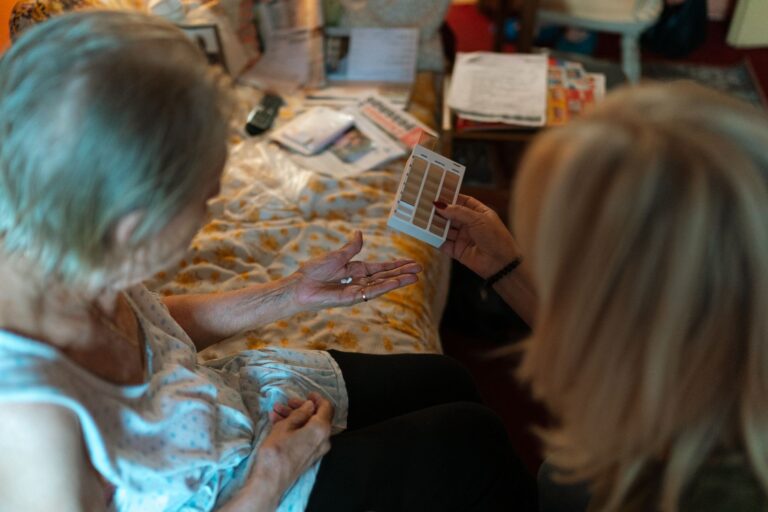
About 5.2 million care partners provided 6.8 billion hours of unpaid dementia care in 2026, valued at $237 billion, according to MedicalXpress reporting on the USC-led study unpaid burden report. Many are spouses, family, and friends in prime working years. The hours reflect daily supervision, personal care, and household support.
Persons with dementia and partners together forgo $23 billion in yearly earnings, the USC-led study in Alzheimer's & Dementia reports Alzheimer's & Dementia study. Care partners account for $9 billion of that loss. Quality-of-life loss adds $320 billion for patients and $15 billion for care partners.
Why a spouse means more unpaid care
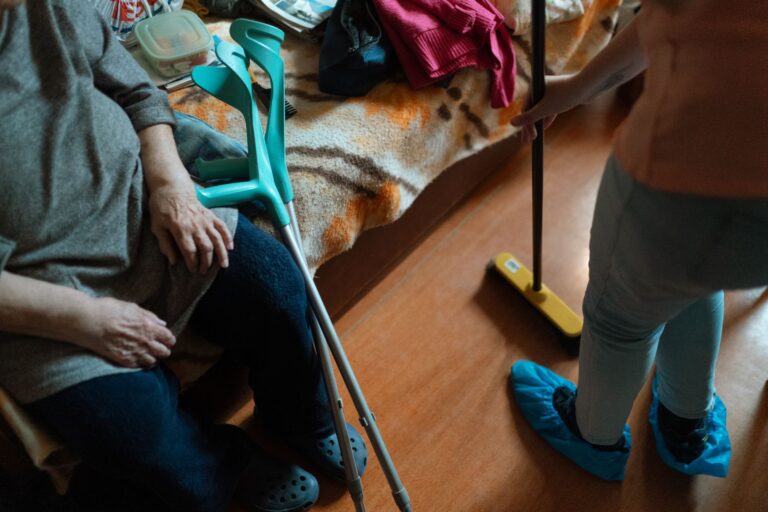
Reliance on unpaid rather than paid care rises when a spouse or adult children can serve as primary caregivers, Alzheimers.gov reports on a NIA-supported University of Michigan study. Spouses and partners then absorb the intensive home-care burden. They also provide later support around nursing-home care.
That pattern concentrates long hours in one household. It can reduce paid help early and extend family duty across years. For partners, availability itself raises expected unpaid time.
How to plan for long care hours
For spouses and partners, the practical implication is to plan for prolonged high-hour unpaid care, lost household earnings, and out-of-pocket long-term-care gaps, the Alzheimer's Association notes. The Summit flags caregiver intervention, respite, and economic-support research as priorities. Planning can start while needs are still mild.
- Track weekly care hours and tasks that disrupt work or sleep
- Review household earnings, leave options, and backup helpers
- List long-term-care gaps, home-help costs, and respite sources
- Ask the care team about caregiver programs and local support
What the numbers still miss
Estimates remain projections modeled from Health and Retirement Study data from 1998-2020 and federal CMS sources, McKnight's Senior Living reports on the study methods. Wide uncertainty intervals surround the totals.
Hidden family costs and continued costs after nursing-home entry are still likely missing, the NIA Summit notes. Treat the dollar figures as planning guides, not household bills. Use them to discuss coverage, work changes, and help at home before strain builds.
You Might Also Like
- Unpaid Dementia Care Costs in the 2026 NIA Summit Report: What Spouses and Partners Can Check in Their Community
- Insurance Fragmentation and Dementia Costs in the 2026 NIA Report: What Spouses and Partners Can Check in Their Community
- Financial Vulnerability Before Dementia Diagnosis in the 2026 NIA Report: What Spouses and Partners Can Check in Their Community