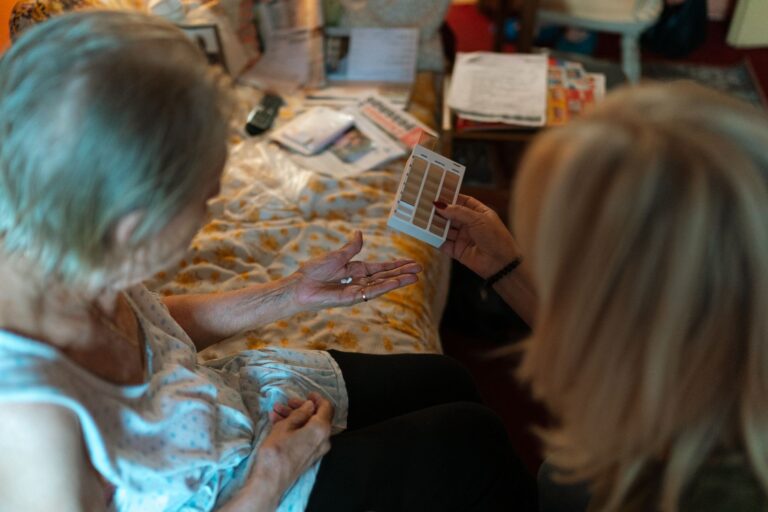
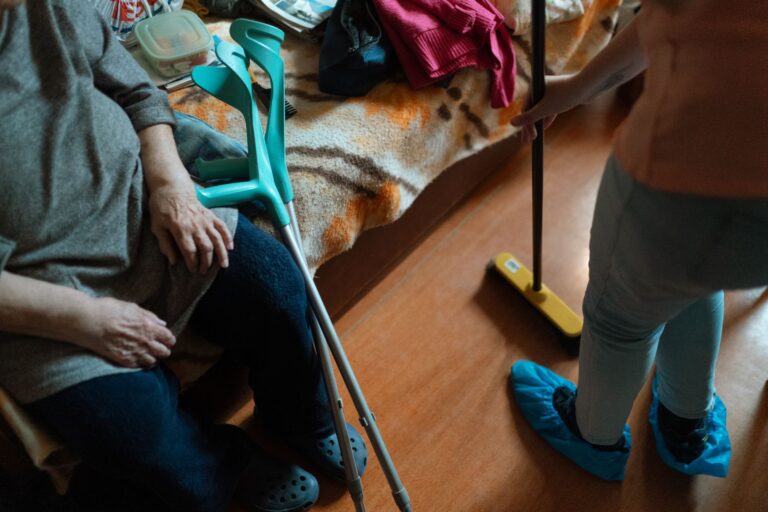
Unpaid dementia care cost $237 billion for 6.8 billion hours in 2026, and long-distance caregivers carry added coordination and access strain. The National Institute on Aging held its 2026 Dementia Care and Caregiving Research Summit virtually on March 17-19 to review progress and set research priorities.
Unpaid care means hands-on help, supervision, and coordination by family and friends without pay. Long-distance caregivers live at least one hour from the person with dementia. For them, cost means money, time, lost earnings, and lost quality of life.
Medical information disclaimer: This article is for general educational purposes only and does not provide medical advice, diagnosis, or treatment. Always consult a physician or other qualified health professional about symptoms, medications, tests, or treatment decisions.
Table of Contents
- What did the 2026 summit discussion put on the table?
- Why do unpaid-care numbers differ?
- Why does distance raise cost and access questions?
- What supports can distance caregivers check now?
What did the 2026 summit discussion put on the table?
The summit reviewed dementia care research progress and identified unmet needs for NIH milestones and the National Plan, according to the HHS ASPE April 2026 meeting summary. It did not set a treatment or payment rule. It framed gaps that future studies should fill. Around the same discussion, the NIA-funded U.S.
Cost of Dementia Project estimated $818 billion in total 2026 U.S. dementia costs. That total included $237 billion for unpaid care and $222 billion for medical and long-term care, reported by authors in Alzheimer's and Dementia in the PubMed Central 2026 cost study. The same model added $320 billion for quality-of-life loss for people with dementia. It also counted $15 billion in caregiver quality-of-life loss and $23 billion in forgone earnings, according to News-Medical reporting the study.
Why do unpaid-care numbers differ?
Valuation method drives the gap. The 2026 cost model counted 5.2 million caregivers and 6.8 billion unpaid hours at $237 billion. The Alzheimer's Association counted nearly 12 million family members and friends, 19.2 billion hours, and $413 billion for 2025, separate from $384 billion in formal care costs. Different years, caregiver definitions, hour counts, and dollar values per hour produce different totals.
Neither total is a household bill. Each shows the scale of labor shifted to families. Readers should treat $818 billion as uncertain, not exact. Cost totals vary by method, with wide uncertainty, and the summit report sets priorities rather than one payment rule.
Why does distance raise cost and access questions?
Long-distance caregivers number about 1.7 million among more than 11 million U.S. dementia caregivers. Standard burden scales often miss their strain because those tools assume daily in-person care. Distance adds travel, paid backup, duplicate supplies, and time spent coordinating by phone.
About three-quarters of family caregivers have routine out-of-pocket costs averaging $7,242 per year, about 26% of income, with larger strain for Hispanic/Latino, Black, younger, and dementia caregivers, according to the AARP 2021 out-of-pocket costs study. Navigation is a second gap. Only about 51% of dementia caregivers have discussed health-system navigation with a professional, while 97% say such services would help. Distance coordinators often manage referrals, discharges, and home services without local contacts.
What supports can distance caregivers check now?
The CMS GUIDE Model offers eligible Original Medicare families a navigator, written care plan, 24/7 support line, caregiver training, and up to $2,500 yearly in respite at no cost. Ask these direct questions: Keep one shared record with diagnoses, drugs, allergies, providers, legal documents, and paid-help hours.
Name one local contact for urgent visits. Review travel, backup care, and time-off plans before a crisis forces quick spending.
- Is there a confirmed dementia diagnosis in the medical record?
- Does the regular provider participate in GUIDE?
- Who serves as navigator, and how do remote family members join care-plan visits?
- How is the 24/7 line reached, and what counts as respite under the $2,500 benefit?
You Might Also Like
- Unpaid Dementia Care Costs in the 2026 NIA Summit Report: Questions Working Dementia Caregivers Can Ask Local Care Programs
- Strengths-Based Dementia Care in the 2026 NIA Report: Questions Spouses and Partners Can Ask Local Care Programs
- The 2026 NIA Workshop on Comprehensive Dementia Care Models: What Changed and What Comes Next for Adult Children