Reviewed by the Help Dementia Editorial Team — our editors review every article for accuracy against guidance from the National Institute on Aging, the Alzheimer’s Association, and peer-reviewed sources.
Umcka, derived from the Pelargonium sidoides plant, may help reduce the severity and duration of colds, but the evidence for preventing cold-triggered asthma attacks specifically is limited and mixed. While some people report fewer asthma symptoms when using Umcka during a respiratory illness, research hasn’t conclusively shown that the supplement directly prevents asthma exacerbations triggered by colds. What we do know is that Umcka appears to work by reducing inflammation and mucus production in the respiratory tract, which theoretically could help with asthma symptoms—but managing cold-triggered asthma involves more comprehensive strategies than any single supplement can provide.
For someone experiencing cold-triggered asthma, the practical reality involves a combination of approaches. Consider Sarah, a 67-year-old who noticed that her mild asthma worsened significantly whenever she caught a cold. She started taking Umcka at the first sign of symptoms and reported that her colds resolved faster, which sometimes meant her asthma flare-ups were less severe overall. However, her pulmonologist emphasized that this benefit likely came from shortening the cold’s duration rather than Umcka directly protecting her airways from asthma triggers.
Table of Contents
- What Is Umcka and How Does It Work on Respiratory Infections?
- The Evidence on Umcka for Cold-Triggered Asthma Specifically
- How Cold Viruses Trigger Asthma and Where Umcka Might Help
- Practical Considerations for Using Umcka Alongside Asthma Management
- Safety Concerns and Drug Interactions
- Alternative and Complementary Approaches for Cold-Triggered Asthma
- When to Seek Professional Guidance and Future Outlook
- Conclusion
- Frequently Asked Questions
What Is Umcka and How Does It Work on Respiratory Infections?
Umcka, also called EPs 7630 in clinical literature, is a trademarked extract from Pelargonium sidoides, a plant native to South Africa traditionally used for respiratory ailments. The extract contains compounds that appear to have anti-inflammatory and antimicrobial properties, and it’s been studied for reducing symptoms of acute bronchitis, cough, and common cold duration. In clinical trials, Umcka has shown modest benefits—typically reducing cold symptom duration by 2-4 days and decreasing symptom severity, which makes it more effective than many over-the-counter remedies. The mechanism appears to involve reducing the inflammatory cascade that occurs during a viral respiratory infection. When you have a cold, your body releases inflammatory molecules that cause mucus production, airway swelling, and coughing.
By dampening this response, Umcka may help you feel better faster and potentially reduce secondary complications. For someone with asthma, this could theoretically mean less airway irritation during the infection period, potentially resulting in fewer or milder asthma symptoms. However, it’s important to distinguish between reducing cold symptoms and preventing asthma attacks. A cold-triggered asthma exacerbation happens when the viral infection or the inflammatory response irritates oversensitive airways. Even if Umcka shortens your cold by two days, if those two days happen to be when your airways are most reactive, you might still experience significant asthma symptoms.

The Evidence on Umcka for Cold-Triggered Asthma Specifically
Research on Umcka has focused primarily on shortening cold duration and reducing cough severity in the general population, not specifically on preventing asthma exacerbations. This is an important limitation: there are no large-scale clinical trials specifically examining whether Umcka prevents or reduces cold-triggered asthma attacks in people with diagnosed asthma. The existing data comes from studies in people without asthma or from anecdotal reports from people using it alongside their regular asthma medications. A significant warning here: if you have asthma and you’re considering Umcka as a preventive strategy for colds, you should not view it as a replacement for your prescribed asthma controller medications (such as inhalers containing corticosteroids).
Your asthma action plan, developed with your doctor, is what’s proven to prevent attacks during respiratory infections. Some people make the mistake of discontinuing their regular asthma preventers when they start taking a supplement, which can be dangerous. The quality of evidence matters too. Most Umcka studies have been conducted in Europe, where the supplement is more commonly prescribed and regulated as a phytopharmaceutical. In the United States, it’s available as a dietary supplement, which means it faces less stringent regulation and your supplement may vary in concentration and purity depending on the brand.
How Cold Viruses Trigger Asthma and Where Umcka Might Help
When a cold virus infects your respiratory tract, it causes inflammation of the nasal passages, throat, and airways. In people with asthma, this inflammation can trigger a cascade of events: the airways become more sensitive, mucus production increases, and smooth muscle in the airways may constrict. This happens because people with asthma have inherently more reactive airways—a characteristic called bronchial hyperresponsiveness. The timing of when you take Umcka matters considerably. If you start Umcka at the very first sign of a cold—when you feel that initial tickle in your throat or fatigue that signals a viral infection—you might catch the inflammation early.
Some users report that this early intervention helps prevent the full progression into a severe cold that would trigger serious asthma symptoms. For example, someone might notice reduced coughing by day three of the illness instead of day six, which means fewer days of airway irritation affecting their asthma. That said, the relationship between cold severity and asthma triggers isn’t always linear. Two people with the same severity of cold may experience very different asthma responses depending on their individual airway sensitivity, their current asthma control status, and whether they’re in a period of high environmental allergen exposure. This unpredictability is why your baseline asthma management is so critical.
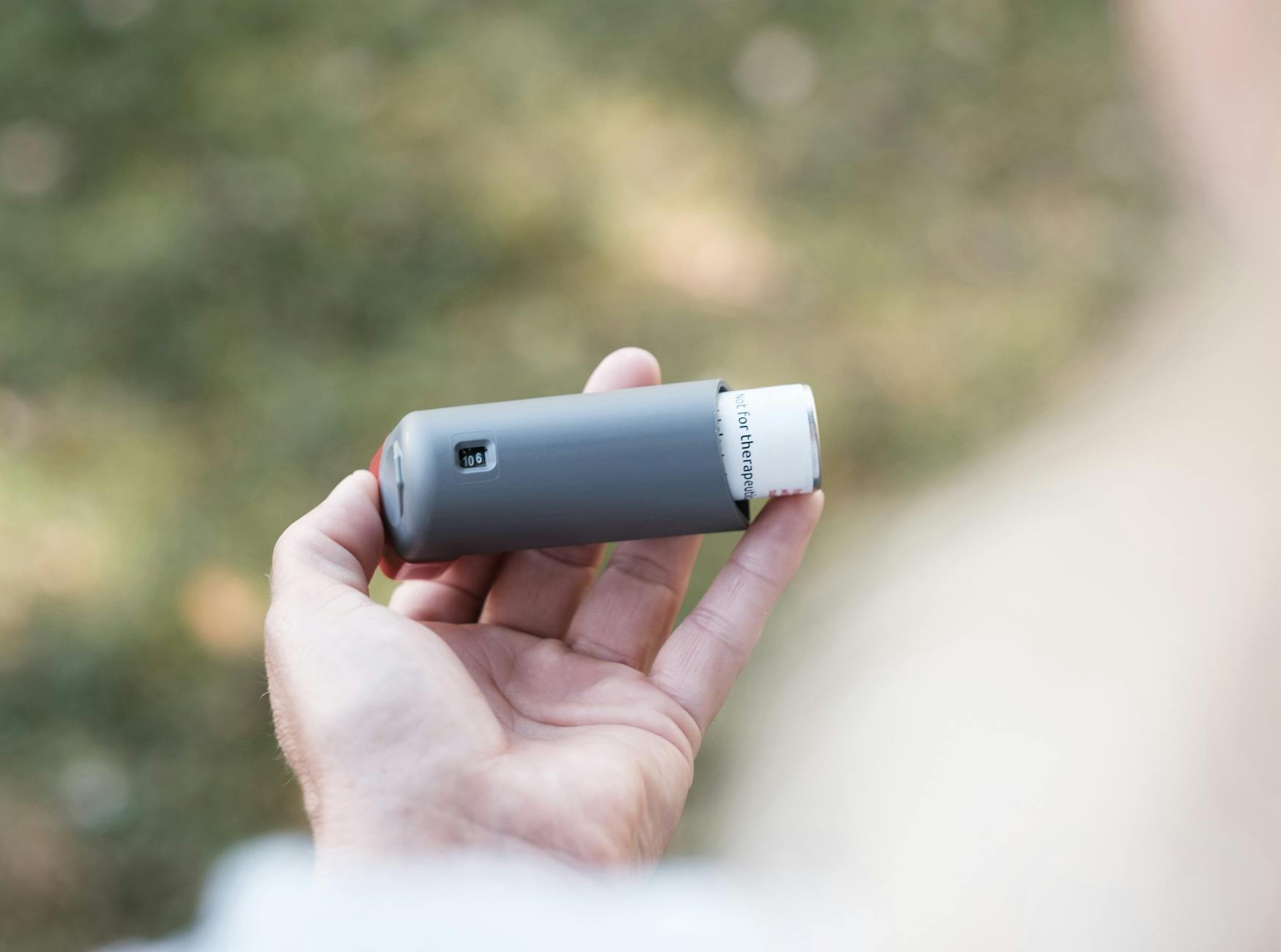
Practical Considerations for Using Umcka Alongside Asthma Management
If you decide to try Umcka for cold prevention, the typical recommended dose is 30 drops of liquid extract (or one tablet, depending on the formulation) three times daily, starting as soon as you notice cold symptoms. Many people choose liquid formulations because they can start taking them immediately, whereas pills require purchasing from a store. The key practical point is timing: Umcka appears most effective when started within the first 48 hours of symptom onset. A tradeoff to consider: some Umcka products contain alcohol (if they’re liquid extracts), which certain people should avoid.
Additionally, the cost varies significantly—liquid extracts typically cost $15-30 for a bottle lasting about one to two courses of illness, while tablet forms may cost differently per dose. For someone who gets multiple colds per winter, this can add up. Conversely, if Umcka genuinely shortens a cold from seven days to five days and prevents an asthma flare-up requiring urgent care or a prednisone prescription, the value calculation becomes clearer. Many asthma specialists recommend patients ask: “Is this supplement helping my asthma symptoms, or just helping my cold symptoms?” You can assess this by keeping a symptom diary during a cold where you use Umcka, noting both cold progression (congestion, cough, sore throat) and asthma-specific symptoms (shortness of breath, wheezing, chest tightness, nighttime awakenings). This helps distinguish whether Umcka is truly affecting your asthma or just making you feel better overall.
Safety Concerns and Drug Interactions
Umcka is generally considered safe with a low side effect profile—most reported effects are mild, such as stomach upset or dizziness in a small percentage of users. However, important safety considerations exist for people with certain conditions or taking specific medications. Anyone with blood clotting disorders, on blood thinners like warfarin, or scheduled for surgery should discuss Umcka with their doctor, as some research suggests it may have mild anticoagulant properties. A critical warning for asthma patients: do not use Umcka as an excuse to delay or reduce your prescribed asthma medications during a respiratory illness.
Some people falsely believe that if they’re taking a “natural” supplement, they don’t need their inhalers. This is dangerous. In fact, people with asthma should maintain or even increase their use of rescue inhalers during a cold, and may need oral corticosteroids if their symptoms worsen. Umcka could support your overall approach to managing the cold, but it’s not a substitute for proven asthma medications. People with immune disorders or taking immunosuppressive medications (including some used for autoimmune conditions) should check with their healthcare provider before starting Umcka, as it may have immunomodulating effects.

Alternative and Complementary Approaches for Cold-Triggered Asthma
Beyond Umcka, several evidence-backed strategies specifically help prevent cold-triggered asthma exacerbations. Regular asthma controller medication (usually an inhaled corticosteroid) is the foundation—people who use these consistently have fewer cold-related asthma attacks. Flu and pneumonia vaccination also reduce the risk of severe respiratory infections that would otherwise trigger asthma.
During a cold, practical measures include using a humidifier to keep air moist (dry air worsens asthma symptoms), staying hydrated, and avoiding smoke and other irritants. Some people benefit from saline rinses to reduce nasal congestion, which can help with overall asthma symptoms since post-nasal drip irritates airways. A low-cost comparison: saline rinses cost $5-10 and have strong evidence for symptom relief, while Umcka costs more and has weaker evidence specifically for asthma prevention.
When to Seek Professional Guidance and Future Outlook
The future of managing cold-triggered asthma likely involves more personalized approaches—some people genuinely do seem to benefit from supplementary anti-inflammatory support during infections, while others respond better to traditional medication adjustments alone. Biomarkers and genetic testing may eventually help identify who’ll benefit from which approaches, but we’re not there yet.
For now, your best strategy involves partnering with your healthcare provider to develop an asthma action plan specifically addressing cold season. If you’re interested in trying Umcka, discuss it with your pulmonologist or allergist first. They can advise whether it’s appropriate for your specific asthma profile and help you distinguish between placebo effect and genuine symptom improvement if you do try it.
Conclusion
Umcka may have a modest supportive role in managing colds, which can indirectly help with cold-triggered asthma by shortening illness duration. However, it is not a proven asthma-specific treatment and should never replace your prescribed asthma controller and rescue medications.
The most important steps for preventing cold-triggered asthma exacerbations remain keeping your asthma well-controlled year-round, staying current with vaccinations, and having a clear action plan from your healthcare provider for managing asthma during respiratory infections. If you’re experiencing frequent cold-triggered asthma attacks despite using prescribed medications, that’s a sign to talk with your doctor about adjusting your asthma management strategy rather than looking for supplements to compensate. A healthcare provider can assess whether your current controller medication is adequate or whether additional preventive measures might help.
Frequently Asked Questions
Can I take Umcka instead of my asthma inhaler during a cold?
No. Umcka may help your cold resolve faster, but it doesn’t replace the proven ability of asthma medications to prevent airway constriction. Continue using your inhaler as prescribed, and use your rescue inhaler if you experience asthma symptoms.
How quickly does Umcka start working?
Most people report noticing improvements in cold symptoms within 2-3 days of starting treatment, with maximum benefit typically seen by day 7. It’s most effective when started within the first 48 hours of symptom onset.
Are there side effects if I use Umcka regularly throughout the cold season?
Umcka is designed for acute use—treating an active cold rather than ongoing prevention. Using it preventively (when you’re not sick) hasn’t been extensively studied and isn’t the typical use pattern recommended.
Will Umcka prevent me from catching a cold?
No. Umcka appears to reduce cold duration and symptom severity once you’re infected, but it doesn’t prevent catching a cold in the first place. Vaccination, hand hygiene, and avoiding close contact with sick people remain the primary prevention strategies.
Is Umcka safe to use with other asthma medications?
Most asthma medications don’t have documented interactions with Umcka, but you should inform your doctor that you’re using it. This is especially important if you take multiple medications or have other health conditions.
What’s the difference between Umcka and other cold remedies I can buy over the counter?
Umcka has more research supporting its effectiveness compared to many common over-the-counter cold medications. However, evidence is still limited compared to prescription asthma treatments. The best choice depends on your individual response and your doctor’s recommendations.