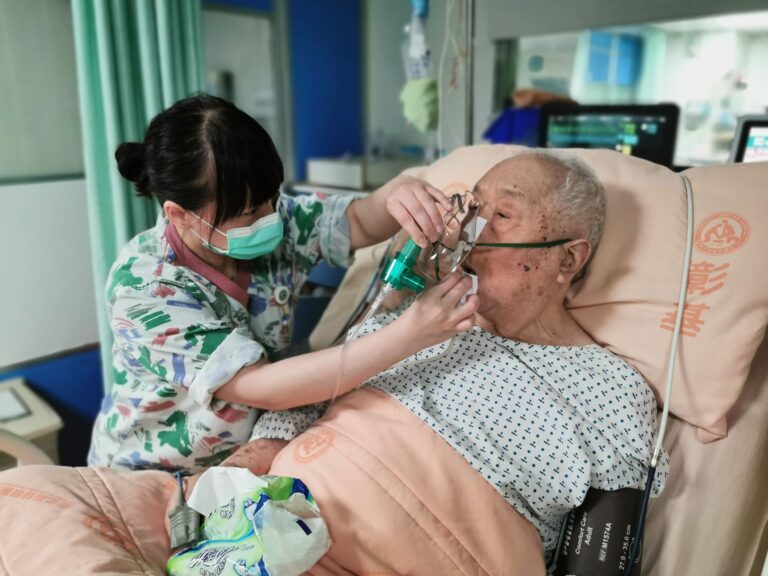
UAS-CLEAR, a new nationally representative longitudinal study of caregiving experiences and well-being, prioritizes daily burden, intensity, rewards, and health across diverse caregivers. Spouses and partners can avoid overreading the headline by converting relative risk into absolute risk and using it as a prompt for screening. Daily strain matters because spouse caregivers report the greatest burden and intensity. A separate large spouse study reports higher dementia in exposed partners, but the five-year absolute increase is only a few percentage points.
Medical information disclaimer: This article is for general educational purposes only and does not provide medical advice, diagnosis, or treatment. Always consult a physician or other qualified health professional about symptoms, medications, tests, or treatment decisions.
Table of Contents
- What is UAS-CLEAR tracking in 2026?
- Why do spouses carry the heaviest load?
- What does 74 percent higher really mean?
- How should partners act without alarm?
What is UAS-CLEAR tracking in 2026?
UAS-CLEAR combines new surveys with daily assessments and wearables. It captures daily life for Alzheimer's-related and non-Alzheimer's caregivers across diverse social partners, according to the University of Michigan Survey Research Center. The Understanding America Study panel behind it houses about 15,000 U.S.
residents recruited by address-based sampling, with tablets provided if needed, according to the USC Center for Economic and Social Research Data Toolbox. As of April 10, 2026, the baseline included 1,440 informal adult caregivers of adults age 50-plus, according to the a2 Collective Coordinating Center. Sixty-six percent were female, 63% were over 50, and 25.8% cared for memory issues including mild impairment or dementia.
Why do spouses carry the heaviest load?
In national analysis of 2,202 caregivers ages 18 to 102, including 67% women, spouse caregivers reported the greatest burden and caregiving intensity, according to Innovation in Aging via the University of Michigan in its Innovation in Aging analysis. The same analysis found dementia caregivers reported greater burden and intensity than non-dementia caregivers.
Fewer rewards accompanied that heavier load for dementia caregivers. Rewards here mean positive feelings such as purpose, closeness, or satisfaction from helping. For spouses, long hours, interrupted sleep, and emotional worry can shrink those rewards.
What does 74 percent higher really mean?
A Taiwan nationwide matched cohort of nearly 955,105 married people followed in health insurance records from 1998 to 2022 studied partners exposed to a spouse's dementia, according to JAMA Network reporting via BrightSurf in its BrightSurf summary of the spouse dementia study. Exposed wives had a hazard ratio of 1.74 and exposed husbands had 1.69 for all-cause dementia. Hazard ratio means the rate of new cases compared over time.
The headline 74% higher in wives and 69% higher in husbands equals about 6.5% versus 3.7% in women and 9.2% versus 5.8% in men over five years, according to MedicalXpress summarizing Wang and colleagues in its MedicalXpress summary of the findings. That gap is 2.75 points for women and 3.49 points for men. Most exposed spouses did not develop dementia in that window.
How should partners act without alarm?
The cohort design is observational and cannot prove cause or contagion, with effects varying by family and socioeconomic context, according to the EMJ Reviews neurology summary. Partners should treat the result as a risk-group flag, not a prediction. Useful next moves draw directly from that flag for screening, support, sleep and stress care, and shared-lifestyle prevention: Schedule the check, protect one sleep habit, and name one backup helper this month.
- book memory and vascular checks for both partners and bring medication lists
- line up respite, counseling, or caregiver training before exhaustion builds
- protect sleep, treat low mood and anxiety, and keep daily contact with others
- walk together, eat balanced meals, control pressure and sugar, and avoid smoking
You Might Also Like
- NHATS and NSOC Dementia Care Data Priorities in 2026: How Spouses and Partners Can Avoid Overreading the Headline
- Home-Based Dementia Care Research Priorities in 2026: Care-Planning Implications for Working Dementia Caregivers
- CMS GUIDE Care Navigation in 2026: Care-Planning Implications for Rural Dementia Families