Reviewed by the Help Dementia Editorial Team — our editors review every article for accuracy against guidance from the National Institute on Aging, the Alzheimer’s Association, and peer-reviewed sources.
Triamcinolone is a corticosteroid medication that athletes use to manage inflammation and joint pain, but it requires careful consideration before use because it carries both benefits and risks. For athletes dealing with acute inflammation—whether from injury, arthritis, or chronic overuse—triamcinolone can provide relief through injections directly into affected areas like knees, shoulders, or elbows, often allowing faster return to training.
However, the medication is not a cure; it masks pain and reduces swelling temporarily, which can enable athletes to re-injure themselves if they resume activity too quickly without addressing the underlying cause. Triamcinolone injections have become common in sports medicine, particularly for athletes who need to continue competing or training while managing chronic conditions. A runner with knee osteoarthritis might receive a triamcinolone injection to compete in a championship event, but this same injection carries the risk of cartilage damage with repeated use, making long-term strategy essential.
Table of Contents
- How Does Triamcinolone Work for Athletic Injuries?
- Risks and Side Effects of Triamcinolone Injections
- Triamcinolone vs. Other Athletic Pain Management Options
- Practical Timing and Preparation for Triamcinolone Use
- Recognition of Warning Signs and Complications
- Monitoring and Long-Term Considerations
- Future Approaches and Evolving Treatment Landscape
- Conclusion
- Frequently Asked Questions
How Does Triamcinolone Work for Athletic Injuries?
Triamcinolone reduces inflammation by suppressing immune response in the affected area, which decreases swelling, pain, and stiffness within days of injection. This targeted approach means the medication works locally rather than throughout the entire body, reducing some of the systemic side effects of oral corticosteroids. For a tennis player with elbow inflammation (lateral epicondylitis), a single injection might restore enough function to play matches again, whereas weeks of oral medication would be needed for comparable relief. The medication begins working within 24 to 48 hours, with peak effectiveness around one to two weeks.
Athletes appreciate the relatively quick relief compared to physical therapy alone, though the injection process itself—which uses a needle to reach the affected joint or tissue—requires precision and carries risks if administered incorrectly. Sports medicine physicians must locate the exact site of inflammation, which sometimes involves ultrasound guidance to ensure accuracy and minimize complications. One important limitation: triamcinolone does not heal the underlying injury. It temporarily reduces pain and swelling, which may allow healing to progress faster if combined with proper rehabilitation. An athlete who receives an injection without modifying training intensity risks worsening the injury once the medication wears off, typically in three to six months.
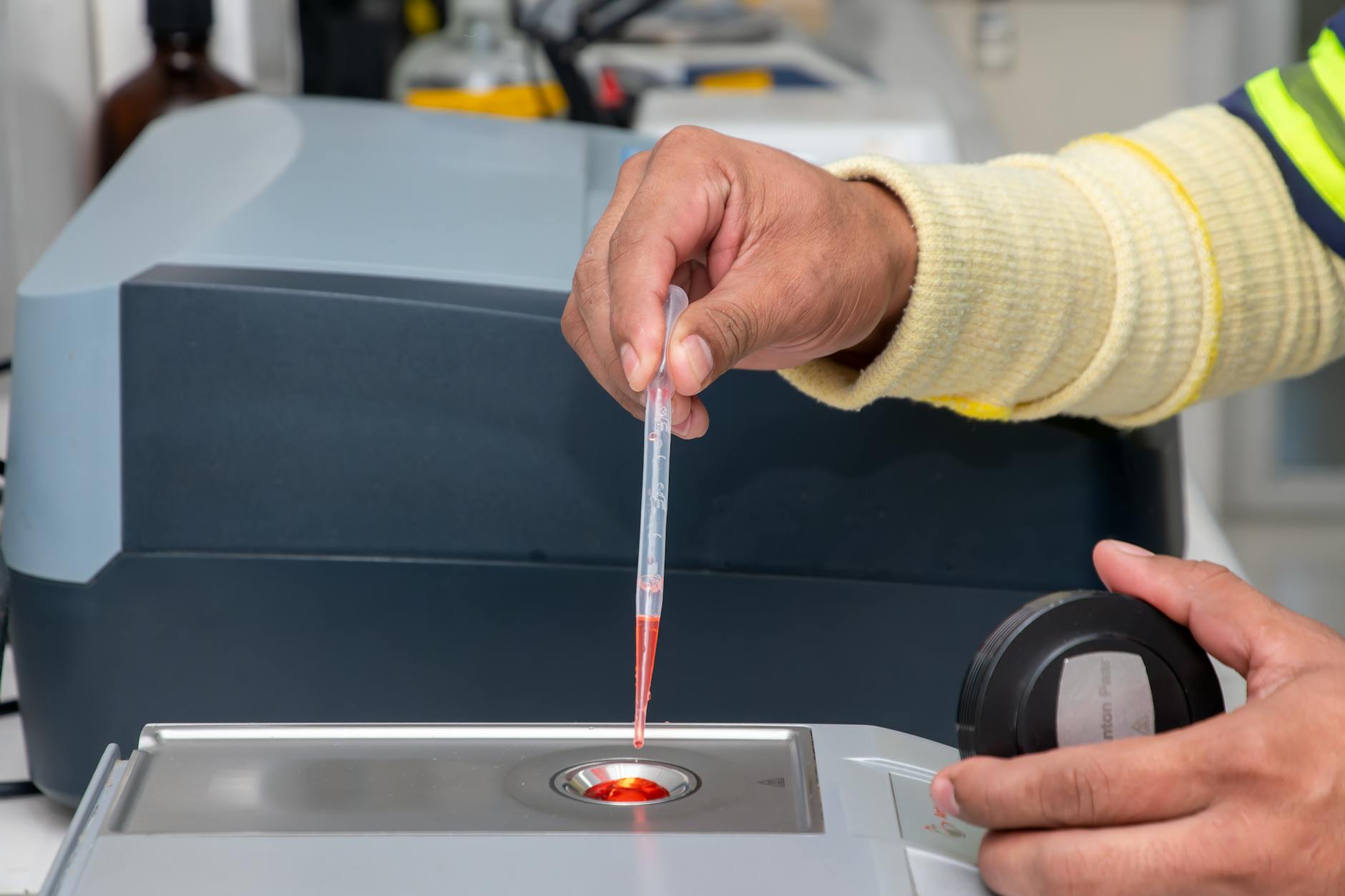
Risks and Side Effects of Triamcinolone Injections
The most serious risk with repeated triamcinolone injections is cartilage damage. Corticosteroids can accelerate cartilage breakdown, particularly in weight-bearing joints like knees and hips, making frequent injections a concern for athletes who want to continue competing long-term. Some research suggests limiting injections to three to four per year in the same joint, though individual tolerance varies. A soccer player receiving three triamcinolone injections to the same knee over a season might face accelerated arthritis within a few years compared to athletes who avoid injections.
Beyond cartilage issues, local side effects include temporary pain at the injection site, skin depigmentation around the injection area, and infection if sterile technique is compromised. Systemic side effects are less common with localized injections than oral steroids but remain possible, including elevated blood sugar, mood changes, and sleep disruption. Athletes with diabetes must monitor blood glucose more carefully after receiving triamcinolone, as it can raise blood sugar levels. Another limitation often overlooked: triamcinolone does not address biomechanical problems that caused the injury initially. A runner with knee pain from muscle imbalances may receive temporary relief from an injection but continue damaging the knee unless underlying weakness or movement patterns are corrected through physical therapy and training modification.
Triamcinolone vs. Other Athletic Pain Management Options
Compared to nonsteroidal anti-inflammatory drugs (NSAIDs) like ibuprofen, triamcinolone injections provide longer-lasting relief and avoid the gastrointestinal and cardiovascular risks of chronic NSAID use. An athlete managing shoulder inflammation with daily ibuprofen might suffer stomach issues or increased bleeding risk, whereas a single triamcinolone injection avoids these systemic effects. However, NSAIDs work throughout the entire body and can be adjusted or stopped immediately if problems develop, while an injection’s effects cannot be quickly reversed. Physical therapy and rehabilitation offer another alternative, typically requiring weeks or months but addressing root causes rather than masking symptoms.
Many sports medicine experts recommend attempting conservative treatment—physical therapy, rest modification, ice, compression—before considering injections. An elite volleyball player might avoid an injection entirely through intensive shoulder stability training, though this requires patience and access to qualified physical therapists. Platelet-rich plasma (PRP) injections and other biologic treatments represent newer alternatives, with proponents claiming these regenerative approaches promote actual healing rather than temporary inflammation reduction. However, PRP is expensive, not universally covered by insurance, and evidence for superiority over triamcinolone remains mixed. An athlete choosing between a $150 triamcinolone injection and a $2,000 PRP procedure faces both cost and uncertainty about long-term outcomes.
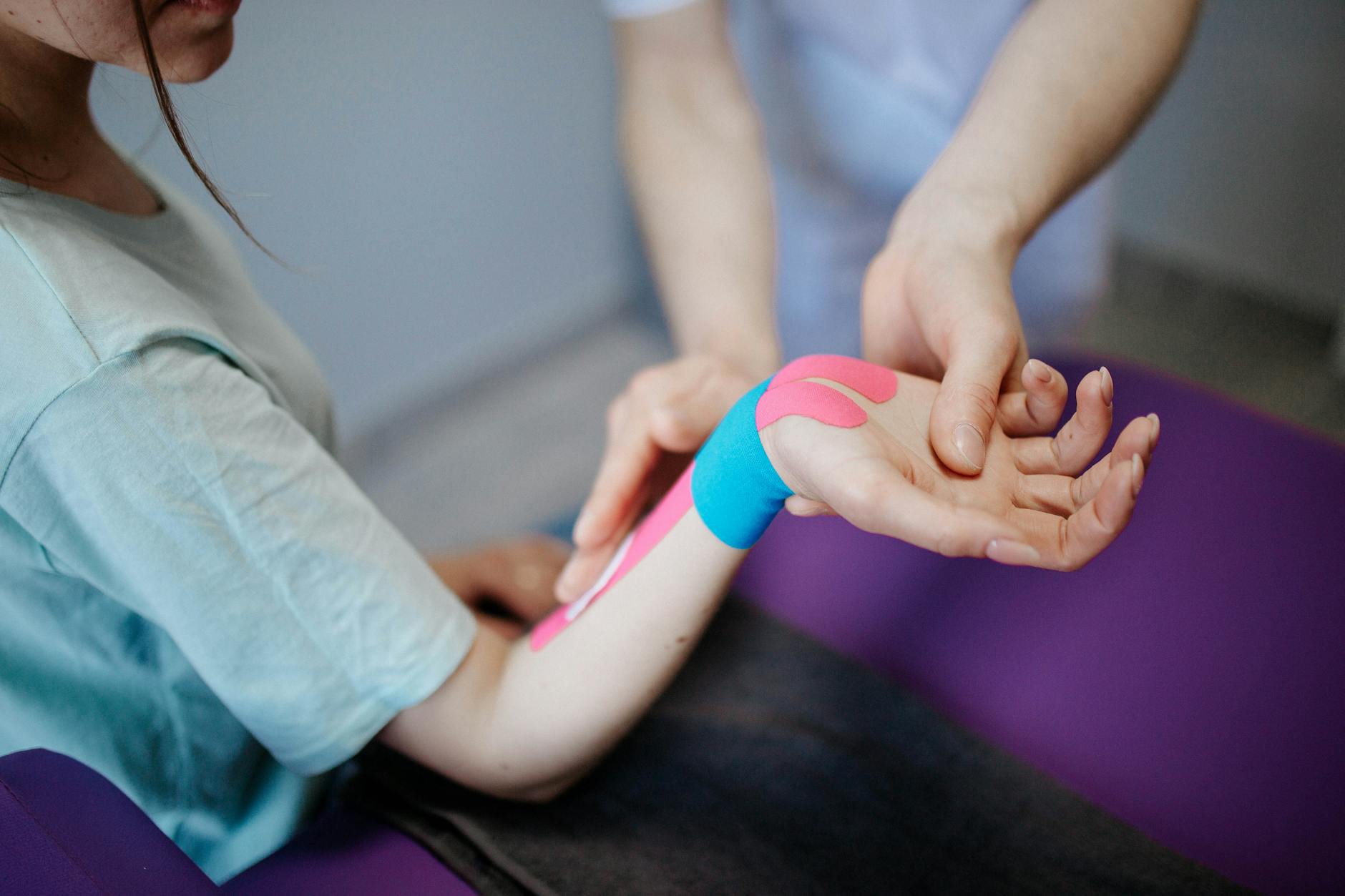
Practical Timing and Preparation for Triamcinolone Use
Athletes must time triamcinolone injections strategically, ideally not immediately before competition when post-injection swelling and temporary pain flare could occur. Most physicians recommend a 48-hour to one-week recovery period after injection before returning to intense activity, though the injection itself typically causes minimal downtime. A marathoner planning to inject triamcinolone for knee pain should do so at least one to two weeks before race day to ensure the medication has taken full effect and any post-injection inflammation has resolved. Before receiving an injection, athletes should provide complete medical history including current medications, blood sugar levels, and any immunosuppression concerns.
Infection risk increases in athletes with diabetes or those taking immunosuppressant medications, making pre-injection screening essential. A cyclist taking medications for an autoimmune condition should discuss timing with both their rheumatologist and sports medicine physician to ensure the injection won’t interfere with disease management. Preparation also involves understanding that an injection is not a treatment plan—it should be part of a comprehensive strategy including physical therapy, training modification, and addressing underlying causes. Athletes who view injections as a shortcut rather than a bridge to healing often face worse outcomes long-term.
Recognition of Warning Signs and Complications
Severe or worsening pain after a triamcinolone injection, particularly with redness, warmth, or swelling lasting more than a few days, may indicate infection and requires immediate medical evaluation. Infection in a joint is serious and can cause lasting damage if not treated promptly. An athlete assuming post-injection pain is normal and continuing to train could allow an infection to progress unchecked. Nerve or blood vessel damage during injection, though rare with experienced physicians, causes sharp, shooting pain or unusual numbness immediately during the procedure.
If this occurs, the patient should inform the provider immediately, as repositioning the needle may correct the issue. Athletes should never ignore new neurological symptoms after an injection. Skin damage, including depigmentation or fat atrophy at the injection site, is cosmetic but permanent in some cases. Athletes with darker skin tones may be more bothered by depigmentation, making skin color a legitimate concern to discuss before injection. Additionally, repeated injections to the same area increase cumulative risks, so spacing injections and rotating injection sites (when multiple joints are affected) reduces overall risk.

Monitoring and Long-Term Considerations
Athletes using triamcinolone injections benefit from regular imaging—X-rays or MRI—to monitor cartilage status, particularly if injections become a recurring strategy. A volleyball player planning to play professionally into their 30s should track cartilage thickness and joint alignment over time rather than assuming repeated injections carry no consequence. Preventive monitoring allows early detection of cartilage loss, enabling strategy adjustments before significant damage occurs.
Long-term use of triamcinolone injections should be the exception, not the standard practice. Athletes accepting that repeated injections lead to eventual joint degradation may choose early retirement, career modification, or acceptance of reduced performance rather than pursuing aggressive injection schedules that guarantee long-term problems. Understanding this tradeoff upfront allows athletes to make informed decisions aligned with their actual goals rather than temporary competitive pressures.
Future Approaches and Evolving Treatment Landscape
The field of sports medicine continues developing alternatives to traditional triamcinolone injections, including ongoing research into regenerative medicine, precision injection techniques guided by advanced imaging, and personalized approaches that consider individual cartilage vulnerability. These emerging options may eventually reduce reliance on corticosteroids for athletic injuries, but they remain experimental or expensive for most athletes currently.
As athletes age—particularly those who remain competitive into middle age or later—cumulative effects of previous triamcinolone use may become apparent. Athletes who received multiple injections during their 20s and 30s might face premature arthritis by their 50s, highlighting the importance of viewing these injections as temporary tools rather than permanent solutions.
Conclusion
Triamcinolone offers real, immediate relief for athletes managing inflammation and joint pain, making it a valuable tool in sports medicine when used thoughtfully. However, the temporary nature of relief combined with potential long-term cartilage damage means athletes should approach injections as part of a broader strategy that includes physical therapy, biomechanical correction, and strategic training modification—not as a shortcut to continued pain-free performance.
Before pursuing triamcinolone, athletes should discuss alternatives with their sports medicine physician, understand the specific risks for their joint and situation, and establish realistic expectations about how the injection fits into their long-term athletic and health goals. Those willing to invest in physical therapy, accept temporary training modifications, and prioritize long-term joint health often avoid injections entirely, whereas those seeking quick fixes without addressing underlying causes frequently require repeated injections with accumulating risk.
Frequently Asked Questions
How long does a triamcinolone injection last for athletic pain?
Most athletes experience pain relief for three to six months after a single injection, with peak effectiveness in the first two weeks. Individual response varies, and some athletes’ relief lasts only six to eight weeks, while others report three to four months of improvement.
Can I play or train immediately after a triamcinolone injection?
Most physicians recommend light activity only for the first 24 to 48 hours after injection, with gradual return to normal activity over the next week or two. Intense training immediately after injection risks post-injection swelling and pain flare, so waiting at least one to two weeks before maximal effort is standard advice.
How many triamcinolone injections can I safely receive per year?
Current guidance suggests limiting injections to three to four per year in the same joint, though individual factors including age, joint type, and cartilage status influence this limit. Athletes should discuss their specific situation with their sports medicine physician rather than assuming the same limit applies to everyone.
Will triamcinolone injections heal my injury?
No—triamcinolone reduces inflammation and pain temporarily but does not heal the underlying cause of injury. Physical therapy, training modification, and biomechanical correction are necessary alongside or instead of injections to actually resolve the problem.
What’s the difference between triamcinolone injections and taking ibuprofen for athletic pain?
Triamcinolone injections provide targeted, longer-lasting relief in a specific joint or area, while ibuprofen affects the entire body. Injections avoid systemic side effects of chronic NSAID use but carry local risks including cartilage damage with repeated use, whereas NSAIDs can be stopped immediately if problems develop.
Are triamcinolone injections covered by insurance for athletes?
Coverage depends on the insurance plan and whether the injection is deemed medically necessary for the specific condition. Many plans cover injections for documented arthritis, bursitis, or other inflammatory conditions, but some limit coverage to a certain number per year or joint.