Reviewed by the Help Dementia Editorial Team — our editors review every article for accuracy against guidance from the National Institute on Aging, the Alzheimer’s Association, and peer-reviewed sources.
Chest congestion sits at the center of this dementia and brain health question.
When you feel chest congestion—that tight, heavy feeling in your chest—your first instinct might be to reach for aspirin. However, aspirin doesn’t actually treat respiratory chest congestion from colds, bronchitis, or other respiratory conditions. The real story of aspirin and chest symptoms centers on a different and far more serious scenario: heart attacks. If you’re experiencing a suspected heart attack—severe chest pain, pressure, or discomfort—aspirin can be genuinely lifesaving. Research shows that taking aspirin immediately during a heart attack reduces mortality by more than 23 percent and could prevent over 13,000 deaths annually in the U.S.
alone. But here’s the critical part: aspirin’s role in chest-related emergencies is very specific, and understanding that distinction could save your life or someone else’s. For someone like your 72-year-old father who gets a hacking cough and chest tightness during winter cold season, aspirin won’t help the congestion itself. What he really needs is to clear the mucus, stay hydrated, and rest. But if that same person suddenly experiences crushing chest pressure with shortness of breath and sweating, aspirin becomes an emergency intervention—something to chew immediately while calling 911. The difference matters enormously, and it’s why this guide exists: to help you understand when aspirin is crucial and when it’s not.
Table of Contents
- Understanding Aspirin’s True Purpose in Chest Emergencies
- The Evidence Behind Aspirin for Heart Attack Prevention
- What Aspirin Can’t Do for Respiratory Chest Congestion
- When Chest Pain Might Be a Heart Attack and Aspirin Does Matter
- The Critical Warning About Self-Diagnosis and Self-Treatment
- Aspirin Dosage and How to Use It Correctly in a Real Emergency
- Understanding Your Risk and When to Discuss Aspirin with Your Doctor
- Conclusion
Understanding Aspirin’s True Purpose in Chest Emergencies
Aspirin doesn’t work on chest congestion from respiratory infections because congestion isn’t what it’s designed to treat. Aspirin is an anti-inflammatory and antiplatelet medication, meaning it reduces inflammation and prevents blood clots. When the issue is mucus buildup in your airways from a cold or flu, aspirin addresses neither problem. What you need instead are decongestants, expectorants, or simply time for your body’s immune system to clear the infection. But when chest pain comes from a blocked coronary artery—a heart attack in progress—aspirin becomes one of your most important first-aid tools. In a heart attack, a blood clot has lodged in an artery that supplies blood to your heart muscle. Aspirin works by thinning the blood and preventing platelets from sticking together, which helps reduce the clot’s size and improves blood flow to the threatened heart tissue.
The ISIS-2 trial, one of the largest and most important studies on this topic, found that aspirin administered immediately to heart attack patients reduced mortality by 23 percent. That’s not a modest improvement—that’s the difference between survival and death for roughly one in four people. The study involved tens of thousands of patients across multiple countries, so the results are reliable and widely applicable. The distinction between these two types of chest discomfort is so important because misunderstanding it could lead you astray. Someone with bronchitis taking aspirin and feeling relieved is actually just getting the time they need to recover naturally, not benefiting from the drug itself. But someone having a genuine heart attack who delays medical care while hoping aspirin will fix it is gambling with their life. This is why medical guidance is increasingly clear: if you suspect a heart attack, call emergency services first—don’t self-treat and wait.

The Evidence Behind Aspirin for Heart Attack Prevention
The research supporting aspirin use in heart attacks comes from decades of careful clinical trials, with results so compelling that every major medical organization recommends it. The ISIS-2 trial alone followed over 17,000 heart attack patients and demonstrated that aspirin provided clear, measurable benefits. When patients took a full 325-milligram aspirin within hours of symptom onset, their survival rates improved significantly. Other studies have confirmed and expanded on these findings, showing that aspirin works best when taken as quickly as possible—ideally within the first four hours, though benefits extend beyond that window. A particularly striking finding comes from Harvard T.H. Chan School of Public Health researchers, who calculated that if American adults took aspirin within four hours of developing severe chest pain, an estimated 13,016 deaths could be averted each year. That’s not a theoretical number—that’s roughly the number of people whose lives could be saved through this single, inexpensive, widely available intervention.
To put it another way, each day that Americans don’t use aspirin appropriately for heart attacks, we lose approximately 36 lives that might have been saved. This data assumes we’re counting only proven cases of heart attack, after accounting for cases where aspirin use causes harmful bleeding complications in other conditions. However—and this is crucial—this mortality benefit applies specifically to people actually having a heart attack. If you have chest congestion from a cold and take aspirin, you won’t see these dramatic survival improvements because there’s no blood clot blocking your coronary artery. In fact, aspirin carries real risks. Long-term aspirin use increases bleeding in the stomach and brain, which is why doctors don’t recommend it casually or as a preventive for everyone. The life-saving benefit only outweighs these risks in the acute emergency situation of an actual or suspected heart attack.
What Aspirin Can’t Do for Respiratory Chest Congestion
Chest congestion from respiratory illness—bronchitis, pneumonia, severe colds, or seasonal flu—causes that uncomfortable tightness and pressure as mucus accumulates in your airways and your lungs work harder to get oxygen. This is an inflammatory process, yes, but it’s inflammation in your respiratory tract, not your heart. Aspirin might reduce some of the inflammatory discomfort, but it doesn’t address the underlying cause and certainly doesn’t clear the congestion. What actually helps is supporting your body’s natural healing: rest, fluids to loosen mucus, and time for your immune system to fight off the infection. For respiratory congestion specifically, other treatments are more effective. Expectorants like guaifenesin help thin mucus so you can cough it up more easily.
Decongestants like pseudoephedrine open your nasal passages and reduce swelling in your airways. Cough suppressants can help you sleep, though coughing is actually your body’s way of clearing congestion, so sometimes you don’t want to suppress it completely. Honey, steam inhalation, and staying hydrated are time-tested remedies that actually target the problem. A 68-year-old woman with flu-related chest congestion who takes aspirin might feel slightly better due to reduced general inflammation and fever, but she’ll get faster relief from a combination of rest, fluids, and an expectorant. The danger in reaching for aspirin for respiratory congestion is that it might delay you from trying what actually works, or worse, it might mask symptoms of something more serious. Chest pain that feels like congestion sometimes turns out to be pneumonia, which needs antibiotics, or even a heart issue that was initially mistaken for a cold. This is why severe or unusual chest congestion warrants medical evaluation—to rule out serious conditions and get appropriate treatment.

When Chest Pain Might Be a Heart Attack and Aspirin Does Matter
Heart attack symptoms often come on suddenly and feel different from typical chest congestion. Instead of that progressive tightness that develops over days with a cold, heart attack pain is often described as crushing, squeezing pressure—sometimes like an elephant sitting on your chest. It may radiate to your arm, jaw, or back. You might feel nauseated, short of breath, or have a cold sweat. Some people, especially older adults and women, experience more subtle symptoms like unusual fatigue, indigestion, or shortness of breath without obvious chest pain. The key is that it feels abnormal and requires immediate attention. If you suspect a heart attack, the proper sequence of actions is: first, call 911 immediately; second, chew a full 325-milligram aspirin while waiting for paramedics.
Don’t delay calling emergency services to take aspirin—call first, then take the aspirin. Medical professionals can do far more than aspirin alone: they can administer clot-busting medications, perform emergency catheterization to open the blocked artery, and monitor your heart throughout treatment. Aspirin is part of a larger emergency response, not a replacement for it. Taking aspirin and then waiting at home is dangerous because you’re delaying access to potentially life-saving interventions and professional medical monitoring. The timing is critical because the longer heart tissue goes without blood flow, the more muscle damage occurs. Research shows the greatest mortality benefit from aspirin occurs when it’s taken within four hours of symptom onset, though benefits extend beyond this window. For someone 65 years old with sudden crushing chest pain and left arm numbness, that aspirin taken in the ambulance on the way to the hospital might be the difference between a full recovery and permanent heart damage. This is why emergency medicine training emphasizes aspirin as a core component of heart attack response.
The Critical Warning About Self-Diagnosis and Self-Treatment
Here’s where this topic gets genuinely important for the dementia care setting: current medical guidance explicitly warns against self-administering aspirin for suspected chest pain without professional evaluation. Why? Because severe chest pain can result from many conditions besides heart attacks, some of which could be made worse by aspirin. An aortic tear, for example, is an emergency where aspirin could increase dangerous bleeding. Pulmonary embolism, peptic ulcers, and other serious conditions can also cause chest pain, and aspirin might mask symptoms or cause harm while the real problem goes untreated. This is especially important for caregivers and family members of older adults. If your aging parent complains of chest pain or unusual chest pressure, the correct response isn’t to give them aspirin and see if it helps—it’s to seek immediate medical evaluation. Let a doctor assess whether this is truly a heart emergency, a respiratory issue, an anxiety response, or something else.
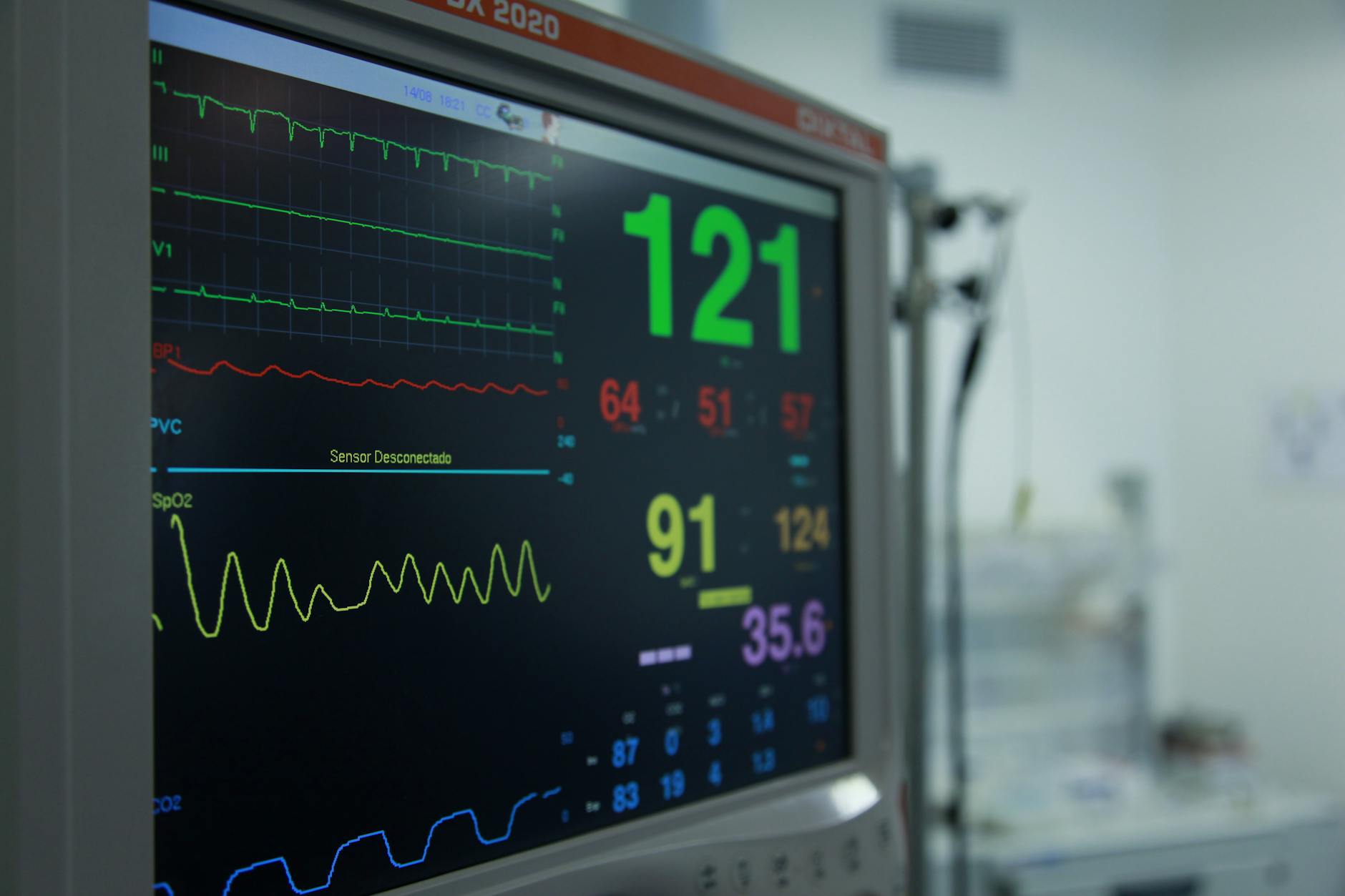
Emergency room doctors have tools like EKG machines and blood tests that can definitively determine what’s happening in minutes. Home treatment with aspirin delays these critical tests and could be dangerous. The medical community’s shift away from recommending self-administration of aspirin for chest pain reflects hard-learned lessons about the risks of misdiagnosis. Someone who thinks they’re having heartburn might actually be having a heart attack, or vice versa. Someone with sudden severe chest pain might have pneumonia with a secondary blood clot. These distinctions matter urgently, and they require professional assessment. As Harvard Health emphasizes, if you think you’re having a heart attack, get emergency help—don’t self-treat.
Aspirin Dosage and How to Use It Correctly in a Real Emergency
If emergency medical professionals determine you’re actually having a heart attack, the correct aspirin dosage is a full 325-milligram tablet that you should chew rather than swallow whole. Chewing allows faster absorption into your bloodstream—a critical advantage when minutes count. Don’t take a low-dose aspirin (like the 81-milligram tablets used for daily heart disease prevention) in an acute emergency situation. The high-dose, chewed format gets to work faster and delivers the dose most thoroughly studied in heart attack trials. For long-term aspirin use after a heart attack or for heart disease prevention in high-risk patients, doctors typically recommend 75-100 milligrams taken daily, as documented by MedlinePlus and other medical references.
This lower dose provides ongoing antiplatelet protection with less risk of bleeding complications than higher doses. However, this long-term preventive use is something only a cardiologist should recommend after evaluating your individual risk factors and medical history. Over-the-counter aspirin bottle instructions might suggest daily use for certain populations, but professional medical judgment should guide this decision, especially for older adults who may have higher bleeding risks. A practical real-world example: a 74-year-old man having a confirmed heart attack in an emergency room should receive a chewable 325-milligram aspirin immediately as part of his treatment protocol. If he had access to this aspirin before reaching the hospital—say, a spouse recognized his symptoms and had him chew an aspirin while calling 911—that could provide additional benefit. But this scenario only applies when there’s genuine acute cardiac distress, not when someone has a cold that feels congested.
Understanding Your Risk and When to Discuss Aspirin with Your Doctor
As people age, their heart attack risk increases, and some older adults benefit from daily low-dose aspirin as prevention. However, this decision isn’t universal—it depends on individual factors like blood pressure, cholesterol levels, family history, and previous cardiac events. For someone with dementia, the decision becomes more complex because consistent medication adherence may be challenging, and the person might not recognize symptoms of aspirin-related bleeding or new cardiac symptoms. These conversations are important ones to have with a primary care doctor or cardiologist before a crisis occurs.
If you’re a caregiver for someone with cognitive decline, knowing their cardiac risk profile and discussing a heart attack action plan is valuable. Should aspirin be on hand at home? Should there be written instructions posted? Who will recognize symptoms and call 911? Some families benefit from having emergency contact information readily available and making sure the person with dementia (if capable) and their caregivers all know to call 911 rather than self-treat. This kind of planning means that if a real cardiac event occurs, the response is immediate and appropriate rather than delayed by uncertainty. Looking forward, research continues on ways to improve heart attack outcomes beyond aspirin—newer antiplatelet drugs, better ways to deliver clot-busting medications, and improved public awareness of symptoms. For now, aspirin remains a crucial component of emergency heart attack treatment, and understanding its proper role could genuinely save lives.
Conclusion
Aspirin doesn’t help with chest congestion from colds, flu, or other respiratory conditions because congestion is an airway problem, not a blood-clotting problem. What helps with respiratory congestion is rest, fluids, and over-the-counter treatments specifically designed for congestion and cough. However, if you suspect you’re having a heart attack—crushing chest pressure, shortness of breath, pain radiating to your arm or jaw, cold sweats—aspirin becomes a genuinely life-saving intervention. Research proves that taking a full-dose aspirin in this scenario reduces heart attack mortality by 23 percent, potentially saving over 13,000 lives annually in the U.S.
alone. If you experience chest symptoms you’re unsure about, call 911 and let emergency professionals evaluate you—don’t self-diagnose and self-treat at home. For older adults and those with dementia, caregivers should discuss cardiac risk with a doctor ahead of time and have a clear action plan. Whether aspirin use makes sense for long-term prevention is something to discuss with a healthcare provider based on individual risk factors. The bottom line: aspirin is an essential emergency intervention for actual heart attacks, but it’s not a treatment for respiratory congestion, and professional medical evaluation should always come first.
You Might Also Like
- Tylenol Cold + Flu and Wildfire-Smoke Symptoms: A Plain-English Guide
- Advil Cold & Sinus and Pet Allergies: A Plain-English Guide
- Claritin for Outdoor Workers: A Practical Guide
For more, see Alzheimer’s Association — medical tests.