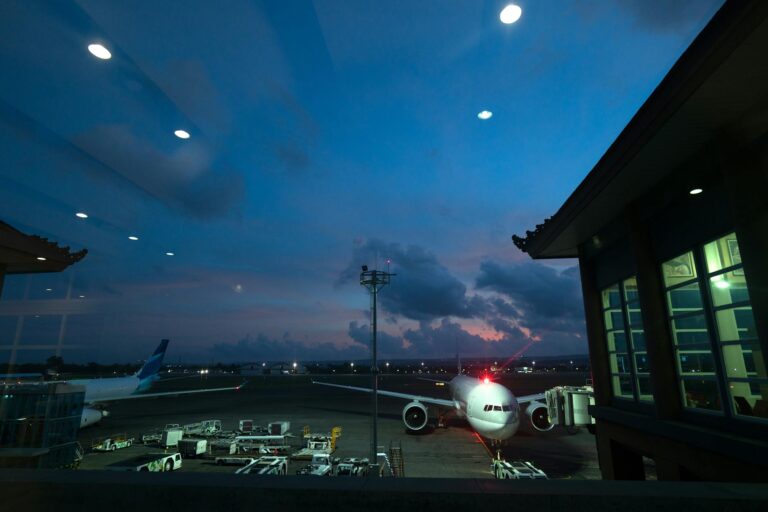
In March 2026, millions of travelers experienced sudden flight cancellations and multi-hour security delays with virtually no warning. On March 19 alone, four major international carriers—Emirates, Turkish Airlines, Qatar Airways, and Lufthansa—simultaneously announced mass cancellations affecting over 2,000 scheduled flights. These disruptions stemmed from a perfect storm of factors: a federal government shutdown that crippled TSA staffing, unprecedented call-out rates at security checkpoints reaching 39% in some cities, and system-wide operational failures across the aviation industry. For elderly travelers and those managing dementia care, these sudden disruptions proved especially harrowing—sudden changes to travel plans can trigger anxiety, confusion, and medical complications that ripple far beyond the airport terminal. This article examines what went wrong, how widespread the disruptions became, and critical strategies for protecting vulnerable passengers if you’re planning air travel with aging parents or family members living with cognitive decline.
The core problem was straightforward but devastating: TSA staffing collapsed. More than 300 TSA officers quit since the Department of Homeland Security shutdown began in February 2026, and those remaining faced astronomical call-out rates. In Houston, 35% of TSA staff were absent on peak travel days. Atlanta hit 37%, and New Orleans reached 39%. These weren’t random absences—officers facing wage freezes and uncertainty simply stopped showing up, creating security checkpoint bottlenecks that transformed a 30-minute process into a 2-4 hour ordeal at major hubs including Houston, Atlanta, New Orleans, and Charlotte. For someone with dementia traveling with a caregiver, four hours standing in a security line can precipitate behavioral crises, medical events, or complete travel cancellation.
Table of Contents
- Why Did TSA PreCheck Suspension and Flight Halts Catch Travelers Completely Off Guard?
- The Scope of Disruptions Reveals How Unprepared the System Actually Was
- How Dementia Patients and Elderly Caregivers Were Disproportionately Affected
- How to Protect Elderly and Cognitively Vulnerable Passengers During Travel Disruptions
- Warning Signs That a Vulnerable Passenger Should Not Fly, and Common Mistakes to Avoid
- Resources and Accommodations Available to Elderly and Disabled Passengers
- Looking Forward—What Travelers Should Expect and How to Plan Ahead
- Conclusion
Why Did TSA PreCheck Suspension and Flight Halts Catch Travelers Completely Off Guard?
The disruptions blindsided travelers because airlines and government agencies provided almost no advance notice or public coordination. Just before the crisis hit, the Department of Homeland Security suddenly suspended the TSA PreCheck program that had been serving 20 million pre-screened travelers—then reversed the decision within hours with minimal explanation. This whiplash signaled chaos at the agency level, but most travelers never received alerts about the reversal. Meanwhile, on March 10, JetBlue grounded its entire domestic fleet nationwide without clear public communication about when flights would resume. The combination of uncertainty, conflicting information, and silent reversals created an information vacuum that left passengers stranded at airports with no sense of when they might depart.
For passengers over 75 or those traveling with dementia, this lack of clarity proved particularly dangerous. Elderly travelers depend on predictable information to manage medications, bathroom needs, and cognitive stability during travel. When the TSA PreCheck suspension happened and then reversed without notification, many seniors had already modified their travel plans or abandoned trips entirely. Others showed up at airports expecting expedited security only to find they’d been downgraded to standard screening, creating last-minute scrambles and missed connections. The lesson: airlines and TSA learned that transparency is not their default during crises, leaving vulnerable passengers to absorb the consequences.

The Scope of Disruptions Reveals How Unprepared the System Actually Was
The scale of failures was staggering. On a single day in March, 188 flights were canceled outright at major U.S. hubs, with nearly 4,000 additional delays reported across JFK, LAX, Chicago O’Hare, and Atlanta Hartsfield-Jackson. At Tampa International airport alone, over 400 flights were delayed or canceled during the spring break travel period, stranding families trying to complete vacation plans. But the disruptions extended far beyond domestic travel. The Asia-Pacific region reported 774 cancellations and 2,146 delays on March 11 alone.
Global carriers couldn’t maintain operations, and KLM suspended all flights to and from Tel Aviv through April 11 due to Middle East tensions intersecting with the broader aviation chaos. The system had no backup plans and no redundancy. However, if your elderly family member was flying on a smaller regional airline or through a less busy airport, the impact was less severe than at major hubs. This is an important distinction: travelers from smaller cities who flew less frequently often experienced only minor delays, while those routing through Atlanta or Houston faced potential 12-hour+ disruptions. This unequal impact created a secondary problem—relatives on opposite coasts couldn’t coordinate care logistics because the severity varied so dramatically by airport and carrier. One family member might land on time while another was stranded indefinitely, complicating plans to have caregivers meet arriving passengers.
How Dementia Patients and Elderly Caregivers Were Disproportionately Affected
Travel disruptions that would frustrate any adult can trigger behavioral crises in people living with dementia. Extended delays in crowded, unfamiliar airport terminals—with fluorescent lighting, loud announcements, and constant movement—create sensory overload that often precedes confusion, anxiety, or aggressive behavior. When flights are suddenly canceled, the change in routine itself can be destabilizing. A dementia patient expecting to arrive at their destination at 3 PM faces cognitive distress when told they won’t land until 8 PM, or that their flight is canceled entirely. The caregiver must manage not only logistical rebooking but also emotional regulation for someone whose ability to adapt to sudden changes has been compromised by cognitive decline.
Real-world impact: A 79-year-old woman with moderate dementia was scheduled to fly from Atlanta to visit her daughter on March 19—the exact day of the global carrier collapse. Her caregiver discovered the cancellation only when arriving at the airport; no advance notice had been sent by the airline. The patient became agitated and confused, unable to understand why her travel plans had changed. Without flexibility, the situation deteriorated into a behavioral episode requiring intervention. The caregiver then spent 6 hours on hold trying to rebook a flight for days later, during which the patient’s anxiety escalated further due to uncertainty about whether the trip would happen. This scenario repeated countless times across the country on March 19 and surrounding dates.

How to Protect Elderly and Cognitively Vulnerable Passengers During Travel Disruptions
If you’re planning air travel with an elderly parent or family member living with dementia, start with a frank assessment: is this trip necessary, and is this the right time? During March 2026, the honest answer for most vulnerable passengers was “no.” Many of the disrupted flights were discretionary travel—family visits, vacations, spring break trips. Postponing non-essential travel until after the aviation system stabilizes reduces exposure to the unpredictability that triggered so many crises. However, if the trip is necessary (medical appointment, terminal illness visit, relocation), take these protective steps. First, book with airlines that historically maintain better staffing and have direct flight options when possible, because connections multiply the risk of cascading disruptions. Call the airline directly at least 48 hours before departure—not just to confirm, but to verify their current operational status and whether staffing is adequate.
Ask explicitly: “What is your cancellation rate today? Are flights running on schedule?” Second, arrive 4-5 hours early for flights with elderly or dementia passengers, because you’ll likely encounter longer TSA lines than posted. This extra time provides a buffer if security backup occurs, and it reduces the rushed stress that exacerbates cognitive symptoms. Third, pack medications, comfort items, and a written summary of the passenger’s dementia status and medical needs in your carry-on bag. If the flight is canceled and you’re stranded overnight or rebooked on a different flight, you won’t be separated from these essentials. The tradeoff is that arriving very early means more airport time for someone with dementia to manage, but the predictability and reduced rush makes this a worthwhile exchange.
Warning Signs That a Vulnerable Passenger Should Not Fly, and Common Mistakes to Avoid
Certain factors should trigger a hard stop on air travel with dementia patients. If the person experiences severe sundowning (increased confusion and agitation in evening hours), avoid evening flights, connections, or delays that would extend travel into late afternoon or night. If they have mobility limitations that require assistance, confirm directly with the airline that assistance will be available—don’t assume. During March 2026, airports were so short-staffed that even basic services like wheelchair assistance were delayed, leaving some elderly passengers waiting 90+ minutes. Similarly, if your family member requires frequent bathroom access due to incontinence or medication side effects, an unexpected 4-hour tarmac delay becomes a medical emergency. Be realistic: long flights with uncertain timing are not suitable for everyone, regardless of their health status. The most common mistake caregivers make is assuming the airline or TSA will communicate proactively about changes. They won’t.
You must be the information gatherer. Check your email and phone obsessively in the 24-48 hours before departure. Have backup plans for transportation to your final destination; don’t rely on the scheduled arrival time to coordinate a ride. If you’re using rideshare services like Uber or Lyft to pick up at your destination airport, monitor the flight status and adjust your pickup request accordingly—don’t request the car and assume the flight will land on time. Another critical error: not preparing the dementia patient for travel delays. If you suspect delays might occur, start preparing them days in advance: “Grandma, we might have to wait at the airport. That’s normal. We’ll wait together.” Unexpected delays hit harder for someone with dementia than for most adults because their ability to interpret and adapt to new information is compromised. Advance mental preparation softens the blow.

Resources and Accommodations Available to Elderly and Disabled Passengers
The TSA offers a program specifically for passengers with cognitive or medical issues: the TSA Cares program. You can call ahead (855-787-2227) to request assistance navigating security screening with detailed information about your family member’s needs. During the March 2026 chaos, this program was underutilized because most people didn’t know it existed. Airlines are required by law to provide specific accommodations for elderly and disabled passengers—including wheelchair assistance, advance boarding, and seat assignments near bathrooms. Request these accommodations explicitly when booking, not at the airport.
If your family member has dementia, consider requesting an aisle seat so that bathroom trips don’t require climbing over other passengers, reducing stress for everyone involved. Some airlines have Designated Companion Programs where a caregiver can sit directly next to the passenger without paying extra. This is invaluable for dementia patients because a continuous caregiver presence reduces anxiety and prevents the disorientation that occurs when the patient wakes from a nap to find themselves in an unfamiliar seat among strangers. Document your request in writing (email) so you have a record. During the March 2026 disruptions, passengers who had made documented requests in advance were prioritized for rebooking and accommodations, while those who relied on verbal assurances were often forgotten when systems became overwhelmed.
Looking Forward—What Travelers Should Expect and How to Plan Ahead
The March 2026 aviation crisis exposed systemic vulnerabilities that won’t be solved quickly. TSA staffing remains below pre-shutdown levels, and officers are still quitting faster than the agency can train replacements. The federal government has not committed to the budget levels that would prevent future staff collapses. This means elevated risk of similar disruptions in the coming months. Airlines, learning from March’s chaos, are now publishing staffing metrics and cancellation rates more transparently—pay attention to these statistics when booking.
Some carriers have also begun offering more generous rebooking policies to vulnerable passengers, an indirect acknowledgment that the system is fragile. For families with elderly members or dementia patients, the takeaway is to assume air travel will be less reliable going forward, not more. Build longer layovers into connections, purchase travel insurance, and genuinely reconsider whether driving or telehealth appointments might substitute for in-person travel. The convenience of flying has always come with hidden stress; post-March 2026, that stress is significantly elevated. Those who can shift to less time-sensitive travel methods should do so, especially when transporting someone whose cognitive health depends on stability and predictability.
Conclusion
The March 2026 flight disruptions were not a one-time event caused by a single system failure. They resulted from TSA staffing collapse, poor public communication, and a system with no redundancy or backup capacity. For elderly travelers and those living with dementia, these disruptions were particularly harmful because sudden changes and extended uncertainty trigger behavioral and medical crises that younger, cognitively intact passengers can weather more easily.
The lesson for families is not to fly until the system stabilizes—or if flying is necessary, to plan with extraordinary conservatism: arrive early, bring all necessary medications and supplies, communicate clearly with airlines about accommodation needs, and accept that delays are likely. If you’re caring for an elderly family member or someone with dementia and considering air travel, start by asking whether the trip is truly essential. If it is, contact TSA Cares in advance, book with the most reliable carrier available, and mentally prepare your family member for the possibility of delays and cancellations. The aviation system will improve, but it won’t improve immediately, and vulnerable passengers should not bear the burden of its failures.