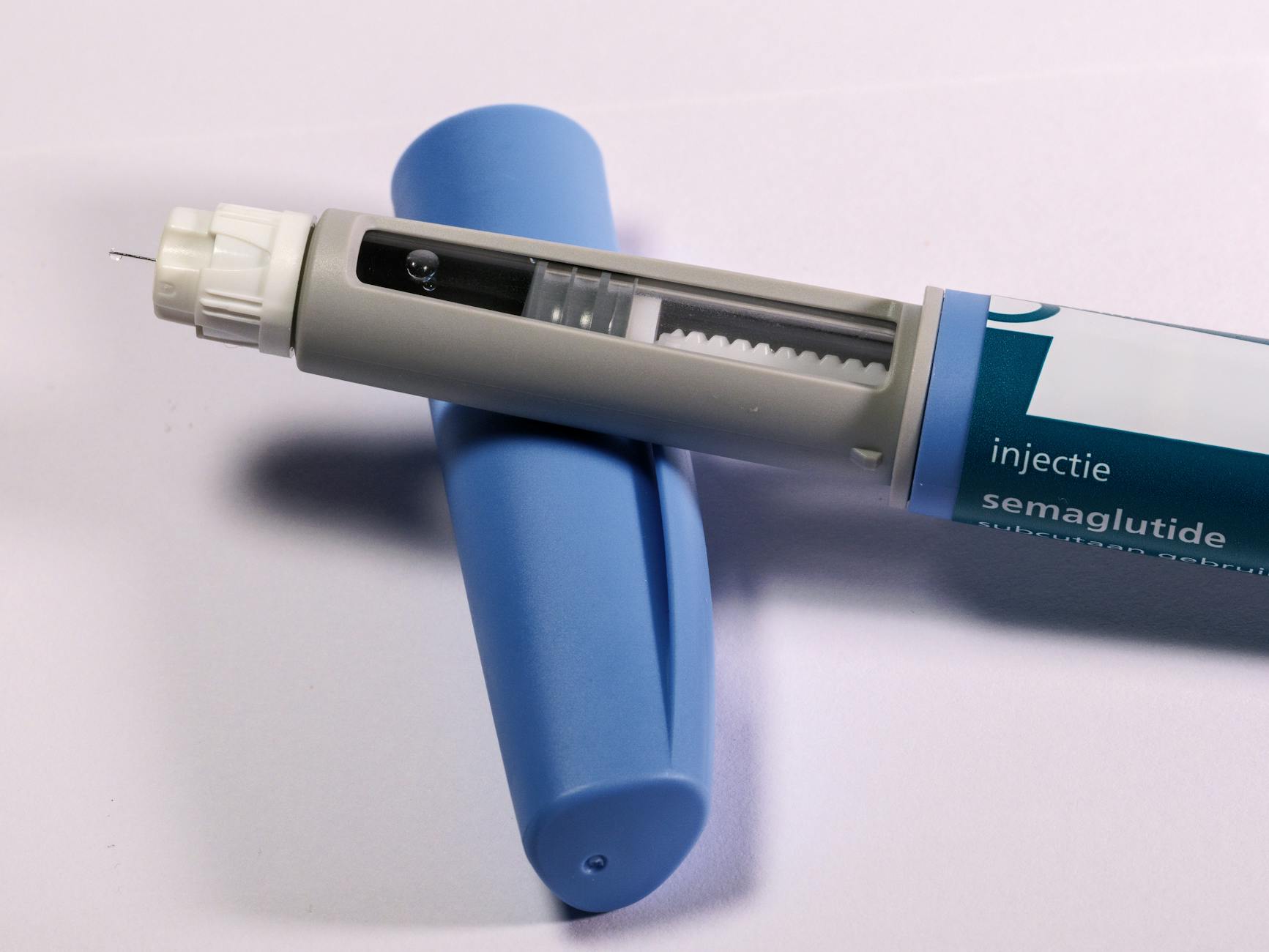
A class of drugs originally developed to manage blood sugar in Type 2 diabetes is now showing remarkable ability to reverse heart failure — a discovery with profound implications for the millions of older adults living with both conditions, including those navigating dementia and cognitive decline. The most striking recent evidence comes from the SOUL trial, a massive international study of over 9,650 participants published in JAMA Internal Medicine in February 2026, which found that oral semaglutide reduced the risk of heart failure hospitalization, urgent heart failure visits, or cardiovascular death by 22 percent compared to placebo. For patients with a specific and notoriously stubborn form of heart failure called HFpEF — heart failure with preserved ejection fraction — the benefit was even more dramatic: a 41 percent reduction in risk. This matters deeply for anyone concerned about brain health. Heart failure starves the brain of adequate blood flow, accelerating cognitive decline and worsening dementia symptoms.
When the heart cannot pump efficiently, every organ suffers, but the brain — which consumes roughly 20 percent of the body’s oxygen — is especially vulnerable. A drug that can meaningfully reverse heart failure is not just a cardiac therapy; it is potentially a neuroprotective one. For caregivers and families managing dementia alongside cardiovascular disease, these findings represent a shift in what is medically possible. Beyond semaglutide, this article covers a second diabetes drug — AZD1656 — that reverses heart damage through an entirely different and unexpected mechanism: retraining the immune system. We will also examine the now-established role of SGLT2 inhibitors like empagliflozin and dapagliflozin, which have already become foundational heart failure therapies. Together, these three drug classes are rewriting the relationship between diabetes treatment and cardiac recovery, with direct relevance to brain health and dementia care.
Table of Contents
- How Does a Type 2 Diabetes Drug Reverse Heart Failure?
- The SOUL Trial — What the Largest Oral Semaglutide Heart Failure Study Actually Found
- AZD1656 — The Diabetes Drug That Retrains the Immune System to Heal the Heart
- SGLT2 Inhibitors — The Diabetes Drugs Already Proven to Treat Heart Failure
- Why Heart Failure Treatment Matters for Dementia and Brain Health
- Safety Considerations for Older Adults on Multiple Medications
- Where This Research Is Heading
- Conclusion
- Frequently Asked Questions
How Does a Type 2 Diabetes Drug Reverse Heart Failure?
The answer lies in biology that researchers did not fully appreciate until recently. GLP-1 receptor agonists like semaglutide were designed to mimic a gut hormone called glucagon-like peptide-1, which stimulates insulin release after eating and suppresses appetite. But these drugs turn out to do far more than regulate blood sugar. They reduce systemic inflammation, improve blood vessel function, lower blood pressure, and promote weight loss — all of which directly benefit a failing heart. The SOUL trial, conducted across 444 centers in 33 countries with a mean follow-up of nearly four years, provided the clearest evidence yet that these effects translate into hard clinical outcomes. Among participants with a history of heart failure, oral semaglutide produced a hazard ratio of 0.78 for the composite endpoint of heart failure hospitalization, urgent heart failure visits, or cardiovascular death. In practical terms, for every 100 heart failure events expected in the placebo group, only about 78 occurred in the semaglutide group.
What makes this finding particularly significant is the benefit seen in HFpEF, a condition where the heart muscle stiffens and cannot relax properly to fill with blood, even though it still contracts with normal force. HFpEF accounts for roughly half of all heart failure cases and has long been considered medicine’s most frustrating cardiac diagnosis because almost nothing has worked against it. The SOUL trial’s secondary analysis showed a 41 percent risk reduction in this group, with a hazard ratio of 0.59. Contrast this with the result in patients with reduced ejection fraction (HFrEF), where semaglutide showed no significant benefit (HR 0.98). This distinction matters enormously for treatment decisions: semaglutide appears to be a game-changer for one type of heart failure but not the other. For the dementia care community, HFpEF is especially relevant. It is more common in older adults, more common in women, and frequently coexists with conditions like hypertension, obesity, and diabetes — the same cluster of risk factors that drives vascular dementia. A therapy that specifically targets HFpEF could help preserve the cardiac output that keeps aging brains supplied with oxygen and nutrients.
The SOUL Trial — What the Largest Oral Semaglutide Heart Failure Study Actually Found
The SOUL trial was not originally designed to study heart failure. It was a cardiovascular outcomes trial — the kind regulators require to prove a diabetes drug does not cause heart attacks or strokes. The heart failure findings emerged from a pre-specified secondary analysis, meaning researchers planned to look at heart failure outcomes from the start, even though it was not the trial’s primary question. This is an important distinction. While the results are robust and statistically significant, they carry slightly less weight than if heart failure had been the primary endpoint, because the trial was not powered specifically for that question. The study enrolled participants with a median age of 66 years, and 28.9 percent were female. Researchers at Oregon Health & Science University (OHSU) were among the lead centers.
Safety data was reassuring: serious adverse events occurred in 53.8 percent of semaglutide patients compared to 57.1 on placebo among those with heart failure — meaning the drug did not introduce additional safety concerns. Oral semaglutide also reduced major adverse cardiovascular events (MACE) regardless of whether patients had a history of heart failure, with hazard ratios of 0.83 in those with heart failure and 0.86 in those without. However, there are limitations that caregivers and patients should understand. The study population was predominantly male and had established cardiovascular disease, so the results may not generalize perfectly to all older adults with heart failure. The oral form of semaglutide used in this trial is also not the same as the injectable version most people associate with the brand name. Dosing, absorption, and cost differ between the two formulations. And critically, the lack of benefit in HFrEF means this is not a universal heart failure remedy. Anyone whose loved one has heart failure should know which type they have before drawing conclusions from this research.
AZD1656 — The Diabetes Drug That Retrains the Immune System to Heal the Heart
While semaglutide works through metabolic and vascular pathways, a completely different diabetes drug called AZD1656 has been shown to reverse heart damage through an immunological mechanism that no one predicted. Published in Nature Cardiovascular Research in February 2026, research led by Professor Dunja Aksentijevic at the William Harvey Research Institute at Queen Mary University of London revealed that AZD1656 — originally developed as a blood sugar–lowering agent — actually retrains the immune system. Specifically, it boosts a population of immune cells called regulatory T cells, or Tregs, which then travel into damaged heart tissue, calm inflammation, and reduce scarring. The results were striking. Treatment with AZD1656 dramatically improved heart function, cut heart attack damage, and restored the heart’s metabolic profile to near-healthy levels. Perhaps most remarkably, none of these cardiac benefits were explained by changes in blood sugar, body weight, liver function, fat metabolism, or muscle metabolism. The mechanism is entirely immunological.
This is a fundamentally different approach from anything currently available for heart failure, and it suggests that some of the damage we have long considered permanent — scar tissue in the heart muscle — may be at least partially reversible. For those following dementia research, the immune retraining angle is especially intriguing. Neuroinflammation is now recognized as a central driver of Alzheimer’s disease and other dementias. If a drug can redirect immune cells to reduce inflammation in one organ, the question naturally arises whether similar approaches could work in the brain. That research has not been done yet, and it would be premature to call AZD1656 a dementia therapy. But the underlying principle — that immune modulation can reverse organ damage previously thought to be irreversible — challenges assumptions across multiple fields. Queen Mary University has licensed an exclusive patent to a company called Salt Hill to advance this Treg activation technology commercially, signaling serious investment in the approach.

SGLT2 Inhibitors — The Diabetes Drugs Already Proven to Treat Heart Failure
While semaglutide and AZD1656 represent newer findings, another class of diabetes drugs — SGLT2 inhibitors including empagliflozin (Jardiance) and dapagliflozin (Farxiga) — has already crossed the threshold from research curiosity to standard-of-care therapy for heart failure. These drugs work by blocking a protein in the kidneys that reabsorbs glucose, causing excess sugar to be excreted in urine. But like GLP-1 drugs, their cardiac benefits extend well beyond blood sugar control. They reduce fluid overload, lower blood pressure, decrease cardiac workload, and appear to have direct protective effects on heart muscle cells. The EMPACT-MI trial, led by Dr. Deepak L.
Bhatt, Director of the Mount Sinai Fuster Heart Hospital, studied more than 6,500 adults across 22 countries who had recently suffered heart attacks. Empagliflozin consistently reduced heart failure events in these patients regardless of their baseline kidney function — an important finding because kidney disease frequently accompanies both heart failure and diabetes in older adults. The trial also demonstrated kidney-protective effects, with empagliflozin stabilizing the decline in estimated glomerular filtration rate (eGFR) compared to placebo over two years. The practical tradeoff for patients and caregivers is this: SGLT2 inhibitors are already approved, widely available, and covered by most insurance plans for heart failure regardless of diabetes status. Oral semaglutide’s heart failure benefits, while compelling, have not yet led to a specific heart failure indication from regulators. AZD1656 remains in earlier-stage development. So for someone whose parent or spouse has heart failure today, SGLT2 inhibitors represent the most accessible option among diabetes-origin drugs, while semaglutide may be worth discussing with a cardiologist, particularly if HFpEF is the diagnosis.
Why Heart Failure Treatment Matters for Dementia and Brain Health
Heart failure is not just a cardiac diagnosis — it is a brain diagnosis. When the heart cannot pump blood effectively, cerebral perfusion drops. Over months and years, this chronic underperfusion damages small blood vessels in the brain, contributes to white matter disease, and accelerates the accumulation of amyloid plaques associated with Alzheimer’s disease. Studies have consistently shown that people with heart failure have roughly double the risk of developing dementia compared to age-matched controls without heart failure. The relationship is bidirectional: dementia makes it harder for patients to manage complex medication regimens, monitor symptoms, and seek timely care, creating a vicious cycle of worsening cardiac and cognitive function. This is why the emergence of effective heart failure treatments from the diabetes drug pipeline matters so much for the dementia care community.
If oral semaglutide can reduce heart failure hospitalizations by 22 percent — and by 41 percent in HFpEF specifically — it may also be slowing the cerebrovascular damage that drives vascular dementia and mixed dementia. No trial has yet tested this hypothesis directly, and it would be irresponsible to promise cognitive benefits based on cardiac data alone. But the physiological logic is sound, and several research groups are now exploring whether GLP-1 receptor agonists have direct neuroprotective effects independent of their cardiovascular benefits. A critical warning: these drugs are not a substitute for comprehensive dementia care. Heart failure treatment can potentially slow one contributor to cognitive decline, but dementia is multifactorial. Families should not expect a diabetes drug to reverse memory loss. What they can reasonably hope for is that better heart failure management — through any of these drug classes — may preserve the cardiovascular foundation that the brain depends on, potentially buying time and preserving quality of life.

Safety Considerations for Older Adults on Multiple Medications
For the typical older adult managing diabetes, heart failure, and cognitive decline simultaneously, medication burden is already enormous. Adding a GLP-1 receptor agonist or adjusting an SGLT2 inhibitor requires careful coordination. The SOUL trial’s safety data is encouraging — serious adverse events were actually slightly lower in the semaglutide group (53.8 percent) than in the placebo group (57.1 percent) among heart failure patients — but real-world use involves complexities that clinical trials cannot fully capture. Oral semaglutide must be taken on an empty stomach with minimal water, then the patient must wait at least 30 minutes before eating or taking other medications.
For someone with dementia, this kind of precise timing may be difficult without caregiver support. SGLT2 inhibitors carry their own considerations, including increased risk of urinary tract infections and, rarely, a serious condition called diabetic ketoacidosis. In frail older adults with reduced oral intake, dehydration risk is real. Any decision to start these medications in a person with coexisting dementia should involve a geriatrician or a cardiologist experienced with older patients, not just an endocrinologist focused on blood sugar targets.
Where This Research Is Heading
The convergence of diabetes pharmacology and cardiovascular medicine is accelerating. Dedicated heart failure trials of oral semaglutide are now being planned, which would provide the definitive evidence needed for regulatory approval of a heart failure indication. AZD1656’s immune-retraining mechanism, if it holds up in larger human trials, could open an entirely new treatment paradigm — not just for heart failure, but potentially for any organ where chronic inflammation drives progressive damage, including the brain. The fact that Queen Mary University has already moved to patent and license this technology suggests confidence in its clinical potential.
For families navigating dementia care today, the practical takeaway is to keep heart health on the agenda. Talk to your loved one’s medical team about whether SGLT2 inhibitors or GLP-1 receptor agonists might be appropriate, especially if Type 2 diabetes and heart failure are both in the picture. The days when these were considered “just diabetes drugs” are over. They are becoming some of the most important cardiac therapies available, and their potential to protect the brain may turn out to be equally significant.
Conclusion
Three classes of drugs developed for Type 2 diabetes — GLP-1 receptor agonists like semaglutide, the immune-modulating AZD1656, and SGLT2 inhibitors like empagliflozin — are reshaping heart failure treatment in ways that matter profoundly for brain health and dementia care. The SOUL trial’s finding of a 22 percent overall reduction and 41 percent reduction in HFpEF events with oral semaglutide, combined with AZD1656’s ability to reverse heart damage through immune retraining and SGLT2 inhibitors’ established role as foundational heart failure therapy, represents a genuine shift in what is medically achievable. For caregivers and families managing a loved one with dementia, the connection between heart failure and cognitive decline makes these advances directly relevant.
Better cardiac output means better brain perfusion. These are not miracle cures and they do not replace comprehensive dementia care plans, but they add meaningful tools to the medical arsenal. The most important next step is a conversation with your loved one’s healthcare team about whether their current cardiac and metabolic medications reflect the latest evidence — because the drugs that lower blood sugar may now be the same ones keeping the brain alive.
Frequently Asked Questions
Can semaglutide reverse dementia or improve memory?
There is no direct clinical evidence that semaglutide reverses dementia or improves memory. Its demonstrated benefits are cardiovascular — reducing heart failure events and MACE. The theoretical link to brain health is through improved cardiac output and cerebral blood flow, but this has not been proven in dementia-specific trials. Research is ongoing.
Does oral semaglutide work for all types of heart failure?
No. The SOUL trial showed significant benefits for heart failure with preserved ejection fraction (HFpEF), with a 41 percent risk reduction, but no significant benefit for heart failure with reduced ejection fraction (HFrEF), where the hazard ratio was 0.98. Knowing which type of heart failure is present is essential before considering this therapy.
Is AZD1656 available as a treatment now?
No. AZD1656 has shown dramatic results in preclinical and early research published in Nature Cardiovascular Research in February 2026, but it has not yet completed the large-scale human clinical trials needed for regulatory approval. Queen Mary University of London has licensed the technology to Salt Hill for further commercial development.
Are SGLT2 inhibitors only for people with diabetes?
No. While SGLT2 inhibitors like empagliflozin and dapagliflozin were originally developed for Type 2 diabetes, they are now approved and recommended as treatments for heart failure in patients both with and without diabetes. They have become a foundational therapy for heart failure based on multiple large-scale trials including EMPACT-MI.
Should my parent with dementia and heart failure be on one of these drugs?
This is a conversation to have with their medical team — ideally a cardiologist and geriatrician together. SGLT2 inhibitors are the most established option for heart failure and are widely available. GLP-1 receptor agonists like semaglutide may be worth discussing, especially for HFpEF. Medication management in dementia patients requires caregiver support due to dosing complexity.
What were the main side effects seen in the SOUL trial?
The SOUL trial found that serious adverse events were similar between groups — 53.8 percent with semaglutide versus 57.1 percent with placebo among heart failure patients. Common side effects of GLP-1 receptor agonists generally include gastrointestinal symptoms like nausea, but the trial did not signal new or unexpected safety concerns.