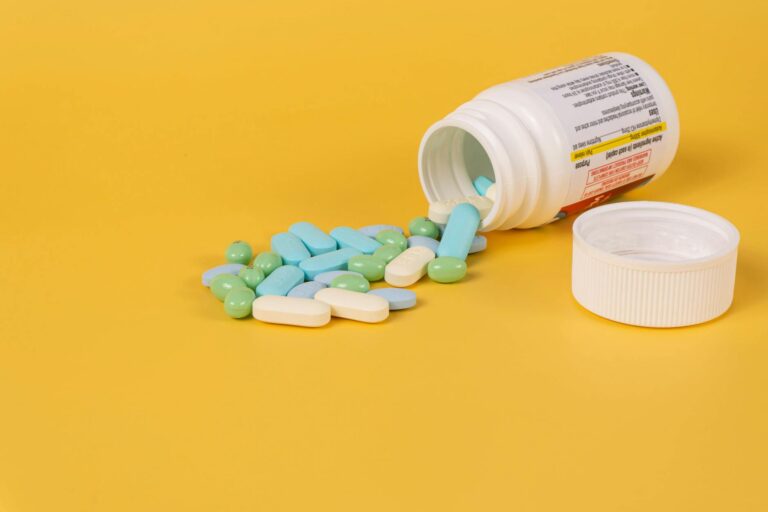
The drug in question is pilocarpine hydrochloride sold under the brand name Salagen, and for years it has been one of the few FDA-approved oral medications specifically indicated for dry mouth caused by radiation therapy or Sjögren’s syndrome. However, calling it a drug with “no generic” requires some nuance. While generic pilocarpine tablets have technically existed, availability has been inconsistent, and many patients — particularly older adults managing dementia-related medication side effects — have found themselves stuck paying brand-name prices that can run into hundreds of dollars per month. For a caregiver whose loved one already takes multiple medications for cognitive decline, adding a costly dry mouth prescription to the mix can feel like an impossible burden.
Dry mouth, clinically known as xerostomia, is far more than a minor annoyance. It increases the risk of tooth decay, oral infections, difficulty swallowing, and malnutrition — all of which are already elevated concerns for people living with dementia. Many common dementia medications, including cholinesterase inhibitors and antipsychotics used for behavioral symptoms, list dry mouth as a side effect. When a physician prescribes pilocarpine to address this, patients and caregivers can be blindsided by the cost. This article covers why this particular drug carries such a high price tag, what the generic availability situation actually looks like, and — most importantly — what alternatives exist for families who cannot afford it.
Table of Contents
- Why Does a Dry Mouth Drug Like Pilocarpine Cost So Much Without a Reliable Generic?
- What Is Dry Mouth, and Why Is It Particularly Dangerous for People With Dementia?
- The Generic Availability Problem — What Patients and Caregivers Actually Face at the Pharmacy
- What Are the Alternatives to Pilocarpine for Managing Dry Mouth?
- Side Effects and Risks of Pilocarpine in Older Adults With Cognitive Decline
- How to Advocate for Affordable Dry Mouth Treatment
- Will Better Options for Dry Mouth Treatment Become Available?
- Conclusion
- Frequently Asked Questions
Why Does a Dry Mouth Drug Like Pilocarpine Cost So Much Without a Reliable Generic?
Pilocarpine has been around for decades. It was originally derived from the jaborandi plant and has long been used in ophthalmology as eye drops to treat glaucoma. The oral tablet form, branded as Salagen, was approved by the FDA in the 1990s for treating dry mouth in specific conditions. In theory, a drug this old should be cheap. The active ingredient is not novel, the manufacturing process is not complex, and the patent protections expired long ago. Yet the pharmaceutical market does not always follow logical pricing rules. The core issue is that the market for oral pilocarpine tablets is relatively small.
Dry mouth severe enough to warrant a prescription affects a limited patient population, which means fewer manufacturers see a profitable reason to produce a generic version. When only one or two companies produce a generic, supply disruptions can eliminate access overnight, effectively returning patients to brand-name pricing. This pattern — old drugs with small markets commanding high prices because no one bothers to compete — has played out repeatedly in the U.S. pharmaceutical landscape. It is the same dynamic that has driven up costs for drugs treating rare conditions, and it disproportionately affects older adults who are already on fixed incomes. To put this in practical terms, a caregiver filling a pilocarpine prescription without insurance coverage or without a generic option available at their local pharmacy has historically faced costs that can exceed several hundred dollars for a month’s supply. Even with insurance, copays can be significant if the drug falls into a higher formulary tier. For families already spending heavily on dementia care — which the Alzheimer’s Association has estimated at tens of thousands of dollars per year in out-of-pocket costs — this is not a trivial addition.

What Is Dry Mouth, and Why Is It Particularly Dangerous for People With Dementia?
Xerostomia occurs when the salivary glands do not produce enough saliva to keep the mouth moist. Saliva plays a critical role in oral health: it neutralizes acids, washes away food debris, and contains enzymes that begin the digestive process. Without adequate saliva, the mouth becomes a breeding ground for bacteria, leading to rapid tooth decay, gum disease, and fungal infections like oral thrush. For someone with dementia, these complications are especially concerning because the person may not be able to communicate discomfort, may resist dental care, and may already have difficulty eating. Many medications commonly prescribed to people with dementia contribute to dry mouth. Anticholinergic drugs — a broad category that includes certain antidepressants, antihistamines, bladder medications, and some antipsychotics — work by blocking acetylcholine, a neurotransmitter that also stimulates saliva production.
The irony is that cholinesterase inhibitors like donepezil, which are front-line dementia treatments, can also cause dry mouth in some patients despite working on the same neurotransmitter system. The result is that many dementia patients end up taking multiple medications that collectively dry out the mouth, and caregivers may not immediately connect the oral health decline to the drug regimen. However, it is important to recognize that not every case of dry mouth warrants a prescription medication. If the xerostomia is mild, non-pharmaceutical interventions — frequent sips of water, sugar-free lozenges, saliva substitutes available over the counter — may be sufficient. Pilocarpine and similar prescription drugs are typically reserved for moderate to severe cases where these measures have failed. A physician or dentist should evaluate the severity before jumping to a prescription that may create a financial strain, particularly when the patient is an older adult on a fixed income with a complicated medication list.
The Generic Availability Problem — What Patients and Caregivers Actually Face at the Pharmacy
The frustration with pilocarpine is not simply that no generic exists in a regulatory sense. Generic versions have been approved. The problem is that generic drug approval does not guarantee that the product will be consistently manufactured and stocked. Pharmaceutical companies can receive FDA approval for a generic, produce it for a time, and then discontinue production if it proves unprofitable. This leaves pharmacists scrambling for alternatives and patients facing unexpected cost spikes. As of recent reports, the availability of generic pilocarpine tablets has varied by region and by pharmacy.
Some large chain pharmacies may carry a generic version, while independent pharmacies in rural areas may not have access. Mail-order pharmacies and programs like Mark Cuban’s Cost Plus Drugs or Amazon Pharmacy have, in some cases, offered more competitive pricing on generics when they are available, though specific pricing can change frequently. Caregivers should be aware that calling multiple pharmacies to compare prices — or asking the prescribing physician to check availability before writing the prescription — can sometimes save significant money. One specific scenario that catches families off guard: a patient may be stable on generic pilocarpine for months, only to discover at a refill that the generic has become unavailable at their pharmacy. The pharmacist may offer to fill the brand-name version, but the price difference can be staggering. In these situations, the caregiver should contact the prescriber to discuss alternatives rather than simply absorbing the cost or skipping the medication entirely, as abruptly stopping pilocarpine can cause a return of severe dry mouth symptoms.

What Are the Alternatives to Pilocarpine for Managing Dry Mouth?
Cevimeline, sold under the brand name Evoxac, is the other FDA-approved prescription medication for dry mouth related to Sjögren’s syndrome. It works through a similar mechanism — stimulating muscarinic receptors to increase saliva production — but it is more selective for certain receptor subtypes, which can mean fewer side effects like excessive sweating for some patients. The tradeoff is that cevimeline also faces its own pricing challenges and may not be any cheaper than pilocarpine, depending on insurance coverage and generic availability. Comparing the two with a pharmacist or physician is worthwhile, as one may be covered more favorably on a given insurance plan’s formulary. Beyond prescription options, over-the-counter saliva substitutes and stimulants offer a more affordable first line of defense. Products like Biotene mouthwash, gel, and spray are widely available and do not require a prescription. Xylitol-containing lozenges and gums stimulate natural saliva production and have the added benefit of being antimicrobial, which helps protect teeth.
For a dementia patient who may have difficulty using mouthwash without swallowing it, a caregiver might opt for the gel or spray formulations instead. These products typically cost under twenty dollars per month, a fraction of prescription drug prices. There are also behavioral and environmental strategies that cost nothing. A cool-mist humidifier in the bedroom can reduce overnight mouth dryness. Avoiding caffeine, alcohol, and tobacco — all of which worsen dry mouth — is helpful when feasible. For dementia patients who may not independently manage these habits, caregivers can adjust the environment accordingly. None of these strategies fully replace what pilocarpine does for severe xerostomia, but in combination, they may reduce the severity enough to avoid or minimize the need for a costly prescription.
Side Effects and Risks of Pilocarpine in Older Adults With Cognitive Decline
Pilocarpine is not a benign drug, and its side effect profile deserves serious consideration in the dementia population. Because it stimulates the parasympathetic nervous system broadly, it can cause excessive sweating, increased urination, nausea, diarrhea, and visual disturbances. For an older adult who already faces fall risks, the sweating and potential dizziness are concerning. For someone with dementia who cannot reliably report symptoms, a caregiver may not realize the medication is causing problems until a fall or other adverse event occurs. There is also a pharmacological tension worth noting.
Many dementia patients take anticholinergic medications — the very drugs that cause dry mouth — alongside pilocarpine, which is a cholinergic agonist. These drugs work in opposition to each other. Prescribing pilocarpine to counteract the dry mouth caused by an anticholinergic medication is essentially using one drug to treat the side effect of another, a pattern sometimes called a “prescribing cascade.” A more rational approach, when possible, is to review the entire medication list with a geriatrician or pharmacist and ask whether the anticholinergic drug can be reduced, switched, or eliminated. This may resolve the dry mouth without adding another medication and its associated costs and risks. Caregivers should also be aware that pilocarpine is contraindicated in certain conditions common in older adults, including uncontrolled asthma, narrow-angle glaucoma, and certain cardiac conditions. A thorough medication review before starting pilocarpine is essential, and this is an area where a geriatric pharmacist — if one is available — can add significant value.
How to Advocate for Affordable Dry Mouth Treatment
Patient assistance programs offered by pharmaceutical manufacturers can sometimes help with the cost of brand-name drugs when generics are unavailable. For Salagen specifically, checking the manufacturer’s website or calling their patient assistance line is a reasonable first step, though the availability of such programs can change. NeedyMeds and RxAssist are independent databases that track assistance programs and may list current options.
Additionally, caregivers should not hesitate to have a direct conversation with the prescribing physician about cost. Doctors do not always know what a drug costs at the pharmacy, and they may readily suggest alternatives if they understand the financial burden. Requesting that the doctor send the prescription electronically to a pharmacy that offers price-matching or discount programs — such as GoodRx or the pharmacy’s own savings card — can sometimes cut the cost substantially, even for brand-name medications.
Will Better Options for Dry Mouth Treatment Become Available?
Research into dry mouth treatments has not been a high-profile area of pharmaceutical development, largely because it is not seen as a life-threatening condition. However, the growing recognition of xerostomia’s impact on quality of life — particularly in aging populations — has prompted some interest in novel approaches. Gene therapy targeting salivary gland function, bioengineered salivary gland tissue, and new drug formulations that target saliva production more precisely are all areas of active, if early-stage, research.
For dementia caregivers, the more immediate hope may lie in formulary reforms and drug pricing legislation. As policymakers continue to address the broader crisis of prescription drug affordability in the United States, drugs like pilocarpine — old, off-patent, yet inexplicably expensive — may receive attention. In the meantime, the most practical path forward is a combination of informed advocacy, medication review, and creative use of the alternatives that already exist.
Conclusion
Dry mouth is a common and underappreciated problem for people living with dementia, driven in large part by the very medications used to manage cognitive and behavioral symptoms. When it becomes severe enough to require prescription treatment, pilocarpine remains one of the few proven options — but its cost, inconsistent generic availability, and side effect profile make it a complicated choice for families already stretched thin by the demands of dementia care.
The most important steps caregivers can take are to request a comprehensive medication review to identify and potentially eliminate drugs causing dry mouth, explore over-the-counter alternatives before escalating to prescription treatment, compare prices across pharmacies when a prescription is necessary, and ask about patient assistance programs. No one should have to choose between managing a loved one’s oral health and paying for other essential care, and with persistence and the right information, there are usually paths to making treatment more affordable.
Frequently Asked Questions
What is the drug for dry mouth that has no generic and costs a fortune?
The drug most commonly referenced is pilocarpine, sold under the brand name Salagen. While generic versions have been approved, their availability has been inconsistent, leaving many patients to pay brand-name prices.
Why do so many dementia patients experience dry mouth?
Many medications used in dementia care — including certain antidepressants, antipsychotics, and even some cholinesterase inhibitors — have anticholinergic properties or other mechanisms that reduce saliva production. The more medications a person takes, the higher the risk.
Are there over-the-counter options that actually work for dry mouth?
Yes. Products like Biotene (mouthwash, gel, and spray) and xylitol-containing lozenges can provide meaningful relief for mild to moderate dry mouth. They are not as potent as prescription pilocarpine for severe cases, but they are far more affordable and carry minimal risks.
Can a doctor switch my loved one off the medication causing dry mouth?
In some cases, yes. A geriatrician or pharmacist can conduct a medication review and may identify alternative drugs that are less likely to cause dry mouth. This is often a better approach than adding a new medication to counteract the side effect.
Is cevimeline (Evoxac) cheaper than pilocarpine?
Not necessarily. Cevimeline faces similar market dynamics, and pricing depends heavily on insurance coverage and pharmacy. However, it may be on a more favorable formulary tier for some insurance plans, so it is worth comparing.
Does Medicare cover pilocarpine for dry mouth?
Medicare Part D may cover pilocarpine, but coverage varies by plan, and the drug may be placed on a tier with higher copays. Patients enrolled in Medicare should check their specific plan’s formulary or contact their Part D insurer directly.