Copd drug sits at the center of this dementia and brain health question.
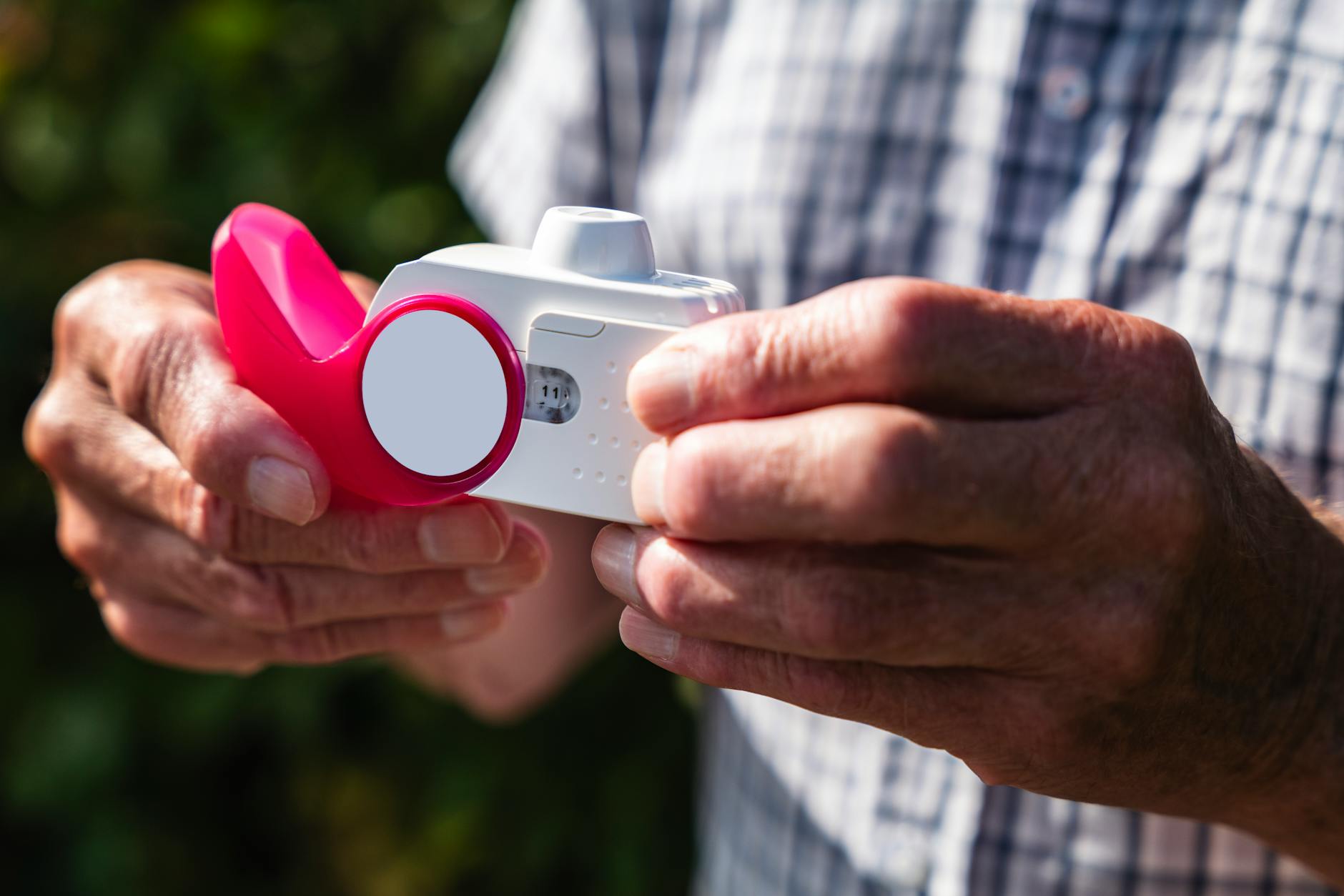
A combination of three inhaled medications delivered through a single device has been shown to reduce moderate and severe COPD exacerbations by 35 percent compared to standard dual therapy, according to the FULFIL trial published in the American Journal of Respiratory and Critical Care Medicine. The triple therapy — fluticasone furoate, umeclidinium, and vilanterol, marketed as Trelegy Ellipta — achieved an annualized exacerbation rate of 0.22 versus 0.34 for the dual inhaler comparator, a difference that reached statistical significance with a P value of 0.002. For the millions of people managing both COPD and cognitive decline, fewer exacerbations can mean fewer hospitalizations, less oxygen deprivation to the brain, and a better chance of preserving mental function over time. That 35 percent figure has surfaced again in a different context as well.
In May 2025, the FDA approved mepolizumab — brand name Nucala, manufactured by GSK — as the first once-monthly biologic for adults with inadequately controlled COPD and an eosinophilic phenotype. In clinical trials, mepolizumab achieved a 35 percent reduction in exacerbations requiring hospitalization or emergency department visits. This approval opens a new treatment pathway for a subset of COPD patients who continue to flare despite being on triple inhaler therapy. This article examines both of these advances in detail, explains why COPD exacerbations pose a particular threat to brain health, and explores how caregivers and patients can work with pulmonologists to determine which treatment approach fits their situation. We will also look at the emerging research connecting repeated COPD flare-ups to accelerated cognitive decline and dementia risk.
Table of Contents
- Which COPD Drug Combination Reduces Exacerbations by 35 Percent, and How Does It Work?
- Mepolizumab and the Eosinophilic COPD Breakthrough
- Why COPD Exacerbations Are a Direct Threat to Brain Health
- Choosing Between Triple Therapy and Biologic Add-On Treatment
- Limitations and Risks That Patients Should Understand
- The Role of Eosinophil Testing in Treatment Decisions
- What These Advances Mean for Dementia Caregivers Going Forward
- Conclusion
- Frequently Asked Questions
Which COPD Drug Combination Reduces Exacerbations by 35 Percent, and How Does It Work?
The FULFIL trial was a randomized, double-blind, double-dummy study that compared once-daily single-inhaler triple therapy against twice-daily dual therapy with budesonide and formoterol. The triple combination includes an inhaled corticosteroid (fluticasone furoate at 100 micrograms), a long-acting muscarinic antagonist (umeclidinium at 62.5 micrograms), and a long-acting beta-agonist (vilanterol at 25 micrograms). Each component targets a different mechanism of airway obstruction — inflammation, cholinergic bronchoconstriction, and smooth muscle relaxation, respectively. The 35 percent reduction in exacerbations came with a 95 percent confidence interval of 14 to 51 percent, meaning the benefit was consistent and reliable across the study population. Beyond exacerbation reduction, patients on triple therapy saw meaningful improvements in lung function. Mean FEV1, a key measure of how much air a person can forcibly exhale in one second, improved by 142 milliliters from baseline at 24 weeks, while the dual therapy group actually declined by 29 milliliters — a net difference of 171 milliliters.
Quality of life scores also improved, with the triple therapy group showing a 6.6-unit improvement on the St. George’s Respiratory Questionnaire compared to 4.3 units for the dual therapy group. For a person who struggles to walk from the bedroom to the kitchen without getting winded, these numbers translate into tangible daily gains. The FULFIL results did not exist in isolation. Across the major triple therapy trials — FULFIL, IMPACT, and ETHOS — the pattern held. Triple therapy reduced annual moderate and severe exacerbations by 15 to 52 percent versus long-acting dual bronchodilator therapy alone, and by 15 to 35 percent versus inhaled corticosteroid and long-acting beta-agonist combinations. The IMPACT trial, published in the new England Journal of Medicine in 2018, and the ETHOS trial, published in the same journal in 2020, both confirmed that consolidating three medications into one inhaler produces better outcomes than stepping down to two.
Mepolizumab and the Eosinophilic COPD Breakthrough
For patients who remain unstable despite triple inhaler therapy, mepolizumab represents a genuinely new class of treatment. this monoclonal antibody targets interleukin-5, a cytokine that drives eosinophilic inflammation in the airways. Roughly 20 to 40 percent of COPD patients have this eosinophilic phenotype, identifiable through a routine blood test. The FDA approval was based on the MATINEE and METREX trials, which showed overall moderate-to-severe exacerbation reductions of approximately 21 percent and 18 percent, respectively. But the most striking finding was the 35 percent reduction in the most dangerous exacerbations — those requiring hospitalization or emergency department treatment. However, mepolizumab is not appropriate for every COPD patient. The approval specifically covers adults with a blood eosinophil count of 150 cells per microliter or higher.
Patients whose COPD is driven primarily by neutrophilic inflammation or structural damage rather than eosinophilic activity are unlikely to benefit. Additionally, mepolizumab is an add-on therapy, not a replacement for existing inhalers. A patient would continue their triple therapy regimen and receive mepolizumab as a monthly subcutaneous injection on top of it. The cost of biologic therapy is also a consideration. While GSK has not publicly disclosed the COPD-specific pricing, mepolizumab for asthma typically runs into tens of thousands of dollars annually, and insurance coverage can be inconsistent. There is an important silver lining for treatment access: approximately 70 percent of COPD patients who remain inadequately controlled on triple therapy and continue to experience exacerbations have blood eosinophil counts at or above the 150 cells per microliter threshold. This means the majority of the hardest-to-treat patients — those most at risk for the repeated hospitalizations that batter both lungs and brain — are potentially eligible for this new option.
Why COPD Exacerbations Are a Direct Threat to Brain Health
Each COPD exacerbation is an episode of acute respiratory failure that can drive blood oxygen levels dangerously low. The brain is the most oxygen-hungry organ in the body, consuming roughly 20 percent of the body’s oxygen supply despite accounting for only about 2 percent of body weight. When a severe exacerbation lands someone in the hospital, even brief periods of hypoxemia can damage neurons in regions critical for memory and executive function — the same areas attacked by Alzheimer’s disease and other dementias. Research has consistently shown that people with COPD face a significantly elevated risk of cognitive decline and dementia compared to those with healthy lungs. The mechanisms are multiple and overlapping: chronic hypoxia, systemic inflammation driven by repeated exacerbations, cardiovascular stress, sleep disruption, and the social isolation that often accompanies severe breathing difficulties.
For someone already living with mild cognitive impairment or early-stage dementia, a COPD exacerbation can trigger a sudden, noticeable drop in mental function that may not fully recover. Caregivers frequently report that a loved one “was never quite the same” after a hospitalization for a breathing crisis. This is precisely why the 35 percent reduction in exacerbations matters so much in the context of brain health. Fewer flare-ups mean fewer episodes of dangerous oxygen deprivation. Fewer hospitalizations mean less exposure to delirium, a common and under-recognized complication of hospital stays in older adults that itself accelerates long-term cognitive decline. reducing COPD exacerbations is not just a lung health strategy — it is a brain preservation strategy.

Choosing Between Triple Therapy and Biologic Add-On Treatment
The decision between stepping up to triple inhaler therapy and adding a biologic like mepolizumab depends entirely on where a patient falls in the COPD treatment ladder. For someone currently on dual therapy — either a long-acting bronchodilator combination or an inhaled corticosteroid with a single bronchodilator — the first move should almost always be consolidation into triple therapy. The evidence base is robust, the delivery is simple (one inhaler, once daily with Trelegy Ellipta), and the 35 percent exacerbation reduction seen in FULFIL applies broadly across COPD phenotypes. Mepolizumab enters the picture only after triple therapy has proven insufficient. This is a critical distinction.
The biologic is approved as add-on maintenance treatment for patients with inadequately controlled COPD despite optimized inhaler therapy. Starting a biologic before maximizing inhaler therapy would be premature, more expensive, and unsupported by current evidence. The tradeoff is also one of convenience versus complexity: triple therapy requires daily inhaler use but no clinic visits for injections, while mepolizumab adds a monthly injection that may need to be administered in a healthcare setting, at least initially. For caregivers managing a loved one with both COPD and dementia, simplicity matters enormously. A single daily inhaler is easier to supervise than multiple devices with different schedules. But if exacerbations keep occurring despite good adherence to triple therapy, the monthly injection may actually reduce overall caregiver burden by preventing the hospitalizations that disrupt routines, trigger confusion, and often lead to cascading health problems.
Limitations and Risks That Patients Should Understand
Triple therapy is not without risks. The inhaled corticosteroid component carries a well-documented association with pneumonia in COPD patients, a risk that was present in the IMPACT trial and has been noted across multiple ICS-containing regimens. For patients who already have compromised immune function or a history of recurrent pneumonia, the calculus shifts. Pulmonologists sometimes need to weigh the exacerbation reduction benefit against an increased pneumonia risk, which is a genuinely difficult clinical judgment. Mepolizumab introduces its own set of concerns. By suppressing eosinophilic activity, it may theoretically impair immune responses that depend on eosinophils, although this has not emerged as a major clinical problem in asthma populations treated for years with the same drug. More practically, the MATINEE and METREX trials showed overall moderate-to-severe exacerbation reductions of roughly 18 to 21 percent — more modest than the 35 percent reduction in hospitalizations and emergency visits.
This means that while the most dangerous exacerbations are significantly reduced, milder flare-ups may still occur with some frequency. Patients and caregivers should set expectations accordingly. There is also the issue of adherence and proper inhaler technique, which remains one of the most persistent problems in COPD management. Studies consistently find that a large proportion of patients use their inhalers incorrectly, reducing drug delivery to the lungs. For patients with cognitive impairment, this problem is compounded. No drug combination, however effective in clinical trials, will work if the medication does not reach the airways. Caregivers should request regular inhaler technique reviews at every pulmonology visit and consider asking about spacer devices or assisted delivery options.

The Role of Eosinophil Testing in Treatment Decisions
A simple blood test measuring eosinophil count can fundamentally change the trajectory of COPD treatment. If a patient’s blood eosinophil count comes back at 150 cells per microliter or higher, they may be a candidate for mepolizumab should triple therapy prove inadequate. Yet many COPD patients have never had this value checked, or it was measured once years ago and not revisited.
Eosinophil counts can fluctuate, and a single reading may not capture the full picture. Caregivers and patients should ask their pulmonologist whether eosinophil testing has been done recently and whether the results suggest an eosinophilic phenotype. This is especially relevant for patients who keep ending up in the emergency department despite faithfully using their inhalers. The test is inexpensive, widely available, and could open the door to a treatment that reduces those most dangerous exacerbations by 35 percent.
What These Advances Mean for Dementia Caregivers Going Forward
The approval of mepolizumab for COPD in May 2025 signals a broader shift toward precision medicine in respiratory care — matching treatments to specific biological markers rather than treating all COPD patients identically. For the dementia caregiving community, this is quietly significant. As treatment becomes more targeted and effective at preventing the acute crises that damage the brain, there is real potential to slow the intertwined decline of lung and cognitive function that so many older adults experience.
Looking ahead, additional biologics targeting other inflammatory pathways in COPD are in clinical development, and researchers are increasingly studying the direct neurological consequences of COPD exacerbations. The intersection of pulmonary and cognitive health is gaining attention in ways it has not before. For now, the practical takeaway is straightforward: if a loved one has COPD and is experiencing repeated exacerbations, push for a conversation with their pulmonologist about whether triple therapy is optimized and whether eosinophil testing has been done. Reducing those flare-ups by even a third could mean the difference between preserving independence and losing it.
Conclusion
Two distinct treatment approaches have now demonstrated a 35 percent reduction in COPD exacerbations — triple inhaler therapy as shown in the FULFIL trial, and the biologic mepolizumab for hospitalizations and emergency visits in eosinophilic COPD. Both represent meaningful advances for patients who live with the dual burden of breathing difficulties and cognitive vulnerability. For caregivers navigating the complicated overlap of COPD and dementia, these options offer concrete tools to reduce the hospitalizations and oxygen crises that accelerate brain decline.
The path forward starts with an honest conversation with a pulmonologist about current treatment adequacy, eosinophil levels, and inhaler technique. No one should accept recurring exacerbations as an inevitable part of COPD when evidence-based options exist to cut them significantly. Protecting the lungs and protecting the brain are, it turns out, often the same fight.
Frequently Asked Questions
What is the COPD drug combination that reduces exacerbations by 35 percent?
Two findings match this figure. The FULFIL trial showed that single-inhaler triple therapy (fluticasone furoate, umeclidinium, and vilanterol — brand name Trelegy Ellipta) reduced moderate and severe exacerbations by 35 percent compared to dual ICS/LABA therapy. Separately, mepolizumab (Nucala) reduced exacerbations requiring hospitalization or emergency visits by 35 percent versus placebo in patients with eosinophilic COPD.
Is mepolizumab a replacement for COPD inhalers?
No. Mepolizumab is approved only as an add-on maintenance treatment for patients who remain inadequately controlled on existing therapy, including triple inhaler therapy. It does not replace bronchodilators or inhaled corticosteroids.
How do I know if a COPD patient qualifies for mepolizumab?
Eligibility requires a blood eosinophil count of 150 cells per microliter or higher, along with inadequate COPD control despite current treatment. A simple blood test can determine eosinophil levels. About 70 percent of COPD patients who continue to exacerbate on triple therapy meet this eosinophil threshold.
Can COPD exacerbations worsen dementia symptoms?
Yes. Exacerbations cause acute drops in blood oxygen, systemic inflammation, and often lead to hospitalization — all of which can trigger or worsen cognitive decline. Hospital delirium, which is common in older COPD patients during acute episodes, is itself a risk factor for accelerated dementia progression.
What are the risks of triple inhaler therapy?
The primary concern is an increased risk of pneumonia associated with the inhaled corticosteroid component. Patients with a history of recurrent pneumonia should discuss this tradeoff with their pulmonologist. Proper inhaler technique is also critical — poor technique reduces drug delivery and undermines effectiveness.
How often is mepolizumab administered?
Mepolizumab is given as a subcutaneous injection once per month. This schedule makes it the first once-monthly biologic approved for COPD.
You Might Also Like
- Why Some Patients on This Cancer Drug See Tumors Vanish Overnight
- Why Every Emergency Room Now Stocks This Opioid Reversal Drug
- This OB Drug Saves Lives During C-Sections — But Most Hospitals Lack It
For more, see Alzheimer’s Association — clinical trials.