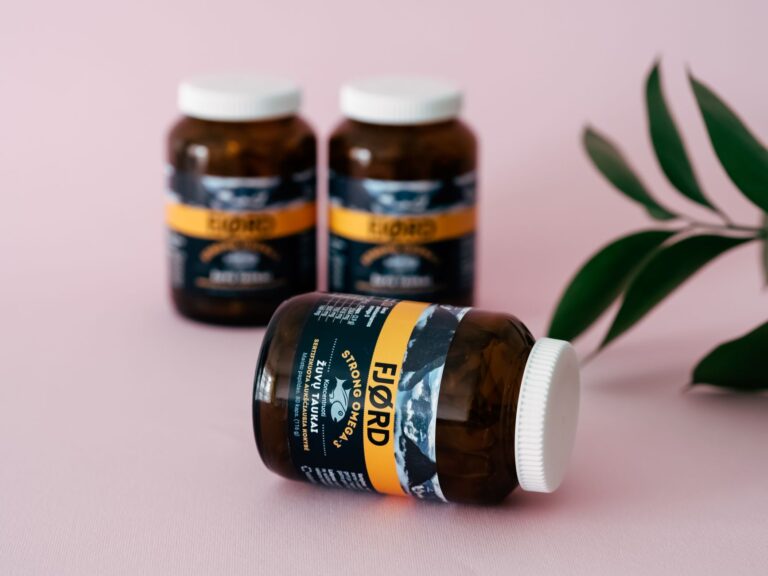
Third-party testing for a memory supplement can verify manufacturing quality, label accuracy, and screening for specified contaminants. It does not prove that the supplement improves memory, prevents cognitive decline, or is safe for every person. Third-party testing means an organization independent of the manufacturer evaluates the product against its own standards. Operation Supplement Safety emphasizes that certification addresses quality and label-content matching—not effectiveness.
Medical information disclaimer: This article is for general educational purposes only and does not provide medical advice, diagnosis, or treatment. Always consult a physician or other qualified health professional about symptoms, medications, tests, or treatment decisions.
Table of Contents
- What can a quality seal verify?
- What does certification not establish?
- What evidence supports a memory claim?
- How should you read a certification seal?
- A practical decision process
What can a quality seal verify?
A credible certification may confirm that a supplement contains its listed ingredients and meets stated limits for contaminants. It may also examine manufacturing practices and whether the product matches label specifications. Programs vary in how they perform these checks.
USP Verified supplements undergo facility audits, manufacturing-document reviews, laboratory testing, and periodic off-the-shelf testing, according to the U.S. Pharmacopeia's verification program. NSF certification also includes label and ingredient review, contaminant testing, annual audits, and periodic retesting. These measures reduce uncertainty about product identity and manufacturing quality, but they do not eliminate every possible risk.
What does certification not establish?
A quality seal does not show that an ingredient improves memory. USP specifically states that its verification program does not comprehensively address efficacy—the ability to produce the claimed benefit. Certification also does not guarantee that a supplement is safe.
The NIH Office of Dietary Supplements says independent seals may indicate proper manufacturing, listed ingredients, and acceptable contaminant levels, but not safety or effectiveness. The distinction matters for people living with dementia and their caregivers. A properly manufactured product can still lack convincing evidence for its advertised memory benefit or pose individual concerns when combined with medicines.
What evidence supports a memory claim?
A memory claim requires evidence separate from quality testing. The Federal Trade Commission says supplement health-benefit claims generally need competent, reliable support and notes that a customer-satisfaction survey is inadequate evidence of memory improvement.
Human clinical testing is more relevant than testimonials, popularity, or a certification logo. The evidence must also support the exact claim being made, rather than a broad suggestion that an ingredient is "good for the brain." The BrainStrong Adult case illustrates the difference. Marketers settled FTC allegations involving claims that a DHA supplement improved adult memory and prevented cognitive decline; the resulting order required truthful claims supported by human clinical testing.
How should you read a certification seal?
Do not treat every seal as interchangeable. Certifying organizations use different substance lists, testing methods, and standards, so the program's stated scope determines what its logo means.
Before relying on a seal: Sports-focused certification has a narrower additional purpose. NSF Certified for Sport tests for 290 categories of prohibited substances and includes inspections and ongoing monitoring, but this screening addresses contamination risk—not cognitive benefit.
- Identify the organization that issued it.
- Check whether the certification covers ingredients, label accuracy, contaminants, manufacturing, or another defined area.
- Look for ongoing audits or periodic retesting.
- Assess the memory claim separately from the quality certification.
- Avoid interpreting the seal as a universal safety guarantee.
A practical decision process
Start by separating two questions: "Is this product likely to match its label?" and "Is there reliable evidence that it improves memory?" Third-party certification can help answer the first question, while appropriate clinical evidence must answer the second. Remember that the FDA does not approve dietary supplements for safety or effectiveness before they reach the market.
Its oversight generally follows marketing through inspections, label review, adverse-event monitoring, and enforcement, as explained in the FDA's dietary supplement guidance. Show a clinician the exact supplement label before use, especially when the person takes medication or expects surgery or laboratory testing. Supplements can interact with medicines and affect procedures or test results.