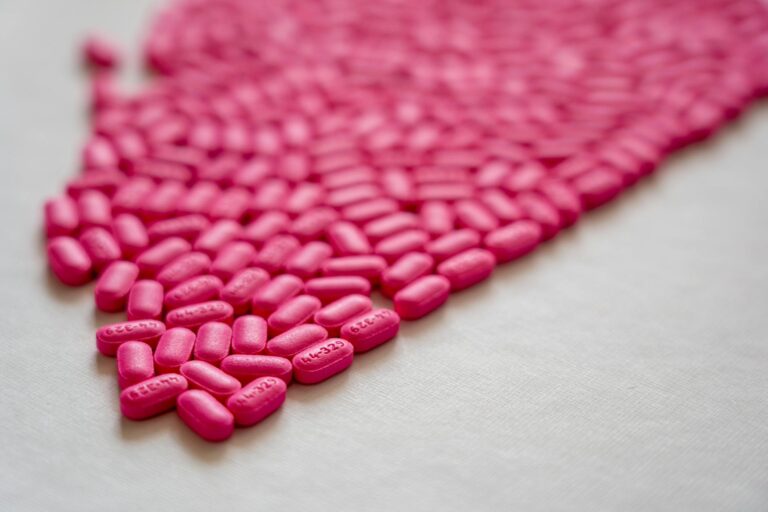
The TikTok drug trend flooding emergency rooms across the country is the so-called “Benadryl Challenge,” a dangerous dare that encourages teenagers to swallow massive doses of diphenhydramine — the active ingredient in Benadryl — to induce hallucinations. What started as a viral stunt in May 2020 has proven stubbornly persistent, resurfacing in 2023 and continuing to send children to hospitals well into 2026. According to data presented at the American Academy of Pediatrics 2025 National Conference, 413 adverse event reports were filed with the FDA for diphenhydramine among patients aged 10 to 25 between January 2013 and December 2024, with 256 of those incidents resulting in hospitalization and a staggering 213 proving fatal. The human cost is not abstract. In March 2026, an Ottawa Valley parent went public after her 13-year-old daughter and a friend each swallowed 36 tablets of Benadryl.
The girl spent four days in the hospital, including three in the Pediatric Intensive Care Unit at CHEO. In 2023, 13-year-old Jacob Stevens of Ohio went into a coma after overdosing on Benadryl with friends and died after a week on a ventilator. These are not isolated incidents — they are part of a pattern that parents, educators, and anyone caring for a person with cognitive vulnerabilities needs to understand. This article examines the scope of the Benadryl Challenge, the specific neurological and cardiac dangers of diphenhydramine overdose, what makes this trend especially concerning for families managing dementia care, and what practical steps caregivers can take to secure medications in the home. We also look at the broader landscape of dangerous social media challenges and the slow-moving policy response from government and tech companies.
Table of Contents
- What Is the TikTok Benadryl Challenge and Why Is It Still Sending Kids to Emergency Rooms?
- The Neurological and Cardiac Dangers of Diphenhydramine Overdose
- Why Dementia Caregivers Should Pay Special Attention to Medication Security
- How Parents and Caregivers Can Talk to Teens About Drug Challenges
- The Broader Epidemic of Dangerous Social Media Challenges
- What Are Tech Companies and the Government Doing About It?
- Protecting Vulnerable Households Going Forward
- Conclusion
- Frequently Asked Questions
What Is the TikTok Benadryl Challenge and Why Is It Still Sending Kids to Emergency Rooms?
The Benadryl Challenge dares participants — overwhelmingly teenagers — to ingest more than 300 milligrams of diphenhydramine in a single sitting. A standard adult dose is 25 to 50 milligrams. At the doses this challenge encourages, the drug stops being an antihistamine and becomes a deliriant, producing vivid and often terrifying hallucinations, dangerous heart rhythms, seizures, and psychosis. TikTok blocked the original hashtag in 2020, but the challenge simply migrated to new tags, coded language, and adjacent platforms. The peak year for adverse event reports was not 2020 but 2023, with 73 reports — more than any other year on record. The demographics are striking. According to the AAP data, 64 percent of cases involved girls.
The age range skews young, with children as young as 10 appearing in the FDA’s adverse event reporting system. These are not experienced drug users making calculated risks. They are children responding to social pressure and algorithmic amplification, often with no understanding that the “trip” they have been promised can end in cardiac arrest. What separates the Benadryl Challenge from earlier viral dares is accessibility. Unlike illicit drugs, diphenhydramine is available in every pharmacy, grocery store, and many home medicine cabinets without a prescription. A bottle of generic Benadryl costs a few dollars. For families managing dementia care, where diphenhydramine-containing medications may already be in the home for sleep or allergy management, this accessibility takes on an added dimension of risk.
The Neurological and Cardiac Dangers of Diphenhydramine Overdose
Diphenhydramine is an anticholinergic drug, meaning it blocks the neurotransmitter acetylcholine. At therapeutic doses, this produces mild sedation and dries up allergy symptoms. At the doses involved in the Benadryl Challenge — often ten to fifteen times the recommended amount — it overwhelms the central nervous system. The resulting anticholinergic toxicity produces a predictable and dangerous cascade: agitation, confusion, dry mouth, dilated pupils, urinary retention, elevated body temperature, and hallucinations that patients frequently describe as indistinguishable from reality. The cardiac effects are what kill. Diphenhydramine in overdose acts as a sodium channel blocker, widening the QRS complex on an electrocardiogram and predisposing the heart to fatal arrhythmias.
The South Carolina teenager hospitalized in September 2025 saw her heart rate spike to nearly 200 beats per minute. There is no specific antidote for severe diphenhydramine poisoning. Treatment is supportive — IV fluids, benzodiazepines for seizures, sodium bicarbonate for cardiac conduction abnormalities — and outcomes depend heavily on how much was taken and how quickly the patient reaches an emergency department. However, the neurological dimension deserves particular attention from anyone in the dementia care space. Anticholinergic drugs are already associated with increased dementia risk in older adults with chronic use at normal doses. In younger patients who survive a massive overdose, the acute delirium can produce cognitive effects that linger for days or weeks. For households where a grandparent with Alzheimer’s disease is being cared for alongside teenage grandchildren, the same class of drug poses risks at both ends of the age spectrum — cognitive decline in the elder, acute toxicity in the adolescent.
Why Dementia Caregivers Should Pay Special Attention to Medication Security
The intersection of teen social media trends and dementia caregiving may not be obvious, but it is real. Many dementia care households stock over-the-counter medications including diphenhydramine, whether as a sleep aid, an allergy remedy, or in combination products like Tylenol PM. Caregivers are already trained to manage a loved one’s medications carefully to prevent accidental double-dosing or dangerous interactions. The Benadryl Challenge adds another reason to treat these common drugs with the same vigilance applied to prescription opioids or benzodiazepines. Jacob Stevens, the 13-year-old Ohio boy who died in April 2023, overdosed on Benadryl with friends.
The drug was readily available in his home. His death was not the result of parental negligence — it was the result of a child accessing a product that most families consider harmless. In multigenerational households, where a caregiver’s attention is often divided between an aging parent’s complex medical needs and a teenager’s daily life, these gaps in medication security are understandable but dangerous. Practical medication lockboxes designed for dementia care — the same ones used to prevent a confused elder from taking extra doses — serve double duty in homes with teenagers. A locked medication cabinet is not a statement of distrust. It is a recognition that a drug capable of killing a healthy 15-year-old should not be sitting in an open drawer, regardless of whether a TikTok trend is involved.

How Parents and Caregivers Can Talk to Teens About Drug Challenges
The instinct to simply ban TikTok or confiscate a teenager’s phone is understandable but rarely effective in isolation. Research on adolescent risk behavior consistently shows that teens who understand the specific mechanism of harm — not just “drugs are bad” but “this drug will make your heart beat at 200 bpm and you may seize and choke on your own vomit” — are more likely to decline a dare. The challenge for caregivers juggling dementia care responsibilities is finding the time and emotional bandwidth for these conversations. One approach that emergency physicians recommend is showing teens the clinical reality without sensationalism. The AAP data provides a concrete frame: of 413 reported adverse events, more than half were fatal. That is not a scare tactic — it is a fatality rate that would make any rational person reconsider.
Comparing diphenhydramine overdose to other risks teenagers are familiar with can also be effective. A teen who would never drink antifreeze may not realize that swallowing a fistful of pink allergy pills carries a comparable risk of organ failure and death. The tradeoff caregivers face is between surveillance and trust. Monitoring a teen’s social media activity may catch early warning signs — references to challenges, conversations with friends about “tripping” on over-the-counter drugs — but heavy-handed monitoring can backfire, pushing communication underground. A middle path involves regular, matter-of-fact conversations about what is circulating online, paired with the physical step of securing medications. Neither conversation nor lockbox alone is sufficient. Both together substantially reduce risk.
The Broader Epidemic of Dangerous Social Media Challenges
The Benadryl Challenge does not exist in a vacuum. A 2025 study by the Omega Law Group found that dangerous social media challenges have resulted in more than 100 deaths and tens of thousands of emergency room visits across all challenge types. The Blackout Challenge — which encourages children to choke themselves until they lose consciousness — is linked to at least 100 deaths on its own. The Tide Pod Challenge caused 35,000 ER visits among those under 18 between 2016 and 2020, with 12.5 percent requiring hospitalization. The Milk Crate Challenge resulted in 8,107 ER-treated injuries in 2020 and 2021. The financial toll compounds the medical one.
Parents face medical costs averaging $80,000 to $100,000 per incident, according to the same study. Some children’s hospitals reported a 20 to 30 percent increase in injuries directly caused by challenge mimicry. For families already bearing the substantial financial burden of dementia care — where out-of-pocket costs for a loved one’s long-term care can run into the tens of thousands annually — an $80,000 emergency hospitalization for a teenager’s social media dare can be financially devastating. The limitation of treating each challenge as a separate crisis is that it misses the structural problem. Algorithms are designed to surface content that provokes strong emotional reactions, and dares that carry real danger are inherently provocative. Until the incentive structure of social media platforms changes, new challenges will continue to emerge. Awareness of the current trend is necessary but not sufficient — caregivers need systems, not just information.
What Are Tech Companies and the Government Doing About It?
The policy response has been slow relative to the body count. The FDA issued warnings about the Benadryl Challenge, and TikTok blocked the original hashtag, but the challenge adapted faster than the moderation tools could follow. On February 18, 2026, Drug Czar Sara Carter hosted a White House roundtable with officials from Meta, TikTok, X, YouTube, and Internet Works, focused on ending the sale of illicit drugs via social media platforms.
While the roundtable addressed drug trafficking broadly, the persistence of challenges like the Benadryl trend — which involves a legal, over-the-counter product rather than an illicit substance — falls into a regulatory gray zone. The 15-year-old Oklahoma girl who died in August 2020 after watching TikTok videos about the challenge was among the first documented fatalities. Nearly six years later, children are still being hospitalized for the same dare. That timeline tells a story about the gap between platform promises and platform performance.
Protecting Vulnerable Households Going Forward
The most important shift for families — especially those managing the dual demands of dementia caregiving and raising adolescents — is to stop thinking of over-the-counter medications as categorically safe. Diphenhydramine, acetaminophen, dextromethorphan, and loperamide have all been subjects of viral overdose trends. The medicine cabinet deserves the same locked-down approach as a gun safe: accessible to responsible adults, secured against impulsive or uninformed use by anyone else. Looking ahead, pediatric toxicologists expect social media drug challenges to continue evolving.
The specific substance will change, but the pattern — algorithmic amplification, youth vulnerability, easy access, delayed regulatory response — will not. Families caring for loved ones with dementia already understand that safety requires systems, not just vigilance. Applying that same principle to medication security for the entire household is not an overreaction. It is an extension of the caregiving mindset to a threat that is not going away.
Conclusion
The Benadryl Challenge has killed more than 200 young people and hospitalized hundreds more since 2020, according to FDA adverse event data. It persists because the drug is cheap, legal, and sitting in nearly every American household, and because social media platforms have proven unable or unwilling to suppress the content that drives it. For families managing dementia care, the stakes are compounded — anticholinergic medications like diphenhydramine pose risks to aging loved ones and teenage family members alike, and the caregiving demands of the household can leave gaps in supervision that a viral dare exploits. The practical steps are straightforward even if the problem is not.
Secure all medications, including over-the-counter products, in a locked container. Have direct, clinical conversations with teenagers about what diphenhydramine overdose actually does to the heart and brain. Stay aware that new challenges will emerge and that no single intervention is permanent. The families best positioned to weather this trend are the ones that treat medication safety as a household-wide system — the same approach that good dementia care already demands.
Frequently Asked Questions
What is the Benadryl Challenge?
The Benadryl Challenge is a TikTok-driven dare that encourages teenagers to ingest dangerously high doses of diphenhydramine — typically over 300 milligrams, which is six or more times the maximum recommended adult dose — to induce hallucinations. It first appeared in May 2020 and has resurfaced repeatedly, with the highest number of adverse event reports occurring in 2023.
How many people have died from the Benadryl Challenge?
According to data from the FDA Adverse Event Reporting System presented at the AAP 2025 National Conference, 213 of 413 adverse event reports for diphenhydramine among patients aged 10 to 25 between 2013 and 2024 were fatal. That represents a fatality rate of approximately 51.6 percent among reported cases.
Is diphenhydramine dangerous for people with dementia?
Yes. Diphenhydramine is an anticholinergic drug, and chronic use of anticholinergics has been associated with increased dementia risk in older adults. Many geriatric care guidelines recommend avoiding diphenhydramine in elderly patients, particularly those with existing cognitive impairment. Caregivers should consult a physician about safer alternatives for sleep or allergy management.
What should I do if I suspect a teen has taken a large amount of Benadryl?
Call 911 or Poison Control (1-800-222-1222) immediately. Do not wait for symptoms to appear. Symptoms of overdose include rapid heartbeat, extreme drowsiness, confusion, hallucinations, seizures, and loss of consciousness. Time is critical because cardiac arrhythmias can develop rapidly and can be fatal.
How can I secure medications in a home where I am caring for someone with dementia?
Use a locked medication box or cabinet, and keep the key or combination accessible only to responsible adults. This serves two purposes: it prevents a person with dementia from accidentally double-dosing or taking the wrong medication, and it keeps over-the-counter drugs out of reach of teenagers who might be influenced by social media challenges.