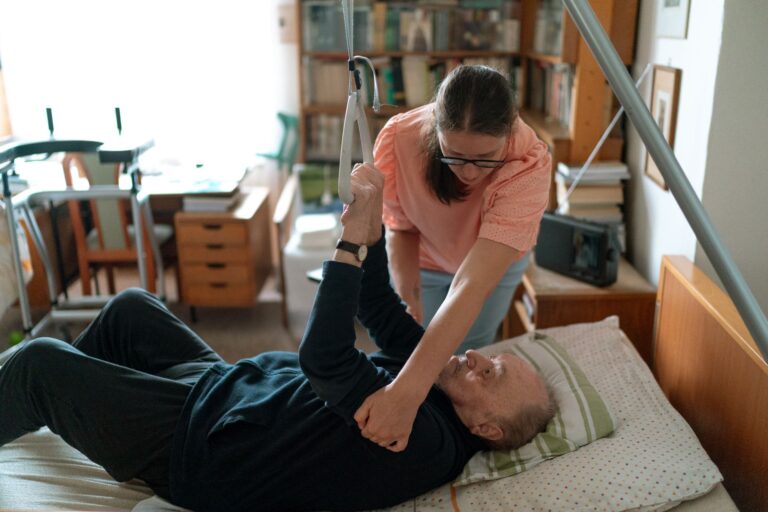
Ordinary moment sits at the center of this dementia and brain health question.
The Ordinary Moment Undervaluation Problem is a subtle but widespread issue that many people face in their daily lives. It happens when ordinary moments—those everyday experiences and interactions—are overlooked or undervalued, even though they hold significant meaning and impact on our well-being and sense of self-worth.
At its core, this problem is about how we fail to recognize the importance of small, seemingly insignificant moments that shape our emotional health and personal growth. For example, feeling unappreciated at work or in relationships can make these ordinary moments feel empty or frustrating. When people consistently prioritize others’ needs over their own or tolerate disrespect without acknowledgment, they are often undervaluing themselves during these everyday interactions.
This undervaluation leads to what some call “settling”—accepting less than one deserves because the value of one’s own contributions or feelings goes unnoticed. People might experience persistent feelings of frustration, sadness, anxiety from feeling stuck, or emotional numbness as a result. They may downplay their achievements and ambitions while allowing others to take credit or control over decisions affecting them.
One way this problem manifests is through negative self-talk where individuals convince themselves they are not worthy of better opportunities or meaningful relationships. This internal dialogue reinforces the cycle of undervaluation by making it harder for someone to demand respect and recognition.
Tracking these feelings through journaling can help reveal patterns where one feels consistently unappreciated during ordinary moments. Recognizing these patterns is crucial because it opens the door for change—helping individuals understand their worth better and advocate for what they deserve instead of settling quietly.
The Ordinary Moment Undervaluation Problem also connects with broader social dynamics where systemic issues cause certain groups’ contributions to be overlooked repeatedly over time. Whether in workplaces, communities, or families, failing to acknowledge everyday efforts diminishes motivation and perpetuates inequality on a personal level.
Addressing this problem involves becoming more aware of how we treat ourselves in daily life: noticing when we accept less than respect due; challenging negative beliefs about our value; setting boundaries against mistreatment; and seeking environments that honor our worth regularly—not just during big achievements but in all those small moments too.
Ultimately, valuing ordinary moments means recognizing that every interaction counts toward building a fulfilling life where people feel seen and appreciated—not just occasionally but as an ongoing experience woven into daily living.
For more, see NIH MedlinePlus — cognitive testing.