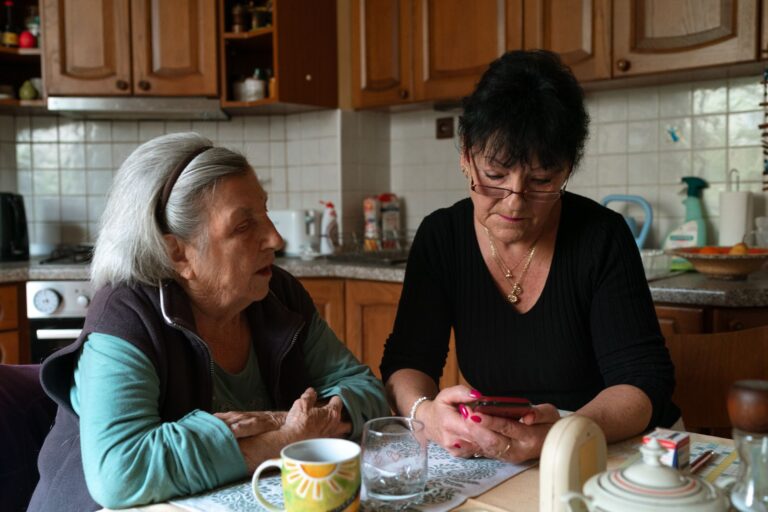
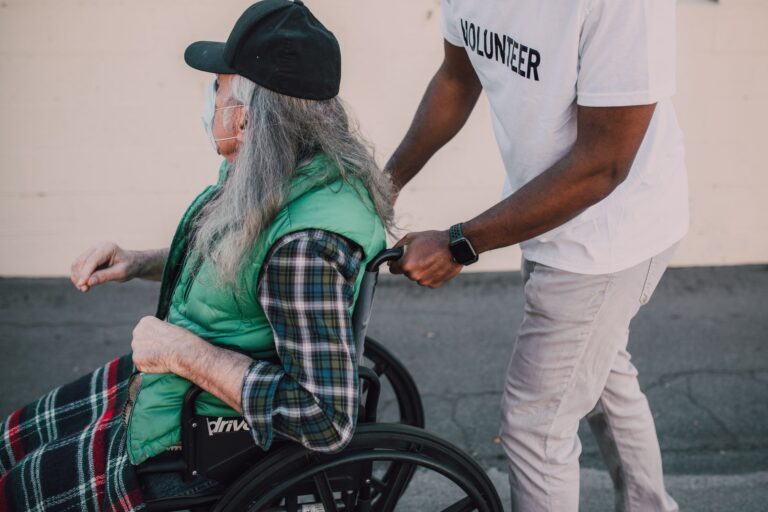
Family caregivers can check nearby Alzheimer's Disease Research Centers, local home-based services, VA Caregiver Support and Medicare provider comparisons. That is the practical takeaway from the 2026 Dementia Care and Caregiving Summit Report from the National Institute on Aging (NIA). The summit brought together researchers, people living with dementia, care partners, clinicians and community groups. The National Institute on Aging says in its 2026 summit page that the meeting was held virtually on March 17-19, 2026.
Medical information disclaimer: This article is for general educational purposes only and does not provide medical advice, diagnosis, or treatment. Always consult a physician or other qualified health professional about symptoms, medications, tests, or treatment decisions.
Table of Contents
- What the report gives you
- Why caregivers are hard to reach
- Which care approaches have stronger support
- What can you check this week
What the report gives you
The report does not prescribe one treatment or single care model. The National Institute on Aging says in its summary of the summit report that it lists research gaps and priorities to shape better future care.
That focus matters for families. It means the value is not a new prescription to ask a doctor for now. It is a map of where help is missing and what programs deserve more testing.
Why caregivers are hard to reach
Caregivers are often invisible in patient-centered administrative and health-system data. The National Institute on Aging report identifies that gap as a reason health systems and community groups struggle with outreach.
The report therefore prioritizes identifying and engaging caregivers through community settings. For families, the lesson is direct: do not wait to be found by the health system. Contact community sources yourself.
Which care approaches have stronger support
A National Academies review done with NIA and AHRQ found the Collaborative Care Model and REACH had the most evidence of benefit. Collaborative care links the person, caregiver and medical team in a shared plan. REACH is a structured skills program that helps caregivers manage behavior changes and stress.
NIA-supported programs called Aging Brain Care and MIND at Home provided evidence for the CMS GUIDE Model. GUIDE aims to improve quality of life, help beneficiaries stay home longer and save costs. When you call a local program, ask whether it uses team-based coordination or caregiver-skills coaching.
What can you check this week
Start with places the NIA already points families to for diagnosis help, service information, outreach, support groups and trial referrals. The National Institute on Aging lists nearby options through its Alzheimer's Disease Research Centers directory.
Then work through the current caregiving contacts the National Institute on Aging gathers in its caregiving toolkit: Call one center and one service line, and write down intake hours, wait times and costs. The summit report estimates total annual economic impact at $781 billion, including a $232 billion component for patients, families, payers and public programs, so asking about fees and coverage early protects household budgets.
- ADEAR for Alzheimer's and related-dementia information
- local, state and national home-based services
- VA Caregiver Support, if the person served in the military
- Medicare provider-comparison tools for agencies and facilities
You Might Also Like
- Strengths-Based Dementia Care in the 2026 NIA Report: A Source-Checked Briefing for Family Caregivers
- Early Dementia Detection Across Care Settings in the 2026 NIA Report: A Source-Checked Briefing for Family Caregivers
- Unpaid Dementia Care Costs in the 2026 NIA Summit Report: Cost and Access Questions for Family Caregivers