The NIA 2026 Dementia Care and Caregiving Summit Report maps service gaps that matter most to spouses and partners. It points to fragmented coordination, thin caregiver support, and data gaps that make planning harder for couples at home. The National Institute on Aging convened researchers, people living with dementia, care partners, providers, and federal partners at a virtual summit March 17-19, 2026, according to the Roybal Coordinating Center summit announcement. NIA released the summary report in August 2026 to set research gaps and priorities, according to Community Care Corps fall newsletter.
Medical information disclaimer: This article is for general educational purposes only and does not provide medical advice, diagnosis, or treatment. Always consult a physician or other qualified health professional about symptoms, medications, tests, or treatment decisions.
Table of Contents
- Why the bill falls on families
- Why help feels fragmented
- Who is still overlooked
- What spouses can check now
Why the bill falls on families
The report concludes total annual United States costs approach $818 billion when unpaid care, lost earnings, and quality-of-life losses count, according to the National Institute on Aging 2026 summit report. A USC-led study from June 2026 reached the same total. It found overlooked costs drive the number, especially diminished quality of life and forgone earnings.
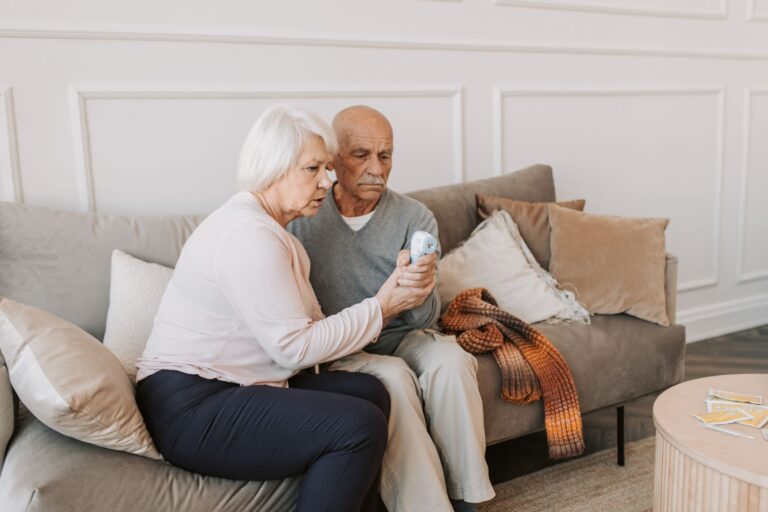
For spouses, that means the largest costs are often invisible. A partner cuts work hours to supervise safety, manage medicines, and handle meals. Both partners can lose sleep, health, income, and time with friends.
Why help feels fragmented
Many couples see several doctors but have no one coordinating daily care. Visits focus on symptoms, while families still arrange training, crisis help, and breaks alone. The NIA report notes care-coordination models are expanding and may shape future practice.
One model spouses will hear about is the CMS GUIDE Model. It offers a navigator, a 24-hour support line, caregiver training, and respite instead of visit-only care. Ask a primary-care clinic, memory clinic, or Area Agency on Aging whether GUIDE serves your ZIP code.
Who is still overlooked
The NIA report urges strengths-based approaches across all dementia types. That means asking what a person can still do, not only what is lost. It also means planning for people without a traditional care partner.
Aging spouses face special risk here. They may provide long hours of care while coping with their own health limits. Isolation can grow when driving stops, friends visit less, and nights bring worry.
What spouses can check now
The report recommends no single treatment or care model. Local fit matters more than a national best program.
Use this short check this month: Bring a one-page list to the visit with diagnoses, medicines, falls, sleep issues, and hours of care each week. Name a backup helper and a crisis number before a crisis hits.
- Call your clinic and ask about GUIDE eligibility for free coordination and caregiver support, according to CMS GUIDE Model page
- Ask what respite is included, up to about $2,500 per year for in-home help, adult-day programs, or facility breaks
- Ask what records, function measures, and caregiver needs are tracked, because data siloes still limit planning
You Might Also Like
- The $781 Billion Dementia Economic Estimate in the 2026 NIA Report: A Source-Checked Briefing for Spouses and Partners
- Caregiver Job and Retirement Losses in the 2026 NIA Report: Cost and Access Questions for Spouses and Partners
- Young-Onset Dementia Cost Gaps Identified by NIA in 2026: Service Gaps That Matter to Working Dementia Caregivers