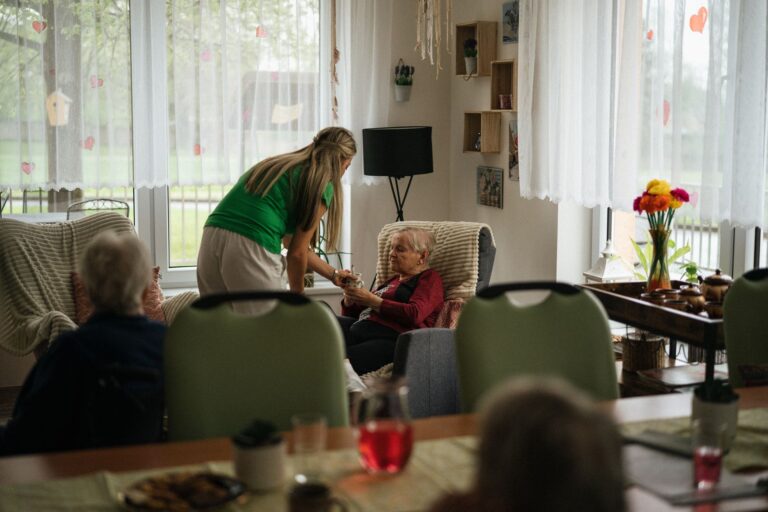
The dementia care map discussed by NIA groups in 2026 is a linked path from diagnosis to ongoing support close to home. For working caregivers, it answers cost and access: most dementia expense falls on families, not the health system, through unpaid time and missed work.
Canada's National Institute on Ageing frames the ideal as coordinated care that follows families over time. The United States NIA-funded IMPACT Collaboratory adds a practical map of diagnosed dementia. Together they show where care should go and where need is highest.
Medical information disclaimer: This article is for general educational purposes only and does not provide medical advice, diagnosis, or treatment. Always consult a physician or other qualified health professional about symptoms, medications, tests, or treatment decisions.
Table of Contents
- What does coordinated care cover?
- What does the United States map add?
- Why does dementia hit working caregivers hard?
- How can working caregivers get short-term relief?
What does coordinated care cover?
Canada's National Institute on Ageing calls for care that follows families from diagnosis through ongoing support in its 2026 dementia report. One person or team tracks referrals, check-ins and next steps. The same report sets four priorities: national standards, stronger providers, fair and inclusive access, and common measures of provincial progress.
The same NIA report cites diagnostic delays, limited primary-care capacity and uneven post-diagnostic support for an estimated 772,000 Canadians with dementia. Care is often poorly coordinated and access varies by place. For workers, that means added time spent searching, driving and waiting.
What does the United States map add?
The NIA-funded IMPACT Collaboratory's United States Dementia Map lets users compare diagnosed dementia by state, hospital region, hospital, emergency department and nursing facility in the November 2026 announcement. It uses 2023 Medicare data for beneficiaries age 65 and older. That scope shows diagnosed cases in the health system, not every person with dementia.
A working caregiver can compare nearby hospitals and nursing facilities side by side. High diagnosed prevalence can signal heavier demand for appointments, discharge planning and follow-up. Low numbers do not prove low need, because some cases remain undiagnosed.
Why does dementia hit working caregivers hard?
A USC Schaeffer Center study estimates total 2026 United States dementia costs at $818 billion, with about 27 cents of each dollar flowing through the health system in its cost analysis. The rest falls on patients and families. About 5.2 million people, often in prime working years, provide 6.8 billion hours of unpaid care valued at $237 billion, according to the same USC study.
Adult children with a parent with Alzheimer's or related dementia were 1.80 times more likely to be unemployed and 2.95 times more likely to miss work for caregiving, in a study using 2015-2021 MEPS data published in the American Journal of Geriatric Psychiatry. Incremental absenteeism cost was $4,510 per person per year. For hourly or salaried workers, that gap means lost pay plus rearranged shifts and backup coverage.
How can working caregivers get short-term relief?
The United States National Institute on Aging describes respite as short-term relief for a few hours to a few weeks at home, in a facility or at adult day care in its caregiving guide. Families can search the ARCH Respite Locator for local options.
The Administration for Community Living's Eldercare Locator connects families to local Area Agencies on Aging. For a work-week plan, compare programs on schedule fit rather than name alone. Call the local agency before a crisis and ask what daytime coverage can start this month.
- Write the hours you need covered, including travel and on-call time.
- Ask each program about setting, availability, cost and wait time.
- Ask the Area Agency on Aging which option fits evening, weekend or shift work.
You Might Also Like
- The 2026 NIA Workshop on Comprehensive Dementia Care Models: Cost and Access Questions for Working Dementia Caregivers
- UAS-CLEAR Dementia Care Research Data Priorities in 2026: How Spouses and Partners Can Avoid Overreading the Headline
- The Long-Term Care Data Cooperative and Dementia Research in 2026: How Spouses and Partners Can Avoid Overreading the Headline