Pressed flowers have no standard clinical "hidden meaning" during a loved one's dementia journey. Their most defensible meaning is personal: they may preserve a relationship, place, or moment and offer a gentle route to connection. A flower is not a clinical sign, a measure of memory, or a treatment. Its importance depends on the history attached to it and the feelings it evokes for the person and caregiver.
Medical information disclaimer: This article is for general educational purposes only and does not provide medical advice, diagnosis, or treatment. Always consult a physician or other qualified health professional about symptoms, medications, tests, or treatment decisions.
Table of Contents
- Is the flower's symbolism universal?
- How can a pressed flower support connection?
- What if the flower brings up sadness?
- What does the evidence actually show?
- When the flower matters more to the caregiver
Is the flower's symbolism universal?
Victorian traditions assigned symbolic meanings to individual flowers. However, Smithsonian gardens notes that these meanings vary across cultures and periods, so an old floral code cannot reliably explain a particular keepsake. Personal context is more useful than the flower species.
A bloom saved from a wedding bouquet may represent marriage, while one from a family garden may recall seasons spent together. Look for direct clues before assigning symbolism. A note, date, photograph, envelope, or family story may explain why someone preserved the flower.
How can a pressed flower support connection?
People with dementia may retain older memories longer than recent ones. The Alzheimer's Association says familiar objects and keepsakes can help evoke memories. That makes a pressed flower a possible reminiscence cue—a familiar object used to invite memories, feelings, or conversation.
A flower connected to a wedding, holiday, garden, or relationship may be especially meaningful. Present it as an invitation, not a memory test. Instead of asking, "Do you remember who gave you this?" try, "This came from your garden," or, "Would you like to look at it with me?" Recognition is not required for the moment to matter. The person may respond to the color, story, or shared attention without identifying the flower's history.
What if the flower brings up sadness?
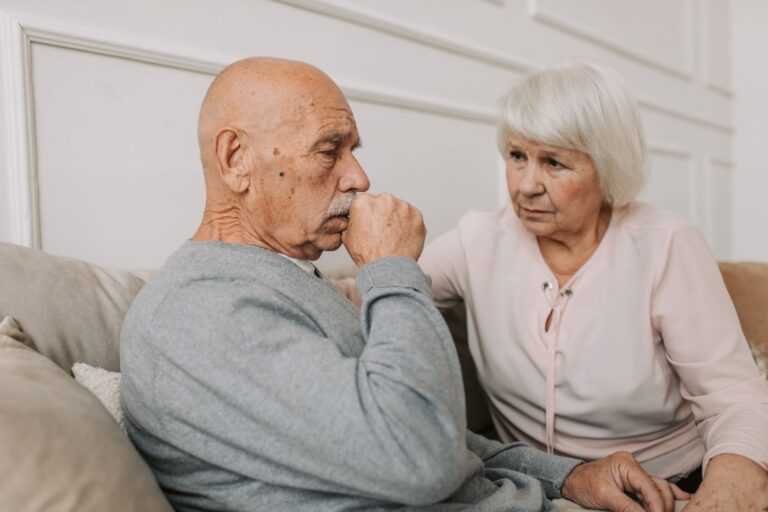
Reminiscence can support conversation, social interaction, confidence, and a person's sense of self. The Alzheimer's Society also cautions that it can uncover difficult or sad memories.
Use the flower gently: If sadness appears, acknowledge the feeling without pressing for an explanation. Comfort and connection matter more than establishing an accurate version of the past.
- Choose a calm moment without demanding a response.
- Share one simple fact or memory at a time.
- Notice facial expressions, body language, and changes in tone.
- Follow the person's interest rather than correcting details.
- Put the flower away if the person becomes distressed.
What does the evidence actually show?
A keepsake should not be presented as a way to restore memory or treat dementia. A 2018 Cochrane review of 22 randomized studies involving 1,972 people found no important immediate overall quality-of-life effect from reminiscence therapy compared with no treatment.
This does not make the flower meaningless. It means its value should be judged by the individual moment: whether it encourages comfort, interest, conversation, or shared attention without causing distress.
When the flower matters more to the caregiver
The person with dementia may not recognize the flower, yet it can still carry deep meaning for a caregiver. A 2021 review in Health & Social Work describes ambiguous loss as loss experienced while a person remains alive, as roles, abilities, and relationships change.
A pressed flower can become a tangible record of continuity, grief, or affection. Write its date, origin, people, and story on acid-free paper, then store that note with the flower so its personal meaning is not lost.