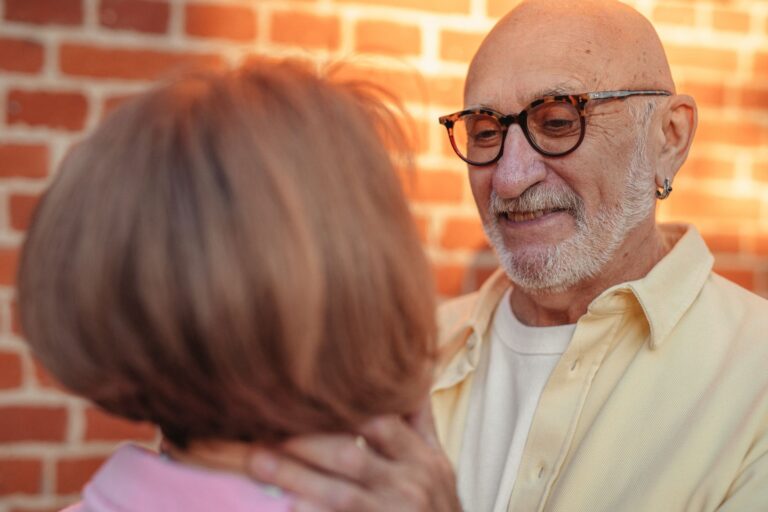
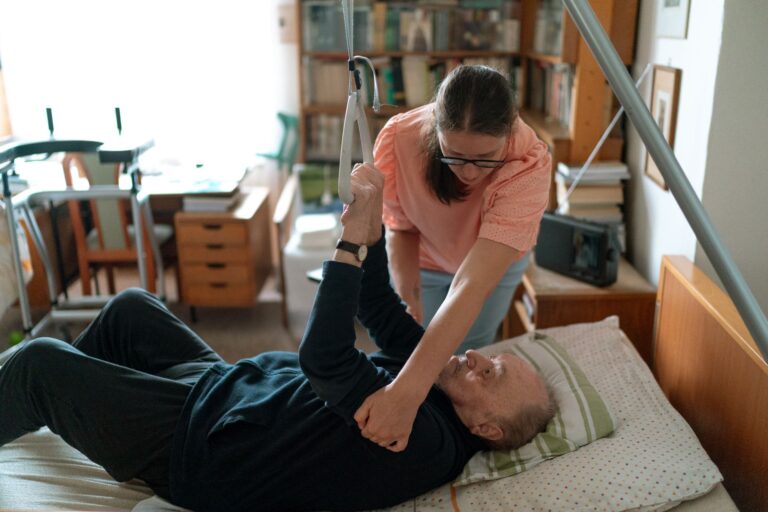
Great social sits at the center of this dementia and brain health question.
The Great Social Retreat: How We Chose Safety Over Connection
In recent years, especially since the onset of the COVID-19 pandemic, many people have found themselves stepping back from social life in a way that feels unprecedented. This “great social retreat” is not just about avoiding parties or skipping gatherings; it’s a deeper shift where safety concerns have reshaped how we connect with others.
When the pandemic first hit, governments around the world imposed strict measures to slow down viral spread. Parks were closed, playgrounds taped off, and indoor public spaces shuttered. These actions disrupted normal social interactions and forced people into isolation. While some of these restrictions seemed extreme or even counterproductive in hindsight, they bought crucial time for healthcare systems to prepare and for vaccines to be developed.
This retreat wasn’t simply about fear—it was also about protecting ourselves and those around us. For many individuals with ongoing health challenges like Long COVID, venturing out became a complex balancing act between maintaining physical safety and nurturing mental well-being. One person’s story highlights this struggle: after years battling Long COVID symptoms and hospital visits, they carefully planned a trip abroad not just as travel but as an act of reclaiming joy while managing their energy wisely.
The impact goes beyond individual choices; communities felt it too. Nonprofits and support groups had to rethink how they engage members safely without losing connection entirely. The usual ways we gather—team retreats, leadership workshops—have faded or transformed because large group settings pose risks that can’t be ignored.
Yet this withdrawal from face-to-face interaction has consequences on our sense of belonging and communication skills over time. Some studies suggest that when people do come together in safe environments like retreats designed with health in mind, their ability to communicate improves significantly afterward—showing how much we crave meaningful connection despite caution.
Ultimately, what we’ve witnessed is not just a temporary pause but a profound reconsideration of what it means to be socially connected when safety must come first. It challenges us all: How do we maintain human closeness without compromising health? How do we rebuild trust after policies sometimes felt confusing or inconsistent?
As society moves forward from this era marked by distancing and uncertainty, these questions remain at the heart of our collective experience—a reminder that choosing safety over connection is never easy but often necessary for survival itself.
For more, see NIH MedlinePlus — dementia.