While there isn’t a single national “Free Exercise Program for Seniors That 6 States Now Offer” specifically branded for dementia prevention, multiple states do offer free or low-cost exercise programs for seniors—and the research increasingly shows these matter for brain health. Programs like EnhanceFitness operate in hundreds of organizations across the country, including dedicated initiatives in states like Pennsylvania and Georgia, and the science behind why seniors should take advantage of them is now clearer than ever. Studies from 2025-2026 show that as little as 35 minutes of moderate-to-vigorous physical activity per week is associated with a 41% lower dementia risk over a four-year follow-up, with even greater protection—60-69% risk reduction—at higher activity levels.
This article covers what free exercise programs are actually available to seniors, what the research tells us about exercise and dementia prevention, and how to find programs in your state. The confusion around a specific “6-state program” may stem from the patchwork nature of senior fitness offerings. There’s no single federal initiative with that exact branding, but there are evidence-based programs available through state health departments, Area Agencies on Aging, community centers, and Medicare-funded benefits that accomplish the same goal—getting seniors moving for brain health and overall wellness.
Table of Contents
- What Free Exercise Programs Actually Exist for Seniors Right Now?
- The Research Behind Exercise and Dementia Prevention—What Changed in 2025
- Why State-Based Programs Matter More Than a Single National Program
- How to Actually Find and Access Free Exercise Programs Near You
- A Critical Limitation: Exercise Alone Isn’t Dementia-Proof
- The Cognitive Benefit Goes Beyond Just Dementia Risk
- What’s Ahead for Senior Fitness and Dementia Prevention
- Conclusion
What Free Exercise Programs Actually Exist for Seniors Right Now?
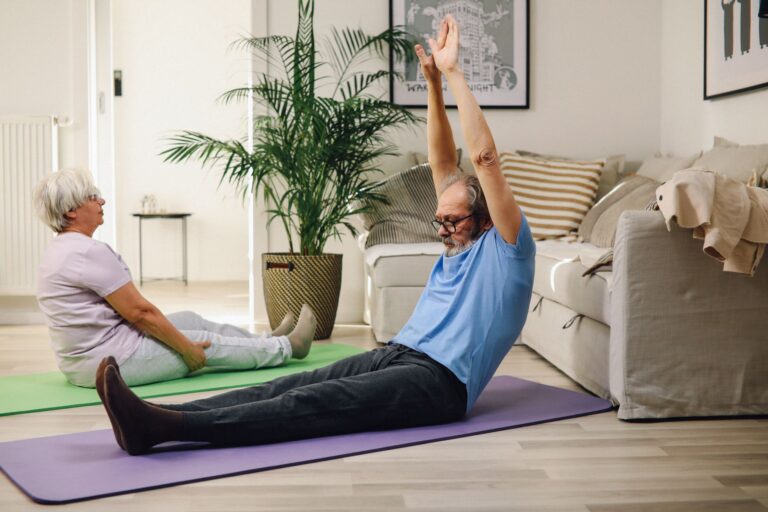
The most established evidence-based program is EnhanceFitness, developed by the University of Washington Health Promotion Research Center and managed through Sound Generations. This is a group-based exercise program available through hundreds of organizations across the country—not limited to six states, but genuinely nationwide. It focuses on strength, balance, flexibility, and endurance in a social setting, which matters because the cognitive benefits of exercise increase when seniors exercise in groups rather than alone.
Pennsylvania offers a specific program called the Strength, Balance and Exercise Program for older adults 60 and up, typically delivered in 2-8 sessions by certified instructors through aging services. Georgia similarly provides physical fitness classes through its Division of Aging Services Area Agencies on Aging. Beyond state programs, SilverSneakers is a Medicare fitness benefit available in all 50 states with access to 22,000+ fitness centers—this isn’t free to all seniors, but it’s included at no extra cost if you have certain Medicare Advantage plans. The limitation here is that SilverSneakers isn’t specifically marketed around dementia prevention, though the underlying research increasingly supports it.

The Research Behind Exercise and Dementia Prevention—What Changed in 2025
For decades, people knew exercise was good for seniors’ overall health. But 2025-2026 research from Johns Hopkins and other institutions has made the dementia connection undeniable. The most striking finding: 35 minutes of moderate-to-vigorous physical activity weekly is associated with 41% lower dementia risk. This isn’t about training for marathons—it’s a genuinely modest commitment that produces significant protection.
More activity yields more protection: seniors doing 35-140+ minutes per week showed 60-69% lower dementia risk, suggesting there’s a dose-response benefit but not an extreme threshold. However, there’s an important caveat: these are associations, not guarantees. The research shows strong correlations between activity and dementia risk reduction, but individual factors like genetics, cardiovascular health, and cognitive reserve also play roles. Additionally, the protective effect is strongest in midlife—exercise habits built in the 50s and 60s appear to have the most impact—though research confirms that starting exercise even in late life still offers protection across all intensity levels. So if you’re a senior who hasn’t exercised regularly, that’s not a reason to avoid starting; the data suggests you’d still benefit.
Why State-Based Programs Matter More Than a Single National Program
One reason there’s no single “6-state free dementia prevention program” is that seniors’ needs vary widely by geography and mobility. A structured group program works for some seniors but isn’t accessible to others—transportation, hearing loss, mobility limitations, and social anxiety all factor in. State and local programs adapt to these differences. Pennsylvania’s approach of offering short-term, intensive programs (2-8 sessions) makes sense for states with older rural populations where transportation is harder; Georgia’s ongoing classes through Area Agencies on Aging ensure geographic coverage in a sprawling state.
EnhanceFitness, as a nationwide model, is probably the closest to the program implied by the question—it’s free or low-cost through participating organizations and specifically designed for older adults’ health needs. But calling it a “6-state program” would understate its reach. The real situation is messier but more inclusive: seniors have options through multiple pathways—state health departments, community centers, senior centers, and Medicare benefits—rather than one branded initiative. The downside of this decentralization is that awareness is fragmented, and seniors often don’t know what’s available in their area unless they actively search.

How to Actually Find and Access Free Exercise Programs Near You
Start with your state’s Department of Health or Department of Aging Services website. Most states list free or subsidized senior fitness programs, sometimes through Area Agencies on Aging. The Alzheimer’s Association (alz.org) also maintains a directory of programs and resources by state that specifically emphasizes dementia prevention. If you have Medicare, check whether your plan includes SilverSneakers or Renew Active—these are no-cost add-ons for many Medicare Advantage plans.
The comparison: community-based free programs often emphasize social engagement and group accountability (which research suggests enhances cognitive benefits), while gym memberships through SilverSneakers offer flexibility and a wider range of equipment. For someone with cognitive concerns, the group-based model of EnhanceFitness or state programs may have additional benefits beyond just the exercise itself. However, if you’re someone who exercises better alone, or if you have mobility constraints that require specialized equipment, the gym route might be more practical. Cost-wise, both are free or low-cost for eligible seniors—that’s not the deciding factor.
A Critical Limitation: Exercise Alone Isn’t Dementia-Proof
The 41-69% risk reduction from exercise is substantial, but it’s not 100% protection. Researchers have also looked at cognitive training—spending 10 hours on cognitive speed training plus booster sessions reduced Alzheimer’s/dementia diagnosis risk by approximately 25%. The implication: combining physical activity with mental stimulation appears to offer more complete protection than either alone.
This matters because some seniors join exercise programs expecting them to be a complete dementia-prevention solution when they’re actually one component of a broader approach that should also include cognitive engagement, social connection, sleep, cardiovascular health, and diet. Another limitation specific to some programs: group-based classes may not work for seniors with hearing loss, social anxiety, mobility challenges that limit transportation, or those living in very rural areas. If a statewide program doesn’t reach your area, you may need to explore alternatives—home-based exercise videos, one-on-one physical therapy, or solo activities like walking or swimming. The research on dementia prevention shows benefits across different types of physical activity, so the “best” program is ultimately the one you’ll actually stick with.

The Cognitive Benefit Goes Beyond Just Dementia Risk
Exercise for seniors is marketed primarily around fall prevention and heart health—understandable priorities. But the 2025-2026 research emphasizes something broader: physical activity appears to change how the brain ages. Studies show midlife exercise cuts dementia risk by up to 45%, which is remarkable considering how many factors influence brain aging. The mechanism isn’t fully understood, but exercise likely works through multiple pathways—improving blood flow to the brain, reducing inflammation, promoting the growth of new neurons in memory centers, and supporting cardiovascular health (heart and brain are closely linked).
This reframing matters for recruitment and retention in senior fitness programs. A senior who joins “to prevent falls” may stay engaged for a few months. But a senior who understands they’re literally protecting their brain and independence in their 80s and 90s often shows better long-term commitment. This is why programs that communicate the dementia-prevention angle alongside the immediate benefits (strength, balance, mood) tend to work best.
What’s Ahead for Senior Fitness and Dementia Prevention
As the connection between exercise and dementia prevention becomes clearer, expect more states to explicitly market their senior fitness programs around brain health, not just mobility. The current gap—where programs exist and are free, but seniors don’t know they’re designed partly for cognitive protection—is an awareness issue, not a program issue.
Medicare’s ongoing expansion of fitness benefits and the growing evidence base should drive more integration of dementia prevention messaging into existing programs over the next few years. For now, seniors looking to reduce dementia risk through exercise should start with their state’s Department of Aging or the Alzheimer’s Association website, ask specifically about evidence-based programs like EnhanceFitness, and commit to at least 35 minutes of moderate activity weekly. The research is clear: it works, it’s available, and it matters.
Conclusion
There’s no single “Free Exercise Program for Seniors That 6 States Now Offer Specifically for Dementia Prevention”—but there are multiple free and low-cost exercise programs available in most states, and the scientific evidence for their role in dementia prevention is now stronger than ever. Programs like EnhanceFitness, state-specific initiatives in Pennsylvania, Georgia, and other states, and Medicare fitness benefits all offer seniors accessible pathways to the 35+ minutes of weekly moderate-to-vigorous activity associated with 41% lower dementia risk. The key is finding what’s available in your area and actually using it.
Start by contacting your state’s Department of Health or Department of Aging Services, exploring EnhanceFitness availability near you, or visiting the Alzheimer’s Association website to find dementia-prevention resources and exercise programs in your region. Combine regular physical activity with other brain-protective habits—social engagement, cognitive stimulation, quality sleep, and heart-healthy eating—for the strongest defense against cognitive decline. The tools exist; seniors just need to know where to find them.
You Might Also Like
- The Exact Amount of Exercise Per Week That Lowers Dementia Risk by Up to 45%
- The Free Online Brain Training Course That Was Developed From the Largest Dementia Prevention Trial
- Why Mental Activity While Sitting May Lower Dementia Risk More Than Physical Exercise Alone
For more, see Alzheimer’s Association — clinical trials.