Research from the Framingham Heart Study shows that people who engage in high levels of physical activity during midlife—roughly ages 45 to 64—can reduce their dementia risk by up to 45 percent. For those 65 and older, consistent physical activity still delivers substantial protection, lowering dementia risk by up to 41 percent. Even more accessible, research also indicates that simply walking 3,800 steps per day can reduce dementia risk by 25 percent, suggesting that meaningful brain protection doesn’t require elite athleticism or hours at the gym. This article explores what the latest science tells us about the specific amounts and types of exercise that guard against cognitive decline, why timing matters, and what these findings mean for people at different life stages. The Framingham Heart Study, one of the longest-running cardiovascular research projects, followed over 1,500 participants and analyzed their physical activity patterns across decades.
The results were striking: the connection between movement and brain health isn’t marginal. The magnitude of dementia risk reduction rivals what we see with some pharmaceutical interventions, yet it’s achieved through a lifestyle factor that most people can modify without medication, cost, or side effects. What makes these findings particularly important is what they don’t require. You don’t need to train for marathons, compete in triathlons, or spend two hours daily in the gym. The research shows benefits across different intensities and durations, and even older adults—including those with frailty—can realize substantial cognitive protection by moving their bodies regularly.
Table of Contents
- How Much Exercise Per Week Actually Reduces Dementia Risk?
- Why Physical Activity Protects the Aging Brain
- The Midlife Window and Why Starting Early Matters
- Walking, Cycling, Swimming, or Resistance Training—What Works Best?
- Age and Intensity—When Less Still Delivers Results
- Gender, Genetics, and Individual Variation
- Building Lasting Habits and Staying Consistent
- Conclusion
How Much Exercise Per Week Actually Reduces Dementia Risk?
The Framingham Heart Study didn’t simply measure whether people exercised—it quantified activity levels and correlated them with dementia outcomes over time. The key finding was that high levels of physical activity in midlife (ages 45-64) produced the 45 percent risk reduction, while high levels in late-life (ages 65-88) produced the 41 percent reduction. In practical terms, this typically translates to several hours per week of moderate-intensity activity—consistent with standard public health recommendations of 150 minutes of moderate aerobic activity weekly, though the exact threshold varies by individual fitness level and metabolism. A separate analysis found that walking 3,800 steps daily lowered dementia risk by 25 percent, a more accessible benchmark for people just beginning an exercise routine or managing chronic conditions.
This matters because it sets a realistic floor: you don’t need to hit 10,000 steps or run five miles to gain measurable cognitive protection. For comparison, the average sedentary adult takes around 3,000-4,000 steps per day, meaning a modest 1,000-2,000 step increase—roughly a 20 to 30-minute walk—can move someone into the protective zone. One important caveat: these numbers represent population-level associations, not absolute guarantees. An individual walking 3,800 steps daily won’t necessarily reduce their dementia risk by exactly 25 percent, as genetics, diet, sleep, education, and other factors also influence cognitive aging. However, the consistency of the findings across different age groups suggests the protective effect is real and independent of many confounding variables.
Why Physical Activity Protects the Aging Brain
Exercise benefits the brain through multiple biological pathways that become increasingly important with age. Physical activity increases blood flow to the brain, promotes the growth of new brain cells (neurogenesis), and reduces inflammation—all processes that tend to slow as we age. Moderate to vigorous activity particularly stimulates the hippocampus, the region most vulnerable to dementia-related damage. Regular movement also improves cardiovascular health, and protecting heart health directly protects brain health; what’s good for your coronary arteries is good for your cerebral arteries. There’s also a metabolic component: exercise helps regulate blood sugar and insulin sensitivity, which matters because type 2 diabetes and poor metabolic control are independent risk factors for dementia.
People who maintain stable blood sugar through regular physical activity—whether through walking, cycling, swimming, or resistance training—are stacking protective advantages. The Framingham data didn’t break down different exercise types separately, but population studies suggest that combinations of aerobic activity and strength training may offer the broadest cognitive benefit. However, the protective effect isn’t instantaneous. The research shows associations over years and decades, meaning the dementia risk reduction reflects cumulative effects of sustained, long-term activity—not a “use it today, protect yourself forever” scenario. If someone has been sedentary for decades, starting exercise at age 68 will still help, but won’t erase the risk accumulation from 40 years of inactivity. This underscores why exercise patterns in midlife are so powerful: they establish decades-long protective momentum rather than trying to reverse a lifetime of sedentary habits late in the game.
The Midlife Window and Why Starting Early Matters
The 45 percent risk reduction observed in midlife participants (ages 45-64) is notably larger than the 41 percent in older adults, suggesting there’s something particularly protective about establishing and maintaining exercise habits during the 40s, 50s, and early 60s. This likely reflects both the biological advantages of protecting the brain while it’s still in a more plastic, adaptable state and the compounding benefits of 20+ years of consistent activity before symptoms would typically emerge. For someone in their 50s who has never exercised seriously, this research offers dual messaging: the good news is that starting now will provide meaningful protection, and the Framingham data confirms that late-life exercise still works. The less encouraging news is that the largest protective advantage accrues to those who build exercise habits earlier and maintain them.
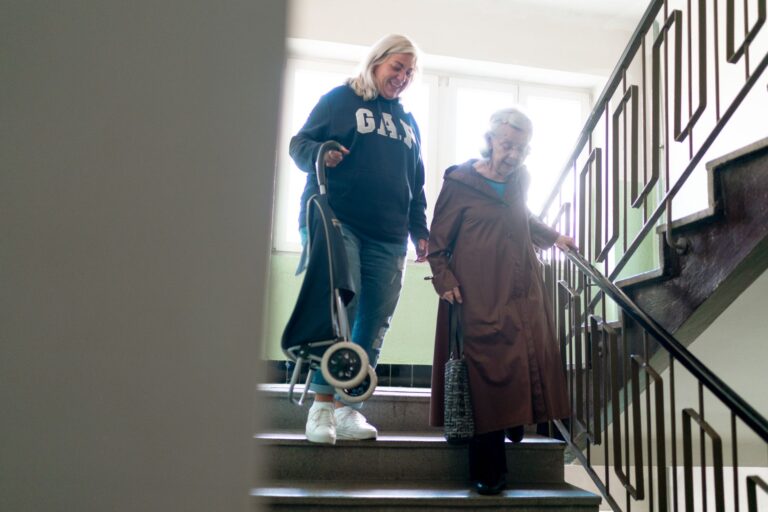
A 55-year-old who walks regularly gains protection, but someone who has walked regularly since age 40 has an additional 10+ years of accumulated neuroprotection. This doesn’t mean older adults should feel discouraged. The 41 percent risk reduction in the 65-88 age group demonstrates that the brain remains responsive to physical activity throughout life. Even starting an exercise program in your 70s or 80s provides substantial cognitive insurance. The research showed meaningful benefits even in frail older adults, meaning conditions like arthritis, mild weakness, or previous inactivity don’t disqualify someone from experiencing dementia risk reduction.

Walking, Cycling, Swimming, or Resistance Training—What Works Best?
The Framingham study measured overall physical activity levels without strictly separating aerobic exercise from strength training or low-impact activities like swimming. This generality is actually useful information: it suggests that multiple pathways lead to cognitive protection. Someone with knee arthritis who swims five times weekly likely gains similar protection to someone who walks, and a person doing resistance training twice weekly plus some aerobic activity is also building dementia defenses, even if the combination doesn’t match the exact 150-minute-per-week aerobic benchmark. Walking has particular advantages for brain health: it’s accessible to people across fitness levels, requires no equipment, and the research specifically showed that 3,800 steps daily (roughly 30 minutes of moderate-pace walking) delivers 25 percent dementia risk reduction. For someone just starting out or managing health limitations, walking provides a clear, achievable entry point.
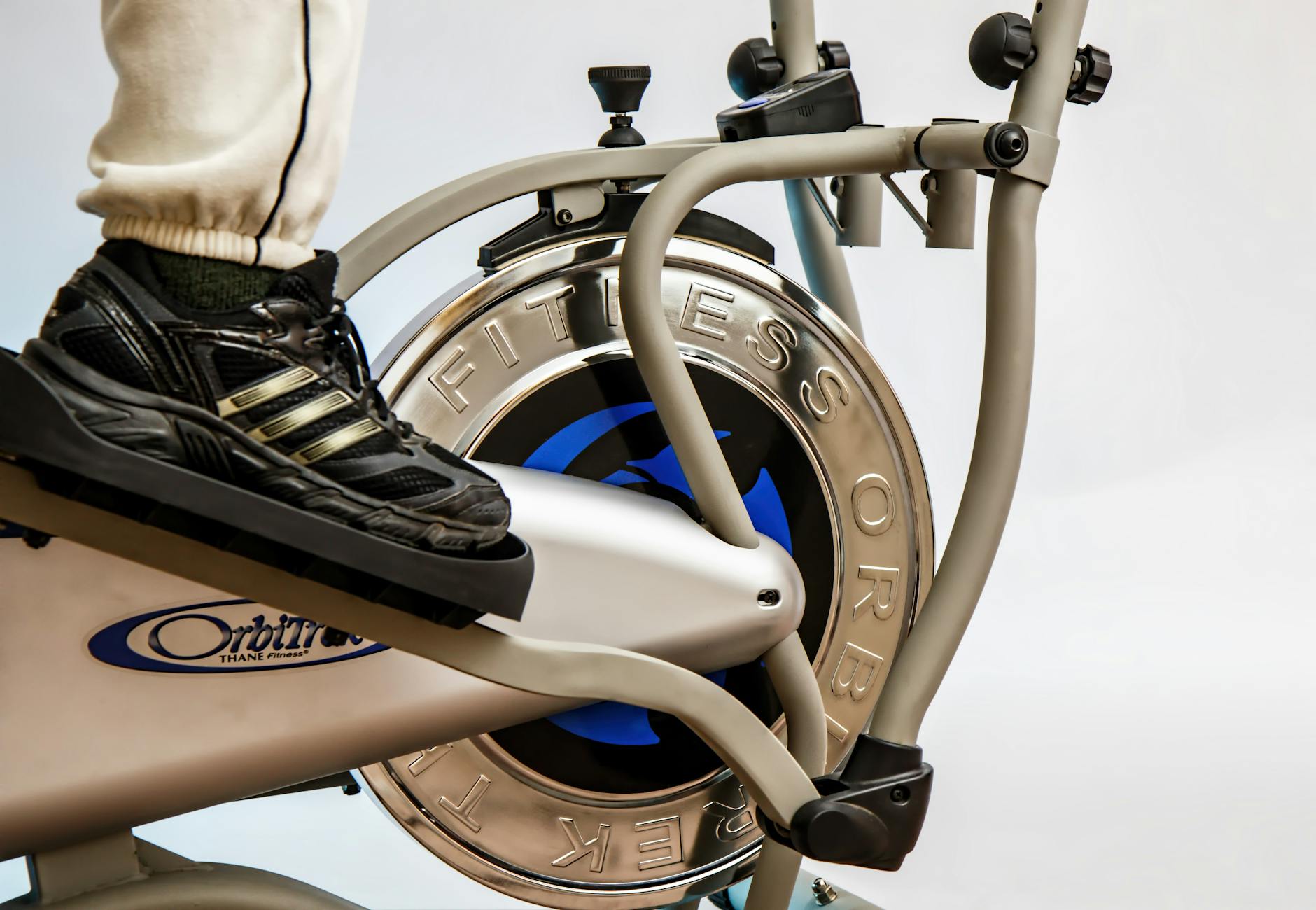
Cycling, swimming, and rowing offer similar aerobic benefits while being gentler on joints. Resistance training, while less directly aerobic, supports brain health through metabolic regulation and may help older adults maintain muscle mass and balance, reducing fall risk and maintaining independence—which indirectly protects cognition by maintaining active engagement with the world. The practical tradeoff: high-intensity interval training might deliver aerobic benefits in less total time, but for most people aiming for dementia risk reduction, consistency matters more than intensity. Walking for 30 minutes most days of the week probably delivers more cognitive protection than sporadic intense workouts that lead to burnout or injury. This is an important distinction: the research shows that sustained, moderate activity produces the largest population-level risk reductions, not peak performance.
Age and Intensity—When Less Still Delivers Results
One of the most reassuring findings from recent research is that age doesn’t create a cutoff point where exercise stops protecting the brain. The Framingham study found that high physical activity in people ages 65-88 still produced a 41 percent dementia risk reduction—essentially identical to the midlife advantage. Importantly, the research also noted that even low-intensity physical activity appeared beneficial for brain health in older adults, meaning someone with arthritis, heart disease, or general frailty isn’t excluded from cognitive protection. This challenges the sometimes-heard assumption that older people should “take it easy” or that exercise becomes riskier with age. In reality, the risks of sedentary living—cognitive decline, muscle loss, fall risk, and metabolic dysfunction—typically outweigh the risks of age-appropriate physical activity.
A frail 78-year-old doing daily gentle walks and light resistance training is making one of the best possible investments in future brain health. The key is matching intensity and type to current fitness level, not avoiding movement altogether. However, there’s an important caveat for people with unmanaged medical conditions: someone with severe heart disease, uncontrolled high blood pressure, or recent joint surgery needs medical clearance before starting new exercise routines. This isn’t an argument against movement—it’s an argument for getting appropriate guidance so that exercise happens safely. Once cleared, even these individuals can typically achieve meaningful activity levels with proper modifications.

Gender, Genetics, and Individual Variation
The Framingham Heart Study population included both men and women, and the dementia-protective benefits of exercise appeared across both sexes, though some research has suggested that women may have slightly different thresholds for cardiovascular exercise benefits. The presence of apolipoprotein E4 (ApoE4), a genetic variant that increases dementia risk, appears to be modifiable by physical activity—meaning that even people with higher genetic risk can substantially lower their dementia risk through exercise.
This genetic dimension is important: someone with a family history of Alzheimer’s disease or with known ApoE4 status shouldn’t despair or assume they’re destined for cognitive decline. The Framingham findings suggest that exercise is one of the most powerful levers available to modify genetic risk. A 50-year-old with multiple family members affected by dementia who starts a consistent exercise program is potentially doing more for brain health than any medication they might take.
Building Lasting Habits and Staying Consistent
The research measurements reflect decades of accumulated physical activity, not sporadic bursts of exercise. This means the real-world challenge isn’t finding the perfect workout—it’s building a sustainable pattern that persists through career changes, illness, aging, and life circumstances. Someone who walks three times weekly for 30 years achieves more dementia protection than someone who trains intensely for three months then stops. This perspective reframes the goal: aim for what’s sustainable at your current life stage rather than chasing an idealized routine.
A parent of young children might exercise 30 minutes five days weekly through school-based walking groups and home videos. A working professional might incorporate 45-minute morning walks before work. A retired person might combine daily walks with a gym or community center class. The specifics matter less than consistency. As our understanding of dementia prevention deepens and new interventions emerge, the protective effects of sustained physical activity will likely remain foundational, making it one of the most robust insurance policies available against cognitive decline.
Conclusion
The Framingham Heart Study provides clear evidence that physical activity is among the most effective known methods for reducing dementia risk: high levels of activity can lower risk by 45 percent in midlife and 41 percent in late-life, while even modest activity like walking 3,800 steps daily delivers 25 percent protection. These aren’t marginal benefits—they rival pharmaceutical interventions and exceed what many other single interventions can achieve. The research also demolishes the idea that age limits exercise’s protective power; people in their 70s and 80s, even those managing health challenges or frailty, still experience substantial dementia risk reduction from regular physical activity.
The practical path forward is straightforward: consistency matters more than intensity, and starting now—whether in your 50s, 70s, or 80s—protects the brain. A sustainable walking routine, cycling, swimming, or strength training practiced regularly over months and years builds cumulative neuroprotection that science shows meaningfully lowers your risk of developing dementia. The research invites a simple shift in thinking: exercise isn’t a short-term health obligation or aesthetic goal. It’s one of your most powerful tools for protecting the cognitive abilities that let you remain independent, engaged, and yourself as you age.
You Might Also Like
- Why Mental Activity While Sitting May Lower Dementia Risk More Than Physical Exercise Alone
- The Brain Exercise That NIH Says Is More Effective Than Crossword Puzzles for Preventing Dementia
- The 4 Brain Training Activities That Actually Reduce Dementia Risk According to 3 Major Studies
For more, see NIH MedlinePlus — dementia.