Forbidden guide sits at the center of this dementia and brain health question.
Faces are fascinating. Some faces seem to grow more beautiful with time and experience, not just because of youth or flawless skin, but because of the stories they tell and the expressions they wear. This idea—that certain faces become more attractive as they “wear” emotions and life—feels almost like a secret, a forbidden guide to beauty that goes beyond surface looks.
When we talk about faces becoming more beautiful through wear, we’re really talking about how facial expressions shape our perception of someone’s character and charm. The muscles in our face—the ones that move when we smile, frown, or squint—create subtle changes that reveal who we are inside. These tiny movements can soften a face or add depth to it, making it feel alive and relatable.
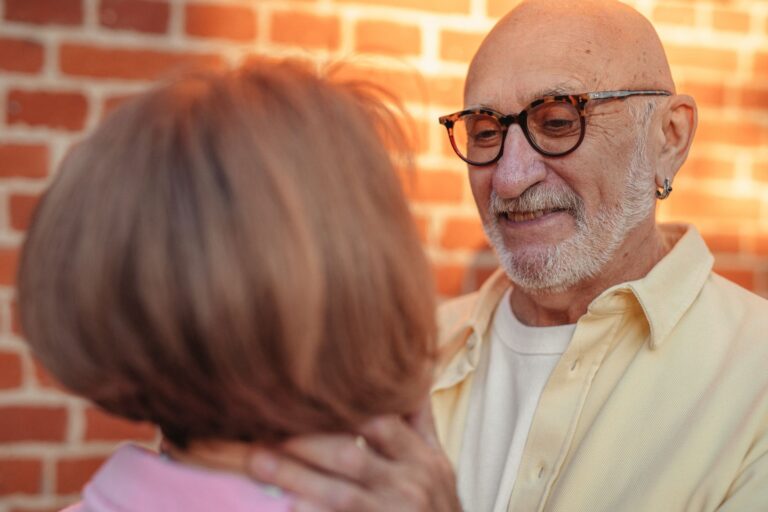
Think about laughter lines around the eyes or gentle creases near the mouth. These marks aren’t flaws; they’re proof of joy shared over years. When someone smiles genuinely—a movement involving muscles around their eyes as well as their mouth—it lights up their entire face in a way no makeup can replicate. This natural expression invites warmth and trust from others.
Even expressions tied to vulnerability can enhance beauty over time. A look of embarrassment might cause someone to avert their gaze or touch their face lightly—a gesture that shows humility rather than weakness. Such moments make people appear real and approachable rather than perfect statues frozen in place.
The way people hold their heads also matters for this kind of worn-in beauty. Slight tilts or turns change how light hits the contours of a face, highlighting different features at different times—sometimes revealing strength in jawlines or softness in cheekbones depending on mood.
In essence, these changes come from living fully: feeling happiness deeply enough to smile often; experiencing challenges enough for resilience lines to form; showing empathy through subtle facial cues like raised eyebrows or softened eyes.
This “forbidden” guide isn’t really forbidden at all—it’s just overlooked by those chasing flawless appearances without appreciating what true beauty means: authenticity expressed through emotion worn visibly on one’s face over time.
So next time you see an older friend whose wrinkles seem like badges earned from laughter-filled days—or meet someone whose shy glance makes them glow differently—you’re witnessing this quiet magic: faces growing lovelier not despite wear but because of it.
For more, see Alzheimer’s Association.