The drug your neighbor is buying online might be a counterfeit pill laced with fentanyl, a knockoff weight-loss injection with dangerously inconsistent dosing, or a gas station supplement that acts like heroin on the brain. These are not fringe substances moving through dark web channels. They are being purchased through websites that look legitimate, advertised on social media, and delivered to front doors in ordinary packaging. In 2025, the DEA seized more than 47 million fentanyl-laced counterfeit pills and nearly 10,000 pounds of fentanyl powder, equivalent to more than 369 million lethal doses. The pills are pressed to look identical to familiar prescriptions like Percocet, Xanax, and oxycodone. Of approximately 35,000 active online pharmacies worldwide, roughly 95 to 96 percent are operating illegally, selling without licenses, prescriptions, or safety warnings.
For families caring for someone with dementia or cognitive decline, this is not an abstract public health warning. Older adults managing multiple prescriptions are particularly vulnerable to counterfeit medications sold at lower prices online. Caregivers stretched thin on time and money may encounter what appear to be affordable alternatives to expensive brand-name drugs. And the cognitive impairment that comes with dementia can make it harder for a person to distinguish a legitimate pharmacy from a fraudulent one. Nearly 1 in 4 Americans who have used online pharmacies reported encountering substandard, fake, or harmful medicines, according to the Partnership for Safe Medicines. This article covers the specific drugs and counterfeit medications flooding the online market right now, why they are particularly dangerous for older adults and people with neurological conditions, what the warning signs look like, and what practical steps families can take to protect themselves.
Table of Contents
- What Dangerous Drugs Are People Actually Buying Online Right Now?
- Why Counterfeit Medications Pose a Unique Threat to Dementia Patients and Older Adults
- Gas Station Heroin and the Opioid Crisis You Have Not Heard About
- How to Tell Whether an Online Pharmacy Is Legitimate
- The Supply Chain Problem That Makes All of This Worse
- What Caregivers Should Watch For in a Loved One’s Medications
- Where This Is Headed and What Needs to Change
- Conclusion
- Frequently Asked Questions
What Dangerous Drugs Are People Actually Buying Online Right Now?
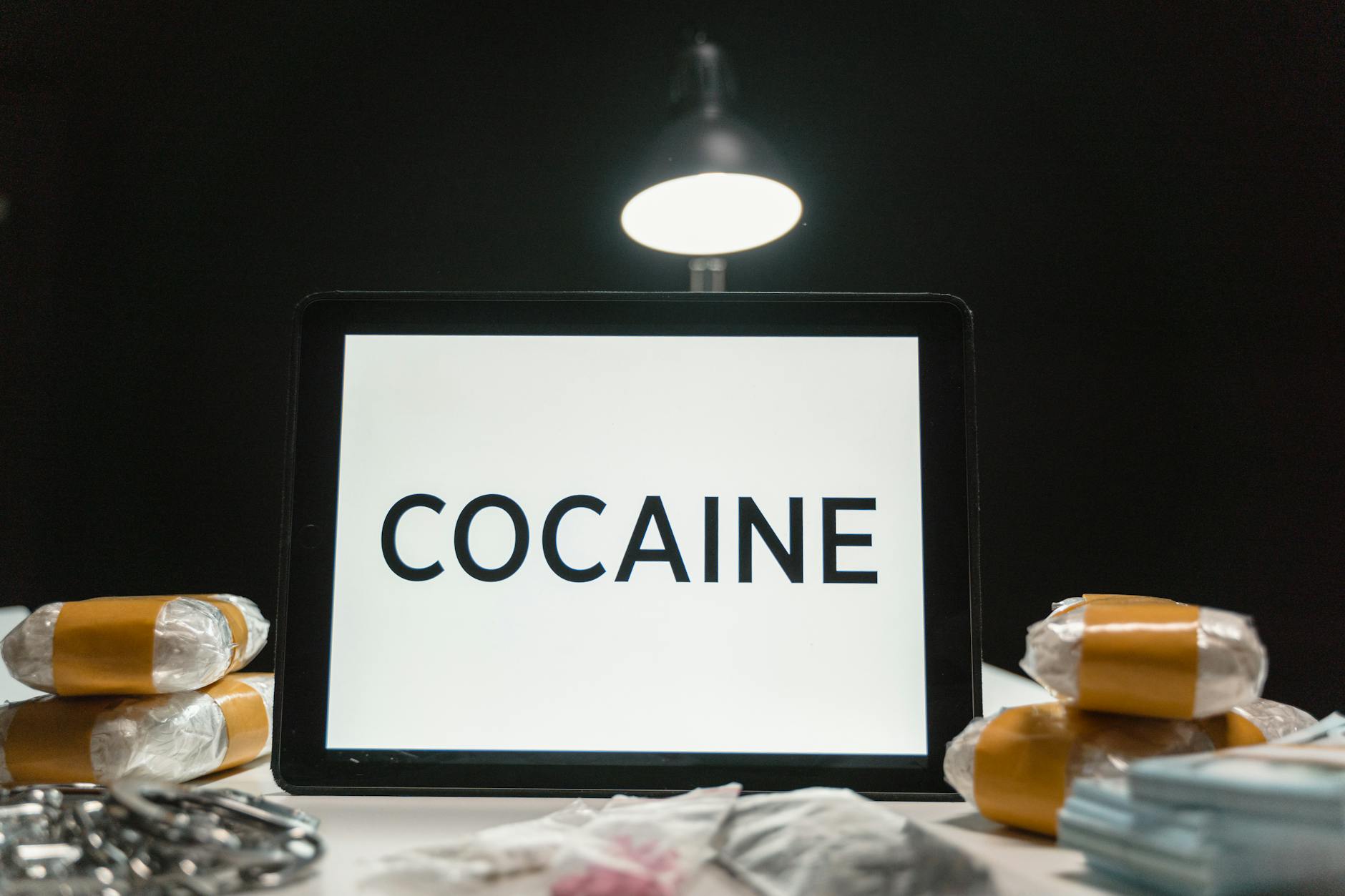
The most lethal category is counterfeit prescription pills containing fentanyl. These pills are manufactured to be visually indistinguishable from legitimate medications, but their contents are anything but. Increasingly, they also contain xylazine, a veterinary sedative sometimes called “Tranq.” In 2023, 30 percent of seized fentanyl powder contained xylazine, up from 23 percent in 2022, according to a DEA alert. What makes xylazine particularly frightening is that naloxone, the overdose reversal drug sold as Narcan, cannot reverse its effects. A person experiencing an overdose involving both fentanyl and xylazine may not respond to the standard emergency treatment that bystanders and first responders rely on. Then there are the counterfeit weight-loss drugs. The explosion in demand for semaglutide, the active ingredient in Ozempic, has created a parallel market of fakes. On December 5, 2025, the FDA announced the seizure of multiple batches of counterfeit Ozempic 1 mg injections that had entered the U.S.
drug supply chain. Earlier that year, in April, several hundred units of counterfeit Ozempic were seized separately. Lab analysis of illegally purchased semaglutide found purity levels of only 7 to 14 percent compared to an advertised 99 percent, and the measured semaglutide content exceeded labeled amounts by 29 to 39 percent, creating a real risk of dangerous overdoses. The FBI’s Internet Crime Complaint Center issued a public service announcement in February 2025 about fraudulent compounding practices selling fake weight-loss drugs claiming to contain semaglutide. The third major category is tianeptine, marketed under brand names like ZaZa and Tianaa and sold legally in gas stations, smoke shops, and online as a dietary supplement. At high doses, tianeptine produces opioid-like euphoria, and it has earned the nickname “gas station heroin.” On May 8, 2025, FDA Commissioner Dr. Martin A. Makary issued an urgent warning about the growing trend, citing severe harm including slowed or stopped breathing, coma, and death, especially among young people. Tianeptine is not FDA-approved for any medical use and is not a controlled substance at the federal level, which is precisely why it remains so widely available.
Why Counterfeit Medications Pose a Unique Threat to Dementia Patients and Older Adults
Older adults take more prescription medications than any other age group, and the complexity of managing multiple drugs creates openings for counterfeit products to slip in. A caregiver ordering a refill from an unfamiliar online source may not realize the pharmacy is unlicensed. A person in the early stages of cognitive decline might reorder medications from a website they found through a social media ad without recognizing the red flags. The consequences of receiving a counterfeit drug in place of a legitimate one can be catastrophic, not because of a dramatic overdose, but because the real medication simply is not working. Blood pressure goes unmanaged. Seizure thresholds drop. Behavioral symptoms of dementia worsen because the prescribed antipsychotic or mood stabilizer contains little or none of the actual active ingredient. However, the danger is not limited to pills that contain the wrong substance.
Even counterfeit drugs that contain some amount of the correct active ingredient can be harmful if the dosing is inconsistent. The lab analysis of counterfeit semaglutide is instructive here. When a drug contains 29 to 39 percent more active ingredient than the label states, the result is not a slightly stronger effect. For a medication like semaglutide, which affects blood sugar and appetite, an unintended overdose can cause severe nausea, vomiting, pancreatitis, or dangerous drops in blood glucose. For an older adult with diabetes who is also managing dementia, that kind of medical crisis can cascade quickly into hospitalization, delirium, and further cognitive decline. It is also worth noting that the FDA had received 605 adverse event reports for compounded semaglutide and 545 for compounded tirzepatide as of July 31, 2025, with some requiring hospitalization. These are not all cases of deliberate fraud. Some involve compounding pharmacies that may have had good intentions but lacked the quality controls to produce safe, consistent doses. The line between a legitimate compounder cutting corners and a fraudulent operation selling sugar water is not always obvious to the consumer.
Gas Station Heroin and the Opioid Crisis You Have Not Heard About
Tianeptine deserves its own discussion because of how deceptively available it is. Unlike fentanyl-laced pills, which most people understand to be illicit, tianeptine is sold openly. It sits on shelves next to energy drinks and CBD gummies. It is marketed as a mood enhancer or cognitive supplement. For a person researching brain health supplements online, tianeptine products can appear alongside legitimate nootropics with no obvious indication that they carry the risk of opioid-like dependence and life-threatening withdrawal. At least 13 states have banned tianeptine as of 2025, with Delaware signing House Bill 21 into law in July 2025. But in states where it remains legal, it is trivially easy to buy.
The FDA’s warning cited severe outcomes including respiratory depression, coma, and death. Withdrawal from tianeptine can produce symptoms nearly identical to opioid withdrawal, including agitation, anxiety, nausea, and muscle pain. For an older adult or a person with dementia who begins taking tianeptine without medical supervision, the withdrawal process alone can be medically dangerous and deeply confusing for both the patient and their caregivers. The federal government has so far declined to classify tianeptine as a controlled substance, which means it falls into a regulatory gap. It is not approved as a drug, so the FDA has limited enforcement tools. It is sold as a supplement, but it does not meet the legal definition of a dietary ingredient. This ambiguity is exactly what allows it to proliferate online and in retail settings where no one is checking IDs, asking about medical histories, or warning about interactions with other medications.
How to Tell Whether an Online Pharmacy Is Legitimate
The single most reliable check is whether an online pharmacy is verified through the National Association of Boards of Pharmacy’s VIPPS program or listed on their safe pharmacy website. Legitimate online pharmacies require a valid prescription from a licensed prescriber, display a physical U.S. address, and have a licensed pharmacist available to answer questions. If a website allows you to purchase prescription medication without a prescription, it is not legitimate. Full stop. Price is another signal worth paying attention to, but it cuts both ways. Dramatically lower prices are an obvious warning sign, but counterfeit operations have grown sophisticated enough to price their products only slightly below market rate to avoid suspicion. The Dutch illegal online pharmacy Funcaps.nl earned 42 million euros over five years while being linked to at least 27 confirmed deaths, with an additional 18 or more suspicious deaths under investigation.
Prosecutors described the confirmed cases as “the tip of the iceberg.” Another Dutch site, Slaappillen.net, sold counterfeit oxycodone containing nitazenes, synthetic opioids far more potent than fentanyl, killing at least 13 people as reported in December 2025. These were not crude operations. They had professional-looking websites and reliable shipping. For caregivers, the practical tradeoff is between convenience and safety. Mail-order pharmacies affiliated with major insurance plans and verified retail chains are generally safe. Independent international pharmacies offering steep discounts on brand-name drugs are where the risk concentrates. The time saved by ordering online is not worth the risk if the source cannot be verified. When in doubt, use the pharmacy your loved one’s physician or insurance plan recommends.
The Supply Chain Problem That Makes All of This Worse
Even people who never buy drugs from questionable websites are not entirely safe. Counterfeit medications have infiltrated the legitimate U.S. drug supply chain. The FDA’s December 2025 seizure of counterfeit Ozempic was not from a back-alley website. Those counterfeits were found within the U.S. supply chain itself, meaning they had passed through distributors that should have caught them. A federal grand jury in Ohio indicted four Chinese pharmaceutical companies and 25 individuals for supplying U.S. drug dealers with substances like protonitazene, metonitazene, medetomidine, and xylazine to boost fentanyl potency. The supply chains feeding counterfeit drugs into the U.S. are international, well-funded, and increasingly difficult to disrupt.
In 2025, Interpol’s Operation Pangea XVI shut down over 13,000 websites and social media pages selling counterfeit drugs. That sounds like progress until you consider that the operation has been running annually for years and the problem keeps growing. The economics are simply too favorable for criminal enterprises. Manufacturing counterfeit pills costs a fraction of what legitimate pharmaceutical production requires, and the markup is enormous. As long as demand exists for cheaper medications, the supply of counterfeits will follow. This is not a problem that individual vigilance alone can solve, but individual vigilance is still the most effective tool available to families right now. Verify every pharmacy. Inspect every medication. Report anything that looks wrong. The FDA’s MedWatch program accepts reports of suspected counterfeit drugs, and these reports do lead to investigations and seizures.

What Caregivers Should Watch For in a Loved One’s Medications
If a medication looks slightly different from the last refill, that is worth investigating. Changes in pill color, size, shape, imprint, or packaging can indicate a counterfeit. Legitimate generic manufacturers do produce pills that look different from brand-name versions, so a visual change alone is not proof of counterfeiting. But any change should prompt a call to the dispensing pharmacy to confirm the manufacturer.
Behavioral changes can also be a signal. If a person with dementia who has been stable on a medication regimen suddenly becomes more agitated, confused, or sedated without any other explanation, it is worth considering whether their medications are what they are supposed to be. This is especially true if the medications were recently refilled from a new source. Caregivers should keep a log of pharmacy sources, lot numbers when available, and any changes in the patient’s condition that coincide with refills.
Where This Is Headed and What Needs to Change
The regulatory landscape is slowly shifting. More states are banning tianeptine. The FDA is increasing scrutiny of compounding pharmacies. Law enforcement is targeting the international supply chains that produce precursor chemicals for fentanyl and nitazenes.
But the fundamental problem remains: the internet makes it trivially easy to sell dangerous substances to anyone with a credit card, and enforcement cannot keep pace with the scale of the market. For families dealing with dementia care, the most important shift may be technological. Drug-checking services, pharmacy verification tools, and even at-home test strips for fentanyl are becoming more accessible. None of these are perfect solutions, but they represent layers of protection that did not exist five years ago. The goal is not to eliminate all risk but to make it harder for a counterfeit pill or a fraudulent pharmacy to reach a vulnerable person without anyone noticing.
Conclusion
The drugs people are buying online, whether counterfeit prescriptions laced with fentanyl and xylazine, fake Ozempic with wildly inconsistent dosing, or tianeptine sold as a harmless supplement, represent a serious and growing threat. For families caring for someone with dementia or other cognitive conditions, the stakes are even higher. Older adults on multiple medications are prime targets for counterfeit drug sellers, and cognitive impairment can make it harder to recognize fraud. The numbers are stark: 95 to 96 percent of online pharmacies worldwide are operating illegally, and nearly 1 in 4 Americans who have used online pharmacies have encountered substandard or harmful medicines. The practical steps are straightforward even if they require effort. Use only verified pharmacies.
Never purchase prescription medications without a valid prescription. Inspect medications for any changes at each refill. Keep records of pharmacy sources and lot numbers. Report suspected counterfeits to the FDA. Talk to your loved one’s physician and pharmacist about where medications are being sourced. These are not glamorous measures, but they are the difference between a medication that helps and one that harms. The drug your neighbor is buying online is not always what it claims to be, and in too many cases, that difference is fatal.
Frequently Asked Questions
How can I check if an online pharmacy is safe?
Use the National Association of Boards of Pharmacy’s website to verify whether a pharmacy is VIPPS-accredited. Any pharmacy that sells prescription drugs without requiring a prescription is operating illegally, regardless of how professional its website appears.
Is it safe to buy medications from Canadian or international online pharmacies?
Not necessarily. While some Canadian pharmacies are legitimate, many websites claiming to be based in Canada are actually operating from other countries with no pharmaceutical oversight. The FDA does not generally allow importation of prescription drugs from foreign sources, and there is no way to guarantee the safety or authenticity of medications purchased this way.
What is tianeptine and why is it dangerous?
Tianeptine is a substance sold as a dietary supplement in gas stations, smoke shops, and online. At high doses it produces opioid-like effects and can cause respiratory depression, coma, and death. It is not FDA-approved for any medical use. At least 13 states have banned it as of 2025, but it remains legal and easily accessible in many others.
What should I do if I suspect a medication is counterfeit?
Stop taking or administering the medication immediately. Contact the dispensing pharmacy to verify the product. Report it to the FDA’s MedWatch program. If someone has taken a suspected counterfeit medication and is experiencing adverse effects, call 911 or Poison Control at 1-800-222-1222.
Are weight-loss drugs like Ozempic safe to buy online?
Only if purchased from a verified pharmacy with a valid prescription. The FDA has seized multiple batches of counterfeit Ozempic from the U.S. supply chain in 2025. Lab testing of illegally purchased semaglutide found purity as low as 7 percent and dosing that exceeded labeled amounts by up to 39 percent. Compounded versions carry their own risks, with the FDA reporting over 600 adverse events for compounded semaglutide as of mid-2025.
Can fentanyl test strips detect all dangerous substances in counterfeit pills?
No. Fentanyl test strips can detect the presence of fentanyl but will not detect xylazine, nitazenes, or other dangerous adulterants. They are a useful layer of protection but not a comprehensive safety check. The only way to be confident in a medication’s contents is to obtain it from a verified, licensed pharmacy.