Several drugs and experimental therapies now exist that make chemotherapy dramatically less toxic to healthy cells, and the most striking breakthrough comes from Northwestern University, where researchers redesigned a common chemotherapy drug using spherical nucleic acids that destroyed leukemia cells up to 20,000 times more effectively than the standard version — all without detectable side effects in healthy tissue. This is not a marginal improvement or a laboratory curiosity. It represents a fundamental shift in how oncologists may soon deliver chemotherapy: targeting cancer with surgical precision while leaving the rest of the body alone. Beyond the Northwestern discovery, researchers across the globe are attacking this problem from multiple angles. A plant compound called rocaglamide, identified by the German Cancer Research Center, acts as a selective shield for healthy cells during chemotherapy. The National Cancer Institute has developed DRP-104, a drug built with molecular “on” and “off” switches that activate only in tumor environments.
King’s College London created a companion drug that breaks down tumors’ resistance to chemotherapy. And a separate team found that transplanting healthy mitochondria into tumors can reverse harmful tumor metabolism and boost immune response without added toxicity. This article walks through each of these approaches, what they mean for patients, and where the science stands today. For those navigating cancer treatment — whether personally or as a caregiver for someone with dementia or another chronic condition — these developments matter enormously. Chemotherapy’s collateral damage to the brain, gut, and immune system has long been one of the hardest parts of cancer care, and for older adults already managing cognitive decline, even mild neurotoxicity can accelerate deterioration. Anything that reduces that burden changes the calculation.
Table of Contents
- How Do Spherical Nucleic Acids Make Chemotherapy Less Toxic to Healthy Cells?
- Rocaglamide — A Plant Compound That Shields Normal Tissue During Chemotherapy
- DRP-104 and the Concept of Molecular On-Off Switches
- Companion Drugs That Break Down Tumor Resistance
- Mitochondrial Transplant Therapy and Its Limitations
- Why Reduced Chemo Toxicity Matters for Brain Health and Dementia Caregiving
- Where These Therapies Stand and What Comes Next
- Conclusion
- Frequently Asked Questions
How Do Spherical Nucleic Acids Make Chemotherapy Less Toxic to Healthy Cells?
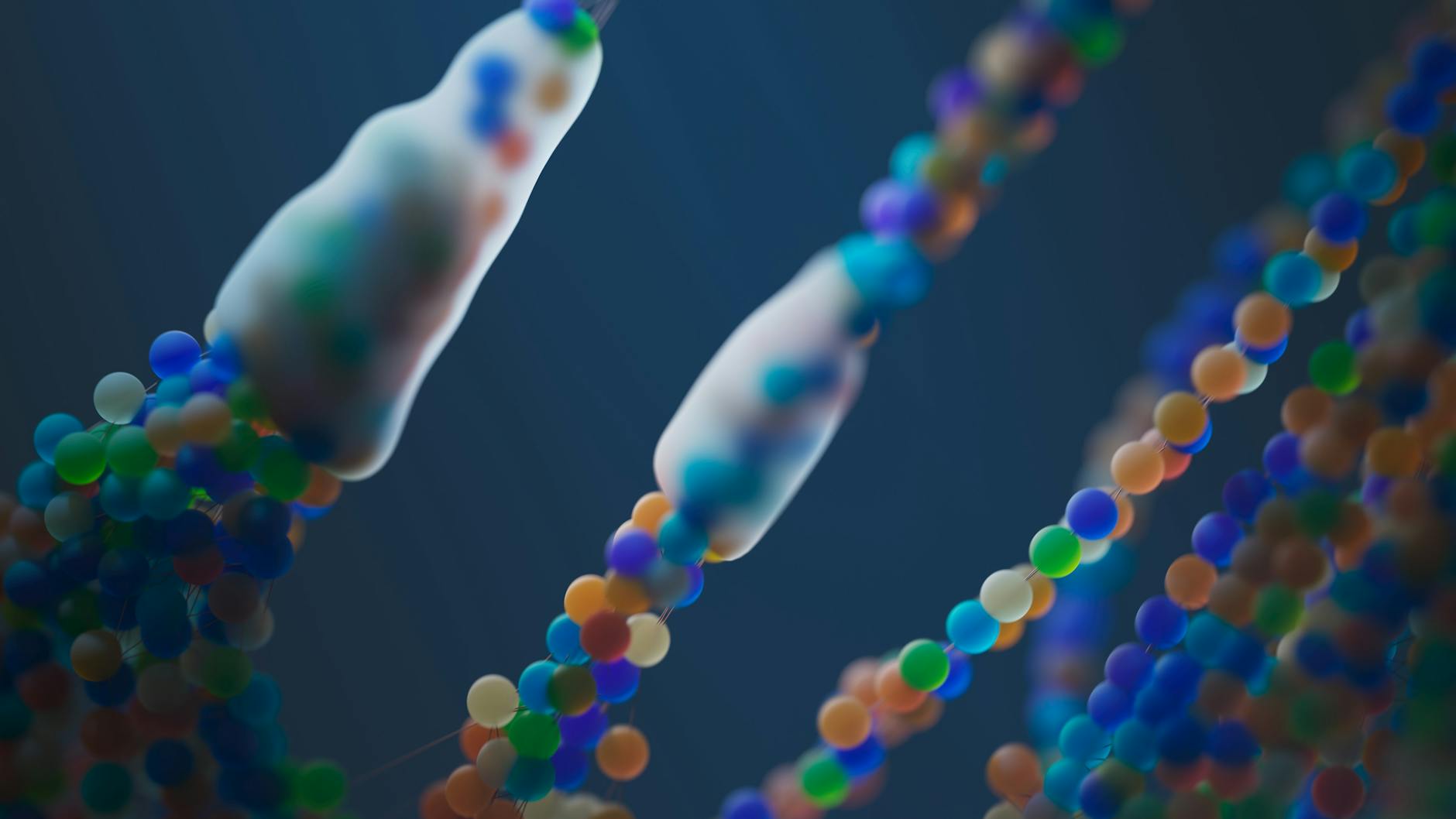
The Northwestern University team, publishing their results in late 2025, took a widely used chemotherapy drug and embedded it into spherical nucleic acids — tiny nanostructures where DNA strands coat a microscopic sphere, with the drug woven directly into those strands. The result was a therapy that entered leukemia cells 12.5 times more efficiently than the conventional formulation. Once inside, it destroyed cancer cells up to 20,000 times more effectively and slowed cancer progression 59-fold. The key detail: healthy tissues showed no detectable damage. The mechanism behind this selectivity is what makes it so promising. Spherical nucleic acids preferentially seek out myeloid cells, the specific white blood cells involved in acute myeloid leukemia. Instead of flooding the entire bloodstream with a toxic payload and hoping enough reaches the tumor, the SNA-based drug delivers a concentrated, focused dose exactly where it is needed.
Think of the difference between carpet-bombing a city to hit one building versus walking through the front door. The drug’s architecture does the targeting work that traditional chemotherapy simply cannot. There is, however, an important caveat. This therapy was tested in animal models with acute myeloid leukemia, a fast-growing blood cancer. Whether the same approach translates to solid tumors — breast, lung, colon — remains an open question. Blood cancers are inherently more accessible to circulating drugs than solid masses surrounded by dense tissue and abnormal blood vessels. The science is genuinely exciting, but anyone reading headlines about a 20,000-fold improvement should understand that human clinical trials will be the real proving ground, and those take years.

Rocaglamide — A Plant Compound That Shields Normal Tissue During Chemotherapy
Scientists at the German Cancer Research Center took a completely different approach to the toxicity problem. Rather than redesigning the chemotherapy drug itself, they found a way to protect healthy cells from its effects. The compound is rocaglamide, derived from a plant, and it works by preventing healthy cells from producing the p53 protein — the molecular trigger that causes cells to self-destruct when they encounter chemotherapy agents. Here is why this matters: p53 is sometimes called the “guardian of the genome” because it tells damaged cells to die before they can become cancerous. But during chemotherapy, p53 also tells perfectly healthy cells to die, which is a major source of side effects like immune suppression, hair loss, and gut damage. Rocaglamide blocks that signal in normal tissue.
The elegant part is that roughly half of all cancers already have absent or defective p53, meaning rocaglamide offers those cancer cells no protection whatsoever. It shields the healthy tissue while leaving the tumor fully exposed to the chemotherapy drug. However, this selectivity has a hard boundary. In cancers where p53 is still functional — and that is roughly the other half — rocaglamide could theoretically protect tumor cells too. This means the compound is not a universal solution. oncologists would need to confirm a patient’s tumor p53 status before adding rocaglamide to a treatment regimen. If you or a loved one is exploring this avenue, the first question for the medical team would be whether the specific cancer type has defective p53, because that determines whether rocaglamide is a viable option or a potential liability.
DRP-104 and the Concept of Molecular On-Off Switches
One of the most inventive approaches to reducing chemotherapy toxicity comes from the National Cancer Institute, where researchers essentially built a drug with a built-in GPS system. DRP-104 is a modified chemotherapy agent that includes molecular “on” and “off” switches. The “on” switch is triggered by enzymes found abundantly in tumors but not in normal tissue. The “off” switch is activated by molecules concentrated in the gastrointestinal tract. The result, demonstrated in mice, was that DRP-104 delivered 11 times more cancer-killing compound to tumor cells than to gut cells. This specificity matters because gastrointestinal toxicity is one of chemotherapy’s most common and debilitating side effects.
Nausea, vomiting, diarrhea, mouth sores, and the inability to eat properly — these are the symptoms that cause patients to reduce doses, skip treatments, or abandon chemotherapy altogether. For elderly patients, particularly those with dementia who may already struggle with nutrition and hydration, GI side effects can cascade into dehydration, confusion, falls, and hospitalization. A drug that spares the gut while still attacking the tumor addresses one of the most consequential quality-of-life problems in cancer care. The DRP-104 approach is a proof of concept for a broader idea: that future chemotherapy drugs can be engineered with tissue-specific activation and deactivation. Imagine a drug that turns on only inside a brain tumor and turns off when it encounters heart tissue. That specificity does not exist yet, but DRP-104 demonstrates that the underlying chemistry works. The limitation, as with many of these advances, is the gap between mouse models and human patients, where tumor microenvironments are more variable and drug metabolism is more complex.
Companion Drugs That Break Down Tumor Resistance
King’s College London, working with Cancer Research UK, published results in November 2025 on a companion drug called KCL-HO-1i that takes yet another angle on the toxicity problem. Rather than making chemotherapy gentler on healthy cells, this drug makes chemotherapy more effective against resistant tumors — which indirectly reduces toxicity by allowing lower doses or fewer treatment cycles to achieve the same result. KCL-HO-1i works by breaking down the immune barriers that tumors build to resist chemotherapy. Many cancers develop resistance over time, forcing oncologists to escalate doses, switch to harsher drug combinations, or add more treatment cycles. Each escalation increases the toxic burden on the patient’s body.
If a companion drug can strip away tumor resistance and make the original chemotherapy effective again, patients may need less total drug exposure to achieve remission. Less drug exposure means less damage to the brain, heart, kidneys, and immune system. The tradeoff with companion drug strategies is complexity. Adding another medication to a chemotherapy regimen introduces its own potential for drug interactions, side effects, and cost. For older adults already managing multiple prescriptions — blood pressure medications, cholinesterase inhibitors for dementia, blood thinners — every additional drug increases the risk of harmful interactions. The promise of KCL-HO-1i is real, but its practical value will depend on whether it adds meaningful benefit without introducing new complications for patients who are already medically fragile.
Mitochondrial Transplant Therapy and Its Limitations
In August 2025, researchers published findings showing that transplanting healthy mitochondria directly into tumors could both boost the immune system’s ability to fight cancer and make chemotherapy far more effective. When combined with cisplatin, a standard chemotherapy drug, mitochondrial transplantation reversed harmful tumor metabolism and empowered immune cells to mount a stronger attack — all without added toxicity to healthy tissue. This approach is conceptually fascinating because it reframes the problem. Instead of modifying the chemotherapy drug, you modify the tumor environment to make it more vulnerable. Tumors often reprogram their internal metabolism to create conditions hostile to immune cells and resistant to treatment. By introducing healthy mitochondria, researchers essentially sabotaged that metabolic fortress from within.
The immune system gained a foothold, and the chemotherapy drug worked better at standard doses. The limitation here is delivery. Getting healthy mitochondria into a tumor is not as simple as injecting a drug into the bloodstream. The transplant process is experimental, and scaling it for clinical use — especially for tumors deep in the body or in the brain — presents significant technical challenges. There is also the question of sourcing: whose mitochondria are used, how they are prepared, and whether the patient’s immune system might reject them. This is a therapy in its earliest stages, and patients should be cautious about any clinic that claims to offer it outside of a formal research trial.
Why Reduced Chemo Toxicity Matters for Brain Health and Dementia Caregiving
Chemotherapy-related cognitive impairment, commonly called “chemo brain,” is well documented and can include memory problems, difficulty concentrating, slower processing speed, and confusion. For someone already living with mild cognitive impairment or early-stage dementia, these effects can be devastating — not just uncomfortable, but functionally disabling. A person who was managing independently with mild memory loss may, after a round of traditional chemotherapy, lose the ability to manage medications, recognize family members, or navigate their home safely.
Every advance that reduces chemotherapy’s impact on healthy brain tissue directly benefits this population. For caregivers making treatment decisions on behalf of someone with dementia, the question is rarely just “will this cure the cancer?” It is “will the treatment leave them with a quality of life worth preserving?” Targeted therapies like the ones described in this article do not eliminate that dilemma, but they shift the odds meaningfully. A chemotherapy regimen that destroys cancer without destroying cognition is not a luxury — for dementia patients, it may be the difference between continuing to live at home and requiring institutional care.
Where These Therapies Stand and What Comes Next
None of these five approaches are available as standard treatments today. The spherical nucleic acid therapy, rocaglamide, DRP-104, KCL-HO-1i, and mitochondrial transplantation are all in various stages of preclinical or early clinical development. The path from promising animal studies to approved human therapy typically takes five to fifteen years and involves substantial attrition — many therapies that work in mice fail in people. That is not a reason for pessimism, but it is a reason for patience and realistic expectations.
What is genuinely new is the convergence. Five years ago, reducing chemotherapy toxicity was a single-track research problem. Today, scientists are pursuing it through nanostructure redesign, protective compounds, molecular switching, companion drugs, and metabolic reprogramming simultaneously. The likelihood that at least one of these approaches reaches patients in the next decade is substantially higher than for any single therapy alone. For families currently navigating cancer treatment alongside dementia care, the most practical step is to ask the oncology team about clinical trials — not as a last resort, but as a way to access these newer, potentially less toxic approaches before they become standard.
Conclusion
The era of chemotherapy as an indiscriminate poison is ending, though it has not ended yet. Spherical nucleic acids from Northwestern delivered a 20,000-fold improvement in cancer cell destruction without detectable harm to healthy tissue. Rocaglamide selectively shields normal cells by blocking the p53 death signal that chemotherapy exploits. DRP-104 uses molecular switches to activate in tumors and deactivate in the gut. KCL-HO-1i breaks down tumor resistance so lower chemotherapy doses can work.
Mitochondrial transplantation rewires tumor metabolism to make standard drugs more effective. Each approach has limitations, but together they represent a genuine shift toward smarter, less harmful cancer treatment. For anyone caring for a loved one with dementia who also faces a cancer diagnosis, these advances are worth tracking. Ask the oncology team about p53 status, about clinical trials for targeted delivery systems, and about any options that specifically reduce neurotoxicity. The goal is not just survival — it is survival with enough cognitive function and quality of life to make the treatment worthwhile. That is a conversation worth having now, even before these therapies are widely available, because clinical trials are the bridge between promising science and the patients who need it most.
Frequently Asked Questions
Are any of these less-toxic chemotherapy approaches available to patients right now?
None are currently standard-of-care treatments. They are in preclinical or early clinical development stages. However, some may be accessible through clinical trials. Ask your oncologist whether any relevant trials are enrolling in your area.
Does “chemo brain” get worse for people who already have dementia?
Yes, chemotherapy-related cognitive impairment can compound existing cognitive decline. Patients with mild cognitive impairment or early dementia are at higher risk of significant functional loss after traditional chemotherapy, which is why less toxic approaches are particularly important for this population.
How does rocaglamide know to protect healthy cells but not cancer cells?
Rocaglamide blocks production of the p53 protein, which triggers cell death in healthy cells exposed to chemotherapy. Since roughly half of all cancers have defective or absent p53, those cancer cells gain no protection from rocaglamide. However, it would not be appropriate for cancers where p53 is still functional.
What is the difference between redesigning the drug itself versus using a companion drug?
Redesigning the drug, as with spherical nucleic acids or DRP-104, changes how the chemotherapy agent reaches and enters cells. A companion drug like KCL-HO-1i does not alter the chemotherapy itself but changes the tumor environment to make existing drugs more effective. Both reduce toxicity, but through different mechanisms — one by improving targeting, the other by reducing the total amount of chemotherapy needed.
Should families ask about these treatments during oncology consultations?
Absolutely. Even though these therapies are not standard yet, mentioning them signals to the oncology team that reducing toxicity — especially cognitive toxicity — is a priority. This can influence decisions about drug selection, dosing, and clinical trial eligibility.