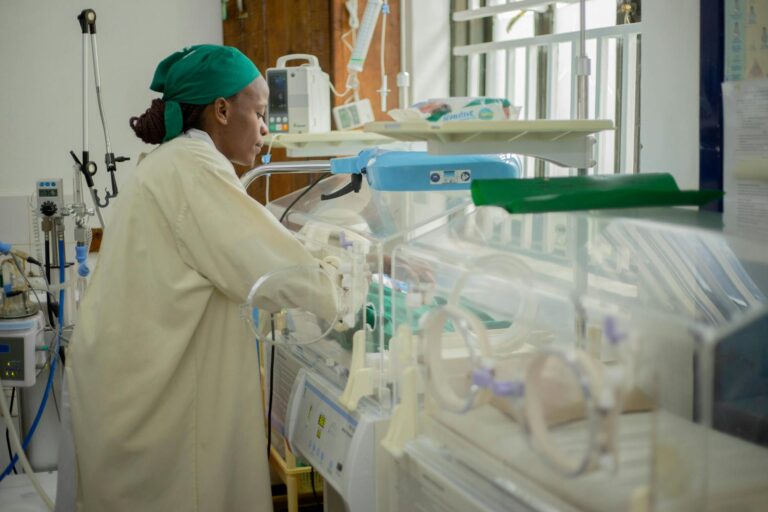
The drug that keeps organ transplants working for decades is tacrolimus, a calcineurin inhibitor that transplant recipients take every single day for the rest of their lives. Discovered in 1987 by a Japanese research team led by pharmacologist Tohru Kino, tacrolimus works by suppressing the immune system’s T-cell response so the body does not attack and destroy the transplanted organ. It is now prescribed in more than 85 percent of kidney transplant maintenance regimens and has become the backbone of post-transplant survival worldwide. In 2025 alone, the United States performed a record 49,064 organ transplants, and the vast majority of those patients walked out of the hospital with a tacrolimus prescription they will carry for life. Before tacrolimus, there was cyclosporine, the pioneering immunosuppressant isolated from a Norwegian soil fungus in 1971 that first proved a single drug could control organ rejection.
Together, these two calcineurin inhibitors transformed transplantation from an experimental gamble into a reliable medical procedure. Immunosuppression innovations over the decades have been linked with a 15-year increase in heart transplant graft survival over a 30-year study period. But these drugs come with serious tradeoffs, including kidney damage, elevated diabetes risk, and costs that can reach thousands of dollars per month. For readers on a dementia care and brain health site, these tradeoffs matter more than most people realize. Transplant recipients face cognitive side effects from long-term immunosuppression, and older adults considering organ donation or transplantation deserve a clear-eyed look at both the benefits and the burdens of lifelong medication. This article covers how calcineurin inhibitors work, the real costs patients face, known side effects that affect brain health, recent FDA approvals that have expanded access, and what the future of transplant immunosuppression looks like.
Table of Contents
- How Does the Drug That Keeps Organ Transplants Working Actually Prevent Rejection?
- The Origin Story Behind Transplant Immunosuppression and Why It Matters Today
- What Transplant Drugs Cost and Who Bears the Financial Burden
- Side Effects That Matter Most for Brain Health and Aging
- Survival Rates and What the Numbers Actually Tell Us
- The FDA’s Recent Expansion of Tacrolimus to Lung Transplants
- Where Transplant Immunosuppression Is Headed
- Conclusion
- Frequently Asked Questions
How Does the Drug That Keeps Organ Transplants Working Actually Prevent Rejection?
When a surgeon places a donor organ into a recipient’s body, the immune system recognizes it as foreign tissue and mobilizes T-cells to destroy it. Calcineurin inhibitors like tacrolimus and cyclosporine block this response by inhibiting calcineurin phosphatase, an enzyme that activates T-cells. Without that activation signal, the immune system’s attack is suppressed enough for the transplanted organ to survive and function. It is a precise form of immunological disarmament, not a total shutdown of the immune system but a targeted dampening of the rejection pathway. The difference between the two main calcineurin inhibitors is significant. Tacrolimus is approximately 100 times more potent than cyclosporine, and Cochrane reviews have found it substantially better at preventing rejection. This potency gap is why tacrolimus has largely replaced cyclosporine as the standard of care since receiving FDA approval in 1994.
However, higher potency does not always mean better outcomes for every patient. Some individuals tolerate cyclosporine with fewer metabolic side effects, which is why transplant teams still consider both options when designing maintenance regimens. The choice between the two is not automatic. It depends on the organ transplanted, the patient’s other health conditions, and how their body metabolizes each drug. For context, consider kidney transplantation, the most common solid organ transplant in the United States. Of the 27,573 kidney transplants performed in 2025, the overwhelming majority of recipients were started on tacrolimus-based regimens. These patients will have their blood levels monitored regularly, their dosages adjusted over months and years, and their kidney function watched carefully, because the very drug that saves their transplant can, over time, damage the kidneys it is meant to protect.
The Origin Story Behind Transplant Immunosuppression and Why It Matters Today
The history of these drugs is worth understanding because it explains both their power and their limitations. Cyclosporine was isolated in 1971 by researchers at Sandoz from a soil fungus called Tolypocladium inflatum, collected during a routine screening expedition in Norway. Immunologist Jean-François Borel discovered its immunosuppressant properties during antibiotic testing in the 1970s, an accidental finding that would earn him the Gairdner Award in 1986. The first successful use of cyclosporine in kidney transplant patients was reported in 1978 and 1979, and by 1982 to 1983, clinical trials demonstrated its clear superiority over the previous standard of azathioprine combined with steroids. Cyclosporine was the first single drug able to control organ rejection, and it turned transplantation from a high-risk experimental procedure into something approaching routine surgery. Before cyclosporine, many transplant recipients faced grim odds. Afterward, survival rates climbed steadily. But cyclosporine was not the final word.
When Tohru Kino’s team in Japan discovered tacrolimus in 1987, they found a drug that offered the same mechanism of action with far greater potency and, in many cases, better clinical outcomes. The FDA approved tacrolimus for liver transplantation in 1994, and it was later extended to kidney and other organ transplants. However, it is important not to romanticize this history. These drugs were developed decades ago, and the transplant field has been working with the same basic pharmacological approach for over 40 years. While outcomes have improved dramatically, the core challenge remains unchanged. Patients must take immunosuppressants for the rest of their lives, and those drugs carry cumulative toxicity that worsens over decades. For older adults, especially those with existing cognitive concerns or dementia risk factors, this is not a minor detail. It is the central tension of transplant medicine.
What Transplant Drugs Cost and Who Bears the Financial Burden
Cost is one of the least discussed but most consequential aspects of lifelong immunosuppression. Brand-name Prograf, the original tacrolimus formulation, costs approximately 570 dollars for 60 capsules at the 1 milligram dose, which translates to roughly 2,500 to 3,000 dollars per month for typical adult dosing. That is a staggering expense over a lifetime. A patient who receives a transplant at age 50 and lives to 80 could spend hundreds of thousands of dollars on a single medication. Generic tacrolimus has brought some relief since the original patent expired, reducing retail prices by approximately 60 to 70 percent.
Generic versions run about 120 dollars per month at retail, and with discount coupons, patients can find 60 capsules of the 1 milligram dose for as little as 21 dollars and 20 cents. But even at generic prices, the drug is just one piece of a much larger financial picture that includes regular blood work, clinic visits, and other medications. For families already managing dementia care costs, adding a transplant medication regimen can strain resources to the breaking point. The global organ transplant immunosuppressant drugs market was valued at 5.55 billion dollars in 2024 and is projected to reach 8.82 billion dollars by 2034. That growth reflects both the rising number of transplants and the reality that each new transplant creates a patient who will need these drugs indefinitely. More than 100,000 Americans are currently on the waiting list for an organ transplant, and each one who receives an organ joins the population of lifelong immunosuppressant users.
Side Effects That Matter Most for Brain Health and Aging
For readers focused on dementia care and brain health, the side effect profile of calcineurin inhibitors deserves close attention. The two most well-documented long-term risks are nephrotoxicity, meaning kidney damage caused by the drug itself, and an increased risk of developing diabetes. Both of these conditions have direct implications for brain health. Kidney damage from long-term tacrolimus use is a cruel irony. The drug that saves a transplanted kidney can gradually impair the patient’s own remaining kidney function or damage a transplanted kidney over years. Chronic kidney disease is independently associated with cognitive decline and increased dementia risk, creating a situation where the treatment that extends life through transplantation may simultaneously contribute to brain health deterioration.
Tacrolimus carries a higher diabetes risk than cyclosporine, and diabetes is one of the most well-established modifiable risk factors for Alzheimer’s disease and vascular dementia. A transplant recipient who develops drug-induced diabetes faces not only the metabolic consequences but also an elevated trajectory toward cognitive impairment. The tradeoff is not a reason to refuse transplantation. It is a reason to go in with open eyes. Transplant teams are increasingly aware of these downstream effects, and current trends include lower tacrolimus trough goals and steroid-free regimens designed to reduce metabolic side effects. For older adults or those with a family history of dementia, discussing these cognitive implications with the transplant team before surgery is not optional. It should be standard practice.
Survival Rates and What the Numbers Actually Tell Us
Transplant survival statistics are encouraging, but they require careful interpretation. Liver transplant patients now see 1-year survival rates of 86 percent, 3-year rates of 75 percent, and 5-year rates of 72 percent. Heart transplant graft survival has increased by 15 years over a 30-year study period, driven largely by improvements in immunosuppression protocols. These numbers represent genuine medical achievement. People who would have died are living for decades with functioning transplanted organs. But survival rate statistics can obscure the lived experience of those decades.
Surviving with a transplant is not the same as living without medical burden. Patients face daily medication schedules that cannot be missed, regular blood draws to monitor drug levels, ongoing risk of infection due to immune suppression, and the accumulated side effects of decades on powerful drugs. For patients who also develop cognitive decline, medication adherence becomes a critical vulnerability. A transplant recipient with early-stage dementia who forgets to take tacrolimus for several days risks acute rejection of an organ they have carried successfully for years. This is where transplant medicine intersects most urgently with dementia care. Caregivers managing a loved one’s transplant medications must understand that these are not drugs that can be skipped or adjusted without medical guidance. The margin for error is narrow, and the consequences of nonadherence are severe and potentially irreversible.

The FDA’s Recent Expansion of Tacrolimus to Lung Transplants
In a notable recent development, the FDA approved Prograf for preventing rejection in adult and pediatric lung transplant patients, the first such approval specifically for lung transplants. What makes this approval particularly significant is that it was based on real-world evidence rather than traditional randomized controlled trials. Tacrolimus had been used off-label in lung transplants for years, and the FDA recognized the accumulated data from actual clinical practice as sufficient to grant formal approval.
This matters because lung transplant recipients have historically faced some of the most challenging outcomes among solid organ transplants. Formal approval means more standardized dosing guidelines, better insurance coverage, and clearer protocols for managing these patients. It also reflects a broader shift in how the FDA evaluates drugs that have long track records of off-label use, a pragmatic approach that could accelerate approvals for other established medications in new transplant settings.
Where Transplant Immunosuppression Is Headed
The transplant field is not standing still. Current research trends point toward more individualized immunosuppression, moving away from one-size-fits-all protocols toward regimens tailored to each patient’s risk profile, genetics, and tolerance. Lower tacrolimus trough goals are becoming more common, aiming to find the minimum effective dose that prevents rejection while reducing long-term toxicity. Steroid-free regimens are gaining traction, and some centers are exploring dual calcineurin inhibitor-free therapies for select patients.
For the aging population, these developments are particularly promising. As the transplant recipient population ages and more patients survive long enough to face age-related cognitive decline, the intersection of transplant medicine and brain health will only become more important. The ideal future is one where immunosuppression is effective enough to protect the graft but gentle enough to preserve kidney function, metabolic health, and cognitive clarity over decades. We are not there yet, but the direction of travel is encouraging, and patients and caregivers should ask their transplant teams about newer, less toxic protocols at every follow-up visit.
Conclusion
Tacrolimus and cyclosporine, the calcineurin inhibitors that keep transplanted organs functioning for decades, represent one of modern medicine’s most consequential achievements. With nearly 50,000 organ transplants performed in the United States in 2025 alone, these drugs are sustaining more lives than ever before. But they are not without cost, both financial and physiological.
Long-term kidney damage, increased diabetes risk, and the cognitive implications of these side effects make lifelong immunosuppression a bargain that patients and caregivers must understand fully. For families navigating dementia care alongside transplant management, the stakes are especially high. Medication adherence is non-negotiable, side effect monitoring requires vigilance, and conversations with transplant teams about minimizing cognitive risk should happen early and often. The drugs that keep transplants working are remarkable, but they demand a level of ongoing attention and care that deserves honest acknowledgment rather than celebration alone.
Frequently Asked Questions
How long do transplant patients have to take immunosuppressant drugs?
Transplant recipients must take immunosuppressant drugs for the rest of their lives. Stopping or significantly reducing these medications without medical supervision risks acute organ rejection, even decades after the original transplant surgery.
What is the difference between tacrolimus and cyclosporine?
Both are calcineurin inhibitors that suppress T-cell immune responses, but tacrolimus is approximately 100 times more potent than cyclosporine and is substantially better at preventing rejection according to Cochrane reviews. Tacrolimus is now used in more than 85 percent of kidney transplant maintenance regimens, though cyclosporine may still be preferred for certain patients based on their side effect profiles.
How much does tacrolimus cost per month?
Brand-name Prograf runs approximately 2,500 to 3,000 dollars per month for typical adult dosing. Generic tacrolimus costs about 120 dollars per month at retail, and discount coupons can bring the price as low as 21 dollars and 20 cents for 60 capsules at the 1 milligram strength, a 60 to 70 percent reduction from brand-name pricing.
Can tacrolimus affect brain health or increase dementia risk?
Tacrolimus does not directly cause dementia, but its major long-term side effects, including kidney damage and increased diabetes risk, are both independently associated with cognitive decline and elevated dementia risk. Patients and caregivers should discuss these implications with their transplant teams, especially if there is a family history of cognitive impairment.
What happens if a transplant patient with dementia forgets to take their medication?
Missing doses of tacrolimus or cyclosporine can lead to acute organ rejection, which may be irreversible. For transplant recipients experiencing cognitive decline, establishing a reliable medication management system with caregiver oversight, pill organizers, and alarm reminders is critical. Any missed doses should be reported to the transplant team immediately.
How many organ transplants are performed in the United States each year?
In 2025, the United States performed 49,064 organ transplants, a record for the fifth consecutive year according to UNOS. Of these, 27,573 were kidney transplants alone, including 21,052 from deceased donors and 6,521 from living donors. Over 100,000 Americans remain on the transplant waiting list.