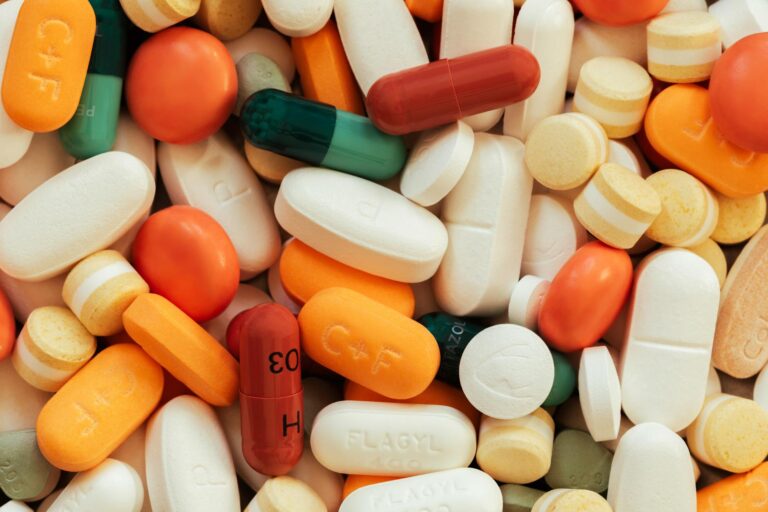
There is no single drug that triggers a false positive on a drug test. There are dozens. Common over-the-counter medications like ibuprofen, cold medicine containing dextromethorphan, and even allergy pills like Benadryl can cause a urine drug screen to flag positive for substances the person never consumed. For families managing dementia care, where medication regimens often include antipsychotics, antidepressants, and pain relievers, this is not an abstract pharmacology problem. It is a practical concern that can lead to confusion, misdiagnosis, and unnecessary distress during hospital admissions, pre-surgical screenings, or transitions between care facilities.
Research suggests that between 5 and 10 percent of all drug tests may produce false positives, while 10 to 15 percent may yield false negatives. The culprit is usually the immunoassay-based urine drug screen, the most commonly used rapid-screening method in hospitals and clinics. These tests work by detecting molecular structures that resemble targeted drugs, but many legitimate medications share enough structural similarity to trigger cross-reactivity. Amphetamine and methamphetamine false positives are the most commonly reported category across all medications, according to research published in the Mayo Clinic Proceedings. This article walks through the specific over-the-counter and prescription medications most likely to cause false positives, explains why people with dementia are especially vulnerable to these errors, and outlines what caregivers can do when a drug test result does not match reality.
Table of Contents
- Which Drugs Can Trigger a False Positive on a Drug Test?
- Why Dementia Patients Face a Higher Risk of False-Positive Drug Tests
- Food and Everyday Substances That Can Cause False Positives
- What to Do When a Drug Test Comes Back Positive
- The Limitations of Rapid Drug Screening in Clinical Settings
- How to Build a Medication Profile That Prevents Confusion
- The Case for Better Screening Protocols in Geriatric Care
- Conclusion
- Frequently Asked Questions
Which Drugs Can Trigger a False Positive on a Drug Test?
The list is longer than most people expect. Among over-the-counter medications, ibuprofen and naproxen — two of the most widely used NSAIDs — can trigger false positives for barbiturates, cannabinoids, and PCP. Dextromethorphan, the active cough suppressant in Robitussin and Delsym, can flag positive for opiates and PCP. Diphenhydramine, sold as Benadryl, can produce false positives for opiates, PCP, and methadone. Pseudoephedrine and ephedrine, found in Sudafed and many decongestants, are well-documented triggers for false-positive amphetamine results. Even brompheniramine, a common ingredient in cold and allergy formulations, can cause a test to read positive for amphetamines. On the prescription side, many medications frequently used in older adults are implicated.
Sertraline, better known as Zoloft, can cause false positives for benzodiazepines and LSD at doses exceeding 150 milligrams per day. Bupropion, marketed as Wellbutrin, and trazodone — both commonly prescribed for depression in older populations — can each produce false-positive amphetamine results. Venlafaxine, sold as Effexor, has been associated with false positives for PCP. Quetiapine, an antipsychotic frequently prescribed for agitation in dementia patients under the brand name Seroquel, can show up as methadone. Chlorpromazine, another antipsychotic, can read as amphetamines. Even verapamil, a blood pressure medication, and certain quinolone antibiotics like ofloxacin and gatifloxacin can trigger false positives for opiates. The takeaway is not that these medications are dangerous or should be avoided. It is that anyone taking them — and especially anyone managing a complex medication regimen — should be aware that a rapid drug screen may not tell the full story.
Why Dementia Patients Face a Higher Risk of False-Positive Drug Tests
People living with dementia are often prescribed several of the medications most likely to cause cross-reactivity on immunoassay screens. Quetiapine for behavioral symptoms, trazodone for sleep disturbances, sertraline for co-occurring depression, and diphenhydramine for allergies or sedation are all common in this population. A single patient might be taking three or four of these drugs simultaneously, each one capable of producing a misleading result on a different panel. The problem is compounded by the fact that dementia patients frequently cannot advocate for themselves. When a hospital admission or emergency room visit includes a routine urine drug screen, a false positive for methadone or amphetamines can raise immediate suspicion of substance misuse.
However, if the patient cannot clearly explain their medication history and no caregiver is present to clarify, clinical decisions may be made based on inaccurate information. This can affect treatment plans, pain management, and even discharge decisions. There is also a documentation gap to consider. If a patient transitions between care settings — from home to hospital to skilled nursing — medication lists do not always transfer cleanly. A false-positive result that enters the medical record without proper context or confirmation testing can follow the patient and influence how future providers approach their care.
Food and Everyday Substances That Can Cause False Positives
Medications are not the only source of misleading drug test results. Several common foods and household substances can produce the same effect. Poppy seeds are perhaps the best-known example. They can trigger false positives for opiates, specifically codeine and morphine, because poppy seeds come from the same plant that produces opium. The amounts vary by source, but eating a poppy seed bagel or muffin within a day or two of a drug test has been enough to produce a positive result in documented cases. CBD products present a growing concern, particularly for older adults using them for pain, anxiety, or sleep.
Full-spectrum CBD oils and tinctures may contain trace amounts of THC, and these traces can accumulate enough to trigger a false positive for cannabis on a urine screen. Tonic water, which contains quinine, has been associated with false-positive opiate results. Coca tea, though uncommon in most of the United States, can produce a positive result for cocaine. Even secondhand marijuana smoke exposure in an enclosed space can cause trace THC detection, though this is less likely to reach the threshold for a standard positive result. For caregivers managing a loved one’s diet alongside their medication schedule, this adds another variable to track. A patient who enjoys a lemon poppy seed muffin at breakfast and takes trazodone at night could theoretically trigger false positives on two separate panels from entirely innocent sources.
What to Do When a Drug Test Comes Back Positive
The single most important step is to request confirmation testing. Any positive result on an immunoassay screen should be confirmed with gas chromatography-mass spectrometry, commonly abbreviated as GC-MS. This technology can definitively distinguish the actual substance from cross-reactive medications or dietary sources. GC-MS is considered the gold standard because it identifies compounds by their molecular weight and fragmentation patterns, not just by structural similarity. The tradeoff is time and cost. Immunoassay screens return results in minutes and cost relatively little, which is why they are used for initial screening.
GC-MS testing requires sending the sample to a laboratory, takes hours to days for results, and costs more. In an emergency setting where clinical decisions need to happen quickly, there can be reluctance to wait for confirmation. This is where having an up-to-date, comprehensive medication list becomes essential. If a caregiver can immediately present a list showing that the patient takes quetiapine and trazodone, a physician is far more likely to question a positive result for methadone or amphetamines and order confirmatory testing rather than acting on the initial screen alone. Caregivers should also ask whether the false positive has been documented in the medical record along with its context. A note that reads “positive for methadone on immunoassay, likely cross-reactivity with quetiapine, GC-MS confirmation pending” is very different from a note that simply says “positive for methadone.” The language matters for every provider who reads the chart afterward.
The Limitations of Rapid Drug Screening in Clinical Settings
Immunoassay-based drug screens were designed as a first-pass filter, not a final answer. They are calibrated to cast a wide net, which means their sensitivity comes at the expense of specificity. The 5 to 10 percent false-positive rate is not a flaw in any individual test kit so much as an inherent limitation of the technology. Cross-reactivity occurs because the antibodies used in these assays bind to molecular structures that resemble the target drug, and many legitimate medications share enough of that structure to trigger a reaction. This limitation becomes particularly problematic when drug test results carry consequences beyond clinical decision-making.
In long-term care facilities, a false-positive result could trigger a review of the patient’s care plan, raise concerns about diversion of controlled substances by staff, or even affect the facility’s compliance standing. In home care situations, a positive drug screen during a hospital visit could prompt questions from adult protective services or other agencies if the context is not properly understood. The warning for caregivers is straightforward: never accept a single immunoassay result as definitive. Always ask what methodology was used, whether confirmation testing is available, and whether the patient’s current medications are known to cross-react. Being proactive about this can prevent a cascade of misunderstandings that are difficult to unwind after the fact.

How to Build a Medication Profile That Prevents Confusion
One practical step every caregiver can take is to maintain a current, portable medication list that includes not just drug names and dosages but also the known false-positive risks associated with each one. For example, if your family member takes quetiapine 100 milligrams at bedtime, the list should note that this medication is known to cross-react with methadone on immunoassay urine screens.
If they take ibuprofen regularly for arthritis pain, note the potential for false positives for barbiturates, cannabinoids, and PCP. This document should travel with the patient — printed in a wallet card, stored in a phone, and included in any transfer paperwork between care settings. When presented at the point of care, it gives the clinical team immediate context to interpret drug screen results accurately and avoid unnecessary interventions.
The Case for Better Screening Protocols in Geriatric Care
The gap between how drug tests are designed and how they are used in older populations is not a new observation, but it remains largely unaddressed. Most immunoassay panels were validated against younger, healthier populations with simpler medication profiles. The polypharmacy common in dementia care was never the primary use case these tests were built for.
There is growing recognition in geriatric medicine that drug screening protocols need to account for the medications patients are already taking before interpreting results. Some hospital systems have begun implementing automatic cross-referencing of medication lists with drug screen panels, flagging likely false positives before they reach the clinical team. This is a promising direction, but it is far from universal. Until these safeguards become standard, the burden falls on caregivers and prescribers to bridge the gap between what a rapid test says and what is actually happening in the patient’s body.
Conclusion
False-positive drug tests are not rare, and they are not limited to a single medication. Dozens of common over-the-counter and prescription drugs — including many routinely prescribed to people living with dementia — can produce misleading results on the immunoassay screens used in most clinical settings. Foods like poppy seeds and full-spectrum CBD products add further complexity.
The most reliable protection against a false positive being taken at face value is confirmation testing with GC-MS, paired with a comprehensive medication list that flags known cross-reactivities. For caregivers navigating the health system on behalf of someone who cannot easily speak for themselves, preparation is the most effective tool available. Keep medication lists current and accessible, understand which drugs on that list are known to cause false positives, and do not hesitate to question a result that does not align with what you know about your family member’s actual medication use. A ten-minute conversation at the point of care can prevent weeks of downstream complications.
Frequently Asked Questions
How long does it take for a false positive to clear from a drug test?
It depends on the substance causing the cross-reactivity. Most over-the-counter medications like ibuprofen or diphenhydramine clear from urine within 24 to 72 hours after the last dose. Prescription medications with longer half-lives, like quetiapine or sertraline, may take longer. The false positive will persist as long as the cross-reactive medication remains in the system at a detectable level.
Can a doctor refuse to order confirmation testing after a positive drug screen?
Technically, yes, though it would be a questionable clinical decision. Caregivers have the right to request GC-MS confirmation testing and should insist on it if the initial result does not match the patient’s known medication profile. If a physician declines, document the request and consider escalating to a patient advocate or the facility’s medical director.
Does the dosage of a medication affect the likelihood of a false positive?
In many cases, yes. Sertraline, for example, is most associated with false positives for benzodiazepines at doses exceeding 150 milligrams per day. Higher doses of any cross-reactive medication generally increase the concentration of metabolites in urine, raising the chance of exceeding the screening threshold.
Are blood drug tests less likely to produce false positives than urine tests?
Blood tests and oral fluid tests use different methodologies and may have different cross-reactivity profiles, but they are not immune to false positives. Urine immunoassay screens are the most common source of false positives primarily because they are the most widely used rapid-screening format. GC-MS remains the most reliable method regardless of sample type.
Should I stop giving my family member their medication before a scheduled drug test?
No. Never discontinue or alter a prescribed medication without direct guidance from the prescribing physician. Instead, ensure the testing facility has a complete and current medication list before the test is administered. Stopping medications like antipsychotics or antidepressants abruptly can cause serious withdrawal effects or symptom rebound that poses far greater risk than a false-positive test result.