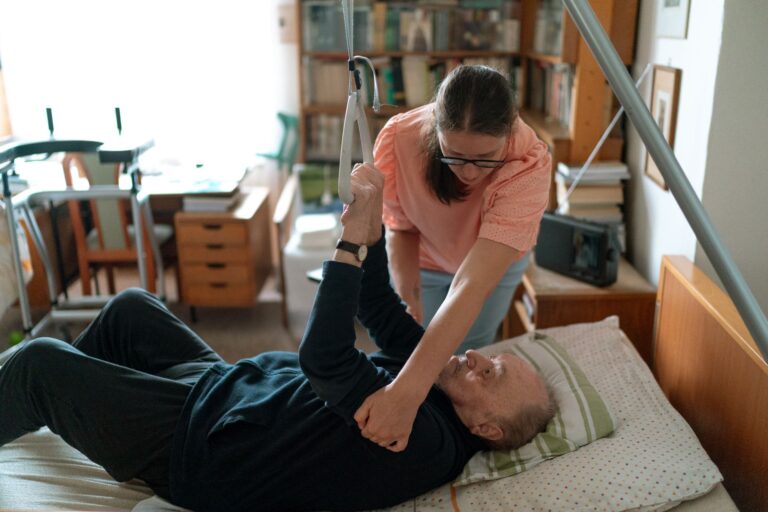
Structural damage sits at the center of this dementia and brain health question.
Pain and structural damage are often thought to be the same thing, but they actually refer to different experiences in the body. Understanding how they differ can help us better manage discomfort and know when to seek medical care.
Pain is a feeling—an unpleasant sensation that signals something might be wrong. It’s both sensory and emotional, meaning it not only alerts you physically but also affects how you feel mentally. Pain can happen because of actual injury or tissue damage, but it doesn’t always mean there is visible harm inside your body. Sometimes pain occurs even when no clear structural problem exists.
Structural damage refers to physical harm or changes in the tissues of your body—like bones, muscles, ligaments, or cartilage—that can be seen through imaging tests or felt by a doctor during an exam. This could include things like fractures, tears, inflammation, or mechanical dysfunctions in joints.
One key difference is that pain can exist without any detectable structural damage. For example, chronic pain conditions often cause ongoing discomfort even though scans show no obvious injury. In these cases, the nervous system may become overly sensitive or misinterpret signals from normal tissues as painful.
On the other hand, you might have structural damage without much pain at all initially. Some injuries don’t hurt right away because nerves aren’t immediately affected or because of individual differences in pain perception.
Another important point is that treating just the symptom of pain doesn’t always fix underlying problems if there is actual tissue damage present. Temporary relief from medications might mask symptoms while inflammation or mechanical issues continue causing trouble beneath the surface.
In summary:
– Pain is a subjective experience signaling potential harm; it involves both sensation and emotion.
– Structural damage means physical injury to body parts that may be visible on tests.
– Pain does not always equal structural damage; sometimes one exists without the other.
– Proper diagnosis helps determine whether treatment should focus on healing damaged tissues or managing nerve-related pain responses.
Recognizing this difference helps people avoid unnecessary worry when experiencing unexplained aches and encourages timely medical evaluation when real injuries occur.
For more, see National Institute on Aging.