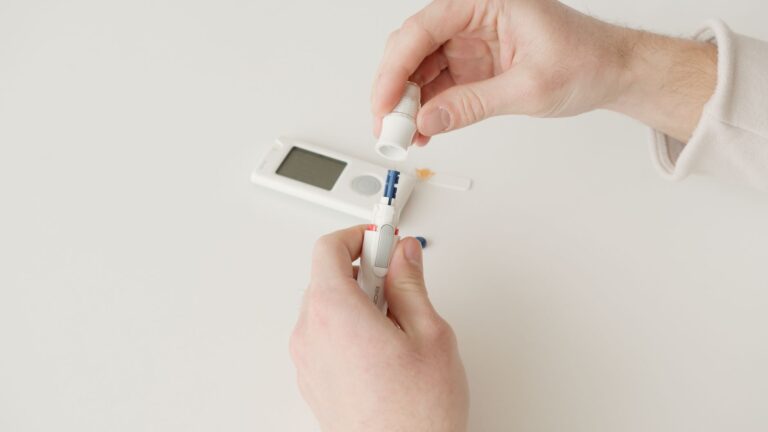
Diabetes drug sits at the center of this dementia and brain health question.
The diabetes drug linked to toe amputations is canagliflozin, sold under the brand names Invokana, Invokamet, and Invokamet XR. Manufactured by Janssen, a subsidiary of Johnson & Johnson, canagliflozin belongs to a class of medications called SGLT2 inhibitors. In May 2017, the FDA slapped its most serious warning — a Boxed Warning — on the drug after clinical trials revealed that patients taking canagliflozin faced nearly double the risk of leg and foot amputations compared to those on a placebo. Toe and midfoot amputations were the most common, though some patients lost limbs below and above the knee.
For the millions of older adults managing both type 2 diabetes and cognitive decline, this is not an abstract regulatory footnote. Diabetes already increases the risk of dementia, and the complications that come with amputation — reduced mobility, chronic pain, depression, social isolation — can accelerate cognitive deterioration in ways that are difficult to reverse. If you or someone you care for takes an SGLT2 inhibitor, understanding the real scope of this risk is essential. This article breaks down the clinical trial data behind the FDA warning, explains what happened when the agency later downgraded that warning, covers the massive litigation and settlement that followed, and offers practical guidance for caregivers navigating diabetes management alongside dementia care.
Table of Contents
- Why Did the FDA Warn That Canagliflozin Causes Toe and Foot Amputations?
- The FDA Removed Its Boxed Warning — Does That Mean Canagliflozin Is Safe Now?
- Canagliflozin Versus Other SGLT2 Inhibitors — Is the Whole Drug Class Risky?
- What Caregivers Should Do — Foot Checks, Doctor Conversations, and Medication Reviews
- The Legal Fallout — Lawsuits, Settlements, and What Patients Received
- The Dementia Connection — Why Amputation Risk Hits Harder for Cognitive Decline Patients
- Where SGLT2 Inhibitor Safety Stands Going Forward
- Conclusion
- Frequently Asked Questions
Why Did the FDA Warn That Canagliflozin Causes Toe and Foot Amputations?
The warning came out of the CANVAS program, a pair of large clinical trials involving 10,142 patients with type 2 diabetes and high cardiovascular risk. Among participants taking canagliflozin, 187 — roughly 1.8 percent — experienced lower-extremity amputations. The amputation rate was 6.30 per 1,000 patient-years with canagliflozin versus 3.37 per 1,000 patient-years with placebo, translating to a hazard ratio of 1.97. In plain terms, patients on the drug were about twice as likely to lose a toe, foot, or leg as those taking a sugar pill. Of those amputations, 71 percent were classified as minor, meaning toes or midfoot. The remaining 29 percent were major amputations below or above the knee.
An interesting wrinkle in the data: the lower 100 mg dose actually showed a higher amputation rate (7 per 1,000 patient-years) than the 300 mg dose (5 per 1,000 patient-years), which confounded expectations. Researchers have never fully explained this dose-response paradox, and it remains a source of debate in endocrinology circles. Canagliflozin works by blocking sodium-glucose cotransporter 2 in the kidneys, forcing the body to excrete excess sugar through urine. While the exact mechanism connecting SGLT2 inhibition to amputation is not fully understood, leading theories point to volume depletion, reduced blood flow to the extremities, and potential effects on bone mineral density. For patients who already have peripheral vascular disease or diabetic neuropathy — both common in elderly populations — this combination of factors may push vulnerable tissue past the point of no return.

The FDA Removed Its Boxed Warning — Does That Mean Canagliflozin Is Safe Now?
In August 2020, the FDA took the unusual step of removing the Boxed Warning from canagliflozin’s label. The agency cited newer clinical data, particularly from the CREDENCE trial, which showed a less pronounced amputation risk than the CANVAS program had revealed. However — and this is a critical distinction — a standard warning about amputation risk remains on the drug’s label to this day. The Boxed Warning was downgraded, not eliminated. This matters because a Boxed Warning is the FDA’s nuclear option, reserved for risks that are life-threatening or otherwise severe enough to warrant the most prominent possible alert.
Removing it signals that the agency believes the risk, while real, may not be as dramatic as initially feared. But for a caregiver managing an elderly parent with diabetes and early-stage dementia, “less pronounced” is not the same as “gone.” The standard warning still advises clinicians to monitor patients carefully and to think twice before prescribing SGLT2 inhibitors to anyone with risk factors for amputation. If your loved one has peripheral vascular disease, a history of foot ulcers, diabetic neuropathy, or a prior amputation, the risk calculus changes dramatically. The CANVAS data showed that patients with a prior history of amputation faced a hazard ratio of 21.31 — meaning they were roughly 21 times more likely to experience another amputation while on canagliflozin. That statistic alone should give any prescriber serious pause, regardless of what the label’s warning hierarchy looks like.
Canagliflozin Versus Other SGLT2 Inhibitors — Is the Whole Drug Class Risky?
Canagliflozin was the first SGLT2 inhibitor approved in the United States, and it has borne the brunt of amputation concerns. But it is not the only drug in its class. Empagliflozin (Jardiance), dapagliflozin (Farxiga), and ertugliflozin (Steglatro) all work through the same mechanism. A 2026 pharmacovigilance analysis of the FDA’s adverse event reporting system (FAERS) identified 3,540 reports of amputation or gangrene across all SGLT2 inhibitors. Canagliflozin accounted for 2,128 of those reports — by far the largest share. Empagliflozin followed with 1,049 reports, dapagliflozin had 361, and ertugliflozin had just 2.
These numbers require context. Canagliflozin has been on the market the longest and was prescribed most heavily during the years before the FDA warning, so its higher report count partly reflects greater exposure rather than necessarily greater per-patient risk. Still, no other SGLT2 inhibitor has ever received a Boxed Warning for amputations. some endocrinologists have argued that the risk may be specific to canagliflozin or at least more pronounced with it, though the evidence is not definitive enough to declare the other drugs in the class entirely safe on this front. For caregivers weighing options with a physician, the practical takeaway is that switching from canagliflozin to another SGLT2 inhibitor may reduce amputation risk, but it does not eliminate it. And for patients with dementia who may not reliably report early symptoms like foot numbness, tingling, or sores, the monitoring burden increases regardless of which specific SGLT2 inhibitor is prescribed.

What Caregivers Should Do — Foot Checks, Doctor Conversations, and Medication Reviews
Current clinical guidelines recommend that patients starting any SGLT2 inhibitor receive a thorough foot examination at the time of initiation and at least annually thereafter. For dementia patients, who may not notice or communicate changes in sensation, caregivers should perform visual foot inspections far more frequently — weekly is not excessive. Look for sores, blisters, discoloration, swelling, or any wound that is not healing. Peripheral neuropathy can mask pain, so a person with dementia may walk on an infected ulcer for days without complaint.
If your loved one is currently taking Invokana, Invokamet, or Invokamet XR, bring the amputation risk up directly with their prescribing physician. Ask whether the benefits of canagliflozin specifically — as opposed to another diabetes medication — justify the continued risk. SGLT2 inhibitors do offer cardiovascular and kidney-protective benefits that other diabetes drugs do not, so the conversation is not as simple as “stop the drug.” The tradeoff is real, and it depends on the individual patient’s cardiovascular risk, kidney function, and extremity health. For patients who have already experienced peripheral vascular disease or a prior amputation, guidelines advise clinicians to avoid SGLT2 inhibitors altogether. If a doctor has continued prescribing canagliflozin to someone in this category, that warrants a serious conversation — and possibly a second opinion.
The Legal Fallout — Lawsuits, Settlements, and What Patients Received
The amputation risk did not just generate a regulatory response. It triggered a wave of litigation. Over 1,000 federal lawsuits were consolidated into multidistrict litigation (In re Invokana Product Liability Litigation) in U.S. District Court in New Jersey. Plaintiffs alleged that Janssen and Johnson & Johnson knew about the amputation risk and failed to adequately warn patients and physicians. In October 2018, Janssen agreed to settle the majority of the cases.
Individual settlement amounts reportedly ranged from around $25,000 for minor injury claims to over $1 million in cases involving death. Separately, Johnson & Johnson paid $300 million in fines to the U.S. Department of Justice over allegations of illegal marketing practices related to Invokana. Settlement distributions have been ongoing through 2025 and into 2026, meaning some claimants have waited years for compensation. A limitation worth noting: the settlement does not cover every patient who took canagliflozin and experienced problems. Those who did not file claims during the litigation window may have limited options now. And for dementia patients who took the drug years ago, establishing a clear causal link between canagliflozin and a subsequent amputation can be medically and legally complex, especially if medical records are incomplete or the patient cannot provide testimony.

The Dementia Connection — Why Amputation Risk Hits Harder for Cognitive Decline Patients
Amputation in an elderly person with cognitive impairment is not just a surgical event. It is often a turning point. Research consistently shows that lower-limb amputation in older adults is associated with steep functional decline, increased rates of depression, loss of independence, and accelerated cognitive deterioration. A person with mild cognitive impairment who loses a toe may seem to face a manageable recovery.
But the cascade of reduced mobility, disrupted routines, post-surgical delirium, and prolonged hospitalization can push someone from mild impairment into moderate dementia faster than the disease alone would have. Caregivers should understand that preventing amputation in a diabetic patient with dementia is not just about saving a limb. It is about preserving the daily function, physical activity, and environmental stability that support whatever cognitive capacity remains. Every medication decision in this population carries weight beyond its primary indication.
Where SGLT2 Inhibitor Safety Stands Going Forward
The pharmacovigilance landscape for SGLT2 inhibitors continues to evolve. The 2026 FAERS analysis confirmed that amputation and gangrene reports persist across the drug class, with canagliflozin still leading by a wide margin. Regulatory agencies in multiple countries continue to monitor post-marketing safety data, and updated clinical guidelines increasingly emphasize risk stratification before prescribing these drugs — particularly in elderly and high-risk populations.
For families managing the intersection of diabetes and dementia, the path forward involves vigilance without panic. SGLT2 inhibitors remain valuable tools for blood sugar control, kidney protection, and cardiovascular risk reduction. But they are not the only tools available, and their benefits must be weighed against specific, measurable risks that hit hardest in the populations least equipped to absorb them. Stay in close communication with your loved one’s medical team, keep up with foot examinations, and do not hesitate to ask whether a different medication might offer a better risk-benefit balance.
Conclusion
Canagliflozin — sold as Invokana, Invokamet, and Invokamet XR — carries a documented risk of lower-extremity amputation that led to an FDA Boxed Warning in 2017. Though that warning was later downgraded, the risk has not disappeared. Clinical trial data showed nearly double the amputation rate compared to placebo, with the most vulnerable patients facing dramatically elevated odds. Over a thousand lawsuits resulted in settlements ranging from $25,000 to over $1 million, and Johnson & Johnson paid $300 million in federal fines.
For caregivers of people living with both diabetes and dementia, this issue demands active engagement. Regular foot inspections, honest conversations with prescribers about the risk-benefit tradeoff of SGLT2 inhibitors, and awareness of the signs of peripheral vascular compromise are not optional — they are essential components of responsible care. If anything about your loved one’s diabetes medication regimen feels uncertain, bring it up at the next appointment. The stakes are too high for silence.
Frequently Asked Questions
Is Invokana still on the market?
Yes. Canagliflozin (Invokana, Invokamet, Invokamet XR) remains available by prescription. The FDA removed the Boxed Warning in August 2020 but retained a standard warning about amputation risk on the label.
Are all SGLT2 inhibitors linked to amputations?
Amputation and gangrene reports exist for all SGLT2 inhibitors in the FDA’s adverse event database. However, canagliflozin accounts for the largest share — 2,128 out of 3,540 total reports in a 2026 analysis. No other SGLT2 inhibitor has received a Boxed Warning for this risk.
Who is at highest risk for amputation while taking canagliflozin?
Patients with a prior history of amputation face the greatest risk, with a hazard ratio of 21.31 in the CANVAS trials. Other high-risk groups include those with peripheral vascular disease, diabetic neuropathy, and foot ulcers. Clinical guidelines recommend avoiding SGLT2 inhibitors in these patients.
Can I still file a lawsuit over Invokana-related amputation?
The major multidistrict litigation has largely been settled, with distributions ongoing through 2025–2026. Whether new claims can be filed depends on state statutes of limitations and individual circumstances. Consulting a product liability attorney is the best way to assess your options.
How often should feet be checked for someone on an SGLT2 inhibitor?
Clinical guidelines recommend foot examinations at the start of SGLT2 inhibitor therapy and at least annually. For dementia patients who may not report symptoms, caregivers should inspect feet weekly and look for sores, discoloration, swelling, or wounds that are slow to heal.
You Might Also Like
- The Diabetes Drug That Also Protects Your Heart — Doctors Are Amazed
- The Diabetes Medication That Can Cause Serious Urinary Tract Infections
- The Cholesterol Drug That Depletes This Vital Nutrient From Your Body
For more, see Alzheimer’s Association — medical tests.