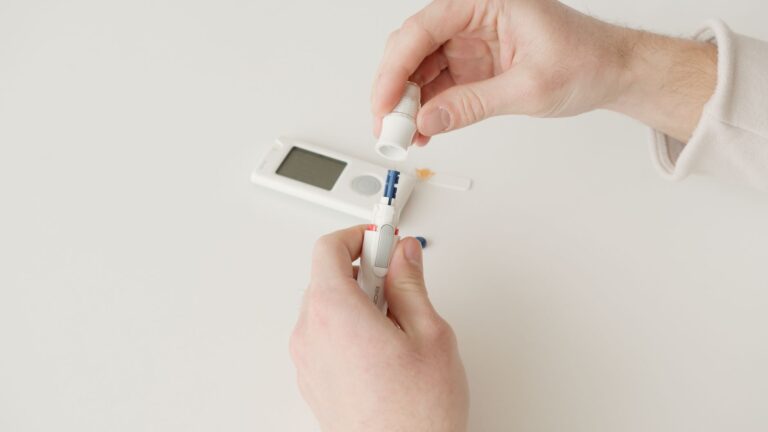
Some diabetics sits at the center of this dementia and brain health question.
Some diabetics are being switched from metformin to stronger medications because type 2 diabetes is a progressive disease, and metformin alone often stops being enough. The American Diabetes Association’s 2026 Standards of Care, published in December 2025, overhauled its medication algorithm to recommend SGLT2 inhibitors alongside metformin for the majority of people with type 2 diabetes — and for patients with cardiovascular disease, heart failure, or chronic kidney disease, newer drug classes like GLP-1 receptor agonists are now recommended regardless of A1C level. That is a significant shift from the old approach of starting everyone on metformin and waiting to see if it held. Consider a patient diagnosed with type 2 diabetes five years ago. Metformin kept their A1C at 6.8 percent for the first three years, but now it has crept up to 8.1 percent despite diet adjustments and exercise.
Their doctor is not surprised. The pancreas produces less insulin over time, and metformin — which works primarily by reducing glucose production in the liver — cannot compensate for that decline indefinitely. This article covers why the switch is happening now, what the newer medications actually do, the weight loss and organ-protective benefits driving the change, safety concerns around metformin contamination, and what patients should know before making any changes. Beyond the clinical guidelines, there are practical reasons patients are asking about alternatives: persistent gastrointestinal side effects, contamination recalls that shook confidence in extended-release metformin, and the emergence of drugs that deliver dramatically better blood sugar control while also protecting the heart and kidneys. The landscape has changed fast, and it is worth understanding what is behind it.
Table of Contents
- Why Is Metformin No Longer Enough for Some Diabetics?
- What Are the Newer Medications Replacing or Supplementing Metformin?
- The Weight Loss Factor That Changed the Conversation
- Heart and Kidney Protection — Benefits Metformin Does Not Deliver
- The Metformin Contamination Issue That Shook Patient Confidence
- When GI Side Effects Make Metformin Impractical
- What This Means for Brain Health and Dementia Risk
- Conclusion
- Frequently Asked Questions
Why Is Metformin No Longer Enough for Some Diabetics?
metformin has been the default first-line treatment for type 2 diabetes for decades, and for good reason — it is cheap, well-studied, and effective early in the disease. But type 2 diabetes does not stay still. The beta cells in the pancreas that produce insulin gradually burn out, and the insulin resistance that characterizes the disease can worsen over time. According to the American Diabetes Association, many patients need additional or stronger medications the longer they have the condition. Metformin can only do so much when the underlying biology is shifting beneath it. The 2026 ADA Standards of Care reflect this reality by moving away from a metformin-first, wait-and-see strategy.
The updated algorithm now recommends that most patients with type 2 diabetes receive an SGLT2 inhibitor alongside metformin, not as a last resort after metformin fails, but as part of the initial treatment plan. For patients who already have established atherosclerotic cardiovascular disease, heart failure, or chronic kidney disease, the guidelines go further: GLP-1 receptor agonists and SGLT2 inhibitors are recommended independent of A1C level, meaning the decision is driven by organ protection rather than blood sugar numbers alone. This does not mean metformin is obsolete. It remains a cornerstone of treatment for many patients. But the idea that everyone should ride metformin until it stops working, and only then consider something else, is outdated. The question has shifted from “Is metformin failing?” to “Could this patient benefit from more, sooner?”.

What Are the Newer Medications Replacing or Supplementing Metformin?
The two drug classes getting the most attention are GLP-1 receptor agonists and SGLT2 inhibitors. GLP-1 receptor agonists — including semaglutide (Ozempic, Wegovy) and the newer tirzepatide (Mounjaro), which is technically a dual GIP/GLP-1 receptor agonist — work by mimicking gut hormones that stimulate insulin release, slow gastric emptying, and reduce appetite. SGLT2 inhibitors like empagliflozin, canagliflozin, and dapagliflozin work differently, blocking glucose reabsorption in the kidneys so that excess sugar is excreted in urine. The clinical results from these drugs have been striking. In the SURPASS-2 trial published in the New England Journal of Medicine, tirzepatide achieved A1C reductions of 2.01 to 2.30 percent from baseline at 40 weeks, compared to 1.86 percent with semaglutide 1 mg. Up to 92 percent of tirzepatide participants hit an A1C below 7 percent, and up to 51 percent reached a near-normal A1C below 5.7 percent.
Those numbers were essentially unheard of with older oral medications. However, these drugs are not without limitations. GLP-1 receptor agonists are injectables, which some patients find uncomfortable or inconvenient. They can cause nausea, especially during dose titration. Supply shortages have been a persistent problem. And the cost is dramatically higher than generic metformin — we are talking hundreds of dollars per month versus a few dollars, though insurance coverage varies. If a patient has well-controlled diabetes on metformin alone, with no cardiovascular or kidney concerns, switching to something more expensive and injectable may not be warranted.
The Weight Loss Factor That Changed the Conversation
One of the reasons newer diabetes medications have captured so much attention — both in clinical practice and in the broader culture — is weight loss. GLP-1 receptor agonists can lower body weight by up to 15 pounds (about 7 kilograms) depending on the specific medication and dosage. For patients with type 2 diabetes, who frequently struggle with excess weight that worsens insulin resistance, this is not a cosmetic perk. It is clinically meaningful. The SURPASS-2 trial data illustrated how significant the differences can be.
Tirzepatide produced 1.9 to 5.5 kilograms more weight loss than semaglutide across its dose levels. Real-world data published in 2025 confirmed that tirzepatide patients had greater A1C and weight reductions at 12 months compared to those on injectable semaglutide, suggesting the trial results hold up outside of controlled study settings. For a dementia care audience, this matters because obesity and poorly controlled diabetes are both independent risk factors for cognitive decline. A medication that improves blood sugar control and reduces weight is addressing two threats to brain health simultaneously. Metformin is weight-neutral at best — it does not cause weight gain, but it rarely produces meaningful weight loss either. For patients carrying significant extra weight alongside their diabetes, the newer agents offer something metformin simply cannot.

Heart and Kidney Protection — Benefits Metformin Does Not Deliver
This is perhaps the most important reason behind the guideline shift, and the one that gets the least public attention. SGLT2 inhibitors have proven beneficial effects on slowing chronic kidney disease progression and improving cardiovascular outcomes in dedicated clinical trials. GLP-1 receptor agonists have demonstrated cardiovascular protective benefits in their own outcomes trials. Metformin, despite its long history, has never shown comparable organ-protective effects in modern large-scale trials. The practical tradeoff is straightforward. A patient with type 2 diabetes and early-stage kidney disease faces a choice: stay on metformin and manage blood sugar adequately, or add or switch to an SGLT2 inhibitor that manages blood sugar and actively slows kidney damage.
The 2026 ADA guidelines make the recommendation explicit — for patients with CKD, heart failure, or established cardiovascular disease, these newer agents are preferred regardless of where the A1C sits. The catch is that SGLT2 inhibitors carry their own risks. They increase the likelihood of urinary tract infections and genital yeast infections because of the mechanism that dumps glucose into urine. Rare but serious side effects include diabetic ketoacidosis, even in patients with type 2 diabetes. Canagliflozin was associated with an increased risk of toe and foot amputations in one major trial, though this has not been consistently replicated with other drugs in the class. Patients and doctors have to weigh these risks against the kidney and heart benefits, which for many patients will be substantial.
The Metformin Contamination Issue That Shook Patient Confidence
Between 2020 and 2022, the FDA asked five manufacturers — Apotex, Actavis, Amneal, Lupin, and Marksans — to recall extended-release metformin products after testing found levels of NDMA, a probable carcinogen, above acceptable limits. Immediate-release metformin was not affected, and the contamination was a manufacturing issue rather than an inherent problem with the drug itself. But the damage to patient trust was real. Some patients used the recalls as a reason to ask their doctors about alternatives, and in some cases that conversation led to genuinely better treatment options. But the FDA was clear that patients should not stop metformin abruptly without medical guidance, because uncontrolled blood sugar poses its own serious and immediate health risks.
The recalls were a legitimate safety concern, but they should be understood in context — contamination of a specific formulation is different from the drug being inherently dangerous. Patients still taking extended-release metformin from non-recalled manufacturers or immediate-release versions have no reason to panic on this basis alone. The episode does illustrate a broader point, though. When patients lose confidence in a medication, it creates an opening for conversations about whether the treatment plan is still optimal. For some patients, the answer turned out to be no — not because of NDMA, but because their disease had progressed and better options were available.

When GI Side Effects Make Metformin Impractical
Metformin’s most common side effects — diarrhea, nausea, stomach cramps, and bloating — are well documented and affect a meaningful percentage of patients. For some, the extended-release formulation reduces these symptoms. For others, the gastrointestinal distress is persistent enough that they stop taking the medication or take it inconsistently, which defeats the purpose entirely.
A patient who takes metformin sporadically because of stomach pain is getting worse blood sugar control than a patient consistently taking an alternative they can tolerate. Newer drug classes may be better tolerated for these individuals, though GLP-1 receptor agonists carry their own nausea risk, particularly during the initial weeks. SGLT2 inhibitors, by contrast, tend to have a milder GI side-effect profile and may be a better fit for patients who struggled specifically with metformin-related gut issues.
What This Means for Brain Health and Dementia Risk
Poorly controlled type 2 diabetes accelerates cognitive decline. Chronically elevated blood sugar damages blood vessels in the brain, promotes inflammation, and is associated with increased risk of both vascular dementia and Alzheimer’s disease. Any treatment strategy that achieves tighter glycemic control, reduces weight, and protects cardiovascular and kidney function is, indirectly, a brain health strategy as well.
The shift toward more aggressive early treatment with newer diabetes medications is not just about blood sugar numbers on a lab report. It is about reducing the cumulative damage that uncontrolled diabetes inflicts on every organ system, including the brain. For caregivers and families navigating dementia risk, understanding that a loved one’s diabetes treatment plan may need to evolve — and that newer options exist — is worth paying attention to. The conversation with an endocrinologist about whether metformin alone is still sufficient is one worth having, particularly for patients who also carry cognitive risk factors.
Conclusion
The era of metformin as the unchallenged default for type 2 diabetes is ending — not because metformin is bad, but because the science has moved on. The 2026 ADA guidelines now emphasize earlier use of SGLT2 inhibitors and GLP-1 receptor agonists, drugs that match or exceed metformin’s blood sugar control while adding weight loss, cardiovascular protection, and kidney benefits that metformin cannot provide. For patients whose diabetes has progressed, who cannot tolerate metformin’s side effects, or who have heart or kidney complications, the case for switching or adding a newer agent is strong.
No one should change their diabetes medication without talking to their doctor. The right treatment depends on individual factors — A1C level, kidney function, cardiovascular history, weight, cost, insurance coverage, and personal tolerance for injections versus pills. But if your current regimen is not keeping blood sugar in a healthy range, or if you have developed heart or kidney complications since starting metformin, ask whether the treatment plan still fits. The options available today are meaningfully better than what existed even five years ago, and staying on an outdated plan out of inertia is a risk in itself.
Frequently Asked Questions
Is metformin being recalled or discontinued?
No. Metformin remains widely available and widely prescribed. Specific extended-release formulations from five manufacturers were recalled between 2020 and 2022 due to NDMA contamination, but immediate-release metformin and non-recalled extended-release products are still safe and on the market. Metformin is not going away.
Can I just stop taking metformin on my own?
No. The FDA specifically advised patients not to stop metformin abruptly without a doctor’s guidance. Uncontrolled blood sugar is dangerous and can lead to serious complications quickly. Any medication change should be managed by your prescribing physician.
Are GLP-1 medications like Mounjaro and Ozempic covered by insurance?
Coverage varies significantly by plan. Many insurers cover GLP-1 receptor agonists for type 2 diabetes, but prior authorization is often required, and copays can be high. Some patients face out-of-pocket costs of several hundred dollars per month. Your doctor’s office can usually help navigate the insurance process.
Do newer diabetes drugs also reduce dementia risk?
There is growing research interest in this question, but no diabetes medication is currently approved for dementia prevention. However, better blood sugar control, weight reduction, and cardiovascular protection are all associated with lower cognitive decline risk. The indirect benefits are plausible but not yet proven in dedicated dementia-prevention trials.
What if my A1C is well controlled on metformin — should I still switch?
Not necessarily. The 2026 ADA guidelines recommend adding SGLT2 inhibitors or GLP-1 receptor agonists primarily for patients with cardiovascular disease, heart failure, or chronic kidney disease, regardless of A1C. For patients without these conditions whose A1C is at target, metformin alone may still be appropriate. This is a conversation to have with your endocrinologist based on your full health picture.
You Might Also Like
- Your Statin Dose May Be Too High — Here Are the Warning Signs
- Why Some People Absolutely Cannot Tolerate Statins — And What Doctors Say Instead
- This Prescription Painkiller Is 10 Times Stronger Than Morphine — And Legal
For more, see Alzheimer’s Association — caregiving.