Reviewed by the Help Dementia Editorial Team — our editors review every article for accuracy against guidance from the National Institute on Aging, the Alzheimer’s Association, and peer-reviewed sources.
Brain fitness sits at the center of this dementia and brain health question.
Senior centers across the country are increasingly offering free or low-cost brain fitness programs to their members, recognizing that cognitive health is just as important as physical wellness in aging well. While there isn’t a single facility with that exact name making national headlines, the trend is real: from the Ann Arbor Senior Center to Commonpoint Central Queens, senior centers and community organizations are launching dedicated cognitive fitness programs at no additional cost to members.
These programs use games, exercises, meditation, and cognitive training to help older adults maintain mental sharpness and potentially reduce their risk of cognitive decline. This article explores the rise of free brain fitness programs in senior centers, how they work, who benefits most, and what you need to know if you’re considering joining one. We’ll look at real examples of these programs, discuss the science behind cognitive fitness, and help you understand what to expect if your local senior center offers similar services.
Table of Contents
- What Are Free Brain Fitness Programs at Senior Centers?
- How Do These Programs Work and What Can You Expect?
- Real Examples of Brain Fitness Programs in Senior Centers
- Who Should Consider Joining a Brain Fitness Program?
- Limitations and Important Considerations
- The Broader Movement Toward Accessible Cognitive Fitness
- How to Find and Get Started With a Brain Fitness Program
- Conclusion
What Are Free Brain Fitness Programs at Senior Centers?
Brain fitness programs at senior centers are structured activities designed to exercise the mind through games, puzzles, cognitive exercises, and other mentally stimulating activities. Unlike dedicated commercial brain fitness centers (such as Marbles Brain Body Fitness, which opened in Fishers, Indiana in April 2025 and charges membership fees), these programs at senior centers are included in your membership at no extra cost. The Ann Arbor Senior Center, for example, offers free brain fitness exercises specifically designed to keep brains sharp and agile as part of their regular programming. These programs vary in scope and structure depending on the facility. Commonpoint Central Queens operates a program called BRAINWORKS that combines games, exercises, trivia, and meditation to target different aspects of cognitive function.
Other senior centers, like Glencove Senior Center, integrate brain fitness activities into their event calendars, offering programs like toy crossword sessions alongside other recreational offerings. The key advantage is accessibility—you don’t need a separate membership or additional payment to participate. The difference between free senior center programs and commercial brain fitness centers is significant. A commercial center like Marbles specializes exclusively in cognitive workouts using dual-tasking exercises and requires a membership fee. A senior center program offers brain fitness as one of many services included in your membership, making it a more cost-effective option for older adults on fixed incomes.

How Do These Programs Work and What Can You Expect?
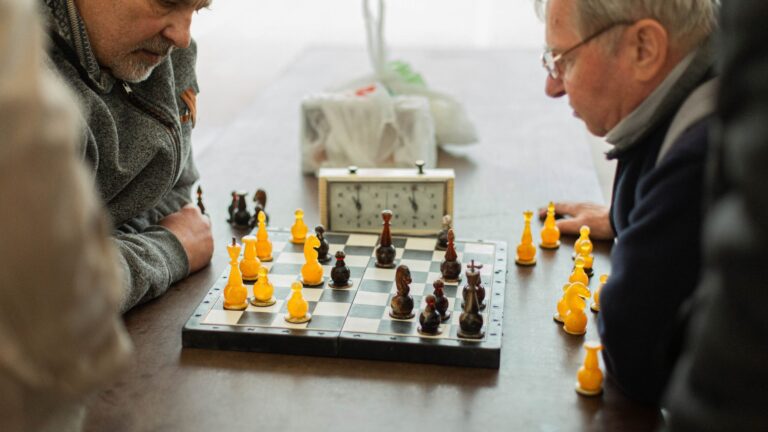
brain fitness programs at senior centers typically involve small group activities led by instructors or facilitators. You might spend an hour working through crossword puzzles, playing strategy games, completing memory exercises, or participating in trivia competitions. Some programs incorporate meditation or mindfulness components to reduce stress, which research suggests can support cognitive function. The activities are designed to be challenging enough to stimulate different areas of your brain—working memory, attention, processing speed, and problem-solving—without being so difficult that they become frustrating. One important limitation to understand: while these programs are excellent for mental engagement and social connection, they’re not personalized cognitive rehabilitation.
If you have a diagnosed memory disorder or are concerned about cognitive decline, your doctor may recommend a specialized program or evaluation rather than a general brain fitness activity. However, if you’re a healthy older adult looking to maintain your current cognitive function and stay mentally active, these free programs offer real value. The social component is equally important—many participants report that the structured activity and peer interaction are as beneficial as the cognitive exercises themselves. The time commitment is flexible. Most senior centers offer these programs on specific days or times each week, and you can usually attend as frequently as you want. This differs from commercial programs that may require multi-week commitments or daily attendance.
Real Examples of Brain Fitness Programs in Senior Centers
The Ann Arbor Senior Center has made brain fitness a core part of its mission, offering free brain fitness exercises that are specifically designed for the aging population they serve. Participants appreciate that the exercises are graded in difficulty and can be adapted to different ability levels. Similarly, Commonpoint Central Queens’ BRAINWORKS program has built a reputation for combining multiple cognitive approaches—the variety keeps participants engaged and ensures different types of mental skills are being exercised each session.
Glencove Senior Center integrates brain fitness into its broader calendar of events, showing how even smaller senior centers can incorporate cognitive fitness without needing a dedicated space or staff member. This approach works well for centers with limited budgets, as it allows them to offer brain fitness without a major capital investment. These programs often exist because senior center directors recognize that cognitive health is a major concern for their members and that free, accessible programs help ensure that economic barriers don’t prevent people from participating.

Who Should Consider Joining a Brain Fitness Program?
Brain fitness programs at senior centers are ideal for older adults who want to stay mentally sharp, enjoy social engagement, and prefer a no-cost or low-cost option. If you’re already a member of a senior center and are wondering whether brain fitness activities are worth attending, the answer is usually yes—there’s no downside to adding a cognitive activity to your weekly routine if you enjoy it. The programs work best for people who enjoy games, puzzles, and intellectual challenges and who have the ability to attend regular sessions.
However, there are situations where you might need something different. If you’re experiencing memory loss or cognitive changes that concern you, talk to your doctor before relying on recreational brain fitness activities; you may need a formal cognitive evaluation or specialized program. If you don’t have easy transportation to a senior center, look for online brain fitness options (though these often have costs). If you prefer one-on-one coaching or personalized cognitive training, a commercial brain fitness center or a specialized neuropsychology practice might be a better fit—though these come with membership fees that senior center programs don’t.
Limitations and Important Considerations
While free brain fitness programs are valuable, it’s important to understand their limitations. These programs are not substitutes for medical care or formal cognitive rehabilitation. The research on whether recreational brain training actually prevents cognitive decline is mixed—while mental engagement is beneficial for overall brain health, the specific type of brain training doesn’t necessarily prevent dementia or serious cognitive disease. What these programs definitely do accomplish is keep you mentally engaged, provide social connection, and offer a structured activity that most people find enjoyable.
Another consideration is that quality can vary. Some senior centers have staff members specifically trained in cognitive science or fitness instruction; others may simply have volunteers running activities. The more structured and skill-based the program, the more likely you’ll benefit cognitively. If a program feels too casual or poorly organized, that’s worth noting—though even a loosely run brain fitness activity is probably better than no activity at all.

The Broader Movement Toward Accessible Cognitive Fitness
The rise of free brain fitness programs in senior centers reflects a growing recognition that cognitive health shouldn’t be limited to those who can afford specialty programs. In contrast, commercial brain fitness centers like Marbles, which opened in Fishers, Indiana in April 2025, serve a market of older adults willing to pay for specialized services. Both models have their place.
Senior center programs democratize access to brain fitness, while specialized centers offer more intensive or personalized approaches. This trend also reflects changing attitudes about aging. Rather than viewing older adults as passive members of the community, senior centers are positioning cognitive fitness as an essential component of healthy aging alongside physical fitness and social engagement. The programs signal that older adults deserve evidence-based mental health support, not just entertainment.
How to Find and Get Started With a Brain Fitness Program
Start by contacting your local senior center directly—call, visit their website, or stop by in person to ask about brain fitness programs, cognitive exercise activities, or anything similar. Use the examples in this article as conversation starters if you’re not sure what to look for. If your senior center doesn’t currently offer a program, consider asking whether they might add one; many directors are responsive to member requests.
If you’re not yet a member of a senior center, now is a good time to consider joining. Most offer memberships at low cost (often free for residents of their community), and membership typically grants access to all programming, including any brain fitness activities. As brain health becomes an increasingly important part of aging well, expect more senior centers to develop these programs in the coming years.
Conclusion
Free brain fitness programs at senior centers represent an accessible, low-pressure way to stay mentally engaged as you age. Whether you’re at the Ann Arbor Senior Center, Commonpoint Central Queens, Glencove Senior Center, or another facility, these programs offer structured cognitive activity, social connection, and professional guidance—all at no additional cost. They’re not a substitute for medical care if you have cognitive concerns, but they’re an excellent addition to a healthy aging routine.
If cognitive health is important to you—and it should be—your local senior center may already have exactly what you’re looking for. Check what’s available in your community, attend a session or two, and see if it’s a good fit. The only real barrier is showing up.
You Might Also Like
- The Brain Healthy Recipe Subscription Box That Costs $40 Per Week and Delivers All Ingredients
- The Brain Training Game That Was Designed by the Same Researchers Behind the $2.8 Million NIH Trial
- The Brain Health Dashboard That Combines Blood Work Sleep and Activity Data Into One Score
For more, see Alzheimer’s Association — clinical trials.